Spider Anatomy: Parts of a Spider and What They Do
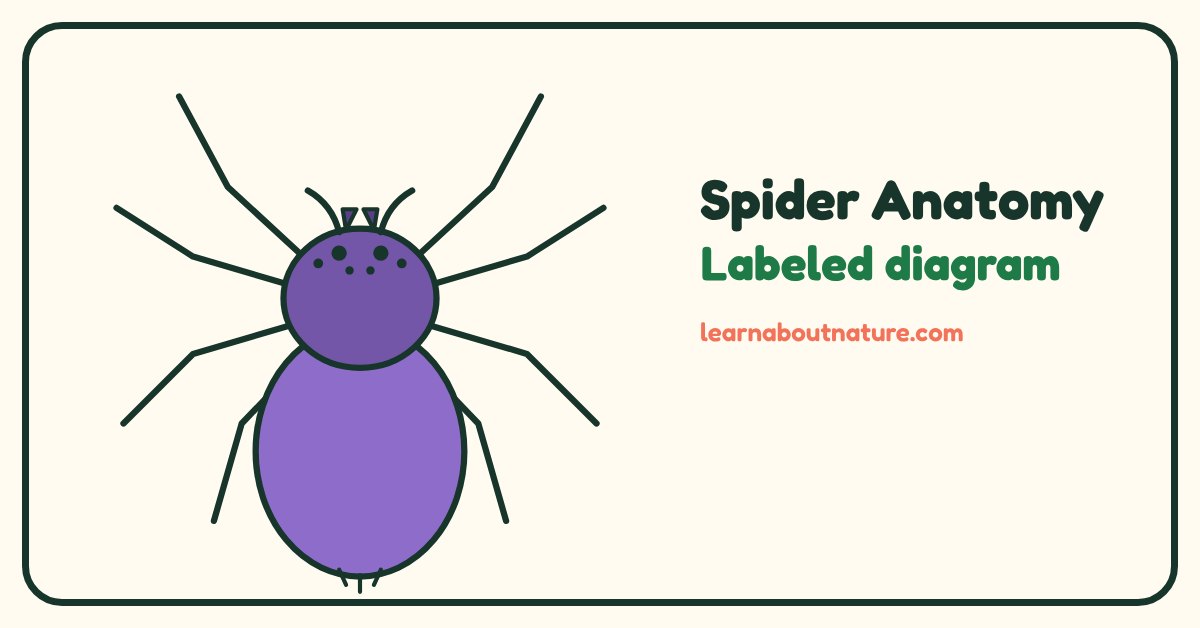
Quick answer: A spider’s body has two main parts: the cephalothorax at the front, which carries the eyes, fanged jaws (chelicerae), two pedipalps and eight legs, and the abdomen at the back, which holds the heart, lungs and silk glands and ends in spinnerets. A thin waist called the pedicel joins the two.
Spiders are expert hunters and builders. They catch prey with venom and silk, and many spin webs that are strong for their weight. Each of these skills depends on a body that is very different from an insect’s.
There are more than 50,000 known species of spider, from tiny money spiders to big tarantulas. The basic parts are the same in nearly all of them, so once you learn them you can recognize a spider anywhere.
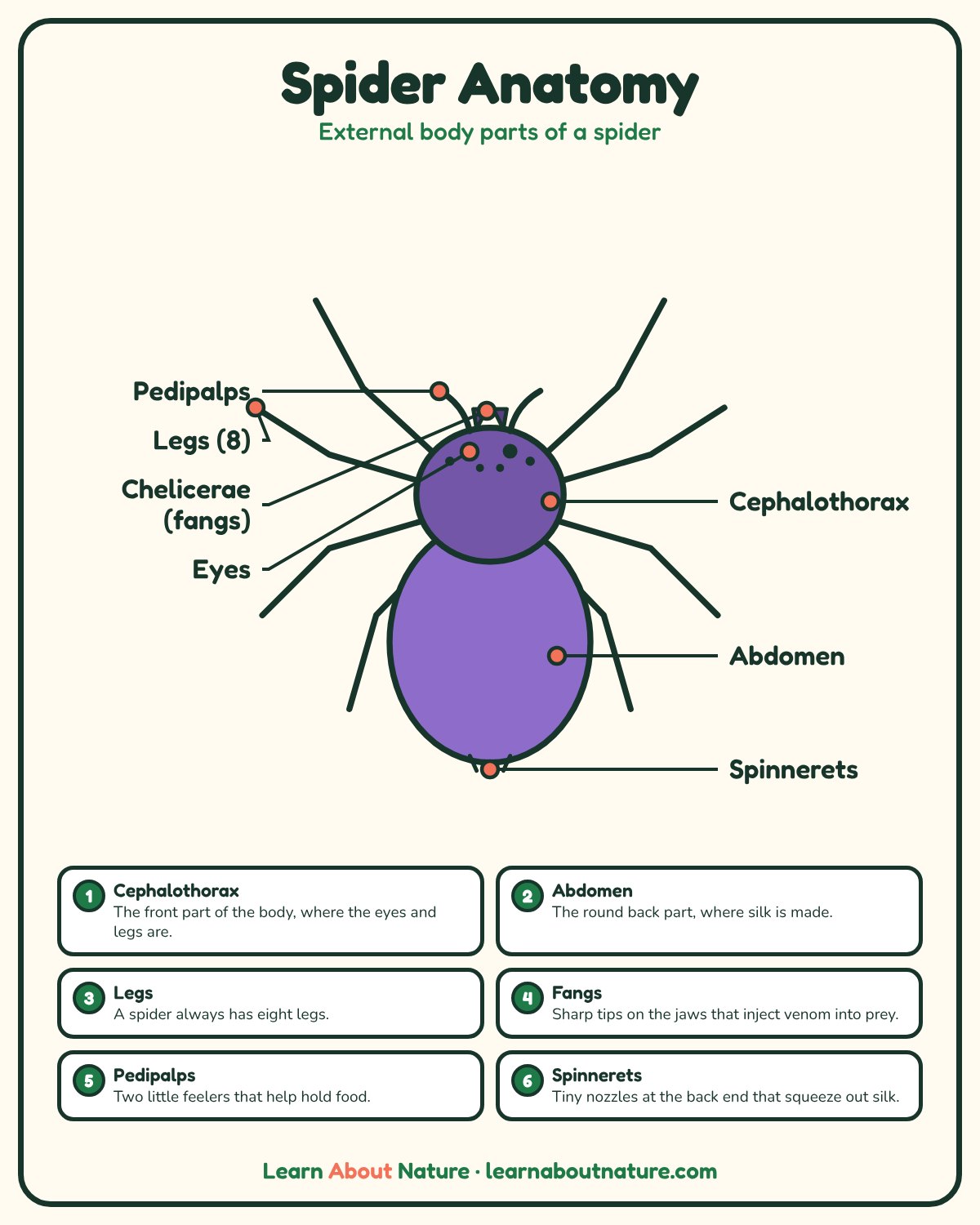
Teachers and students: you’re welcome to use this diagram in lessons and projects with credit to Learn About Nature.
Free printable: Download the Spider Anatomy labeling worksheet (PDF) – label the parts using the word bank. Answer key included.
Parts of a Spider and What They Do
| Part | What it does |
|---|---|
| Cephalothorax | Front section; holds the brain, eyes, jaws and leg muscles |
| Carapace | Hard shield on top of the cephalothorax |
| Abdomen | Rear section; holds the heart, lungs, gut and silk glands |
| Pedicel | Narrow waist joining the two body sections |
| Eyes | Usually eight simple eyes that sense light and movement |
| Chelicerae and fangs | Jaws that bite prey and inject venom |
| Pedipalps | Feelers for touching, tasting and holding food; used in mating by males |
| Legs (8) | Walk, climb, sense vibrations and handle silk |
| Spinnerets | Pull silk out of the body |
| Book lungs | Leaf-like plates where the spider takes in oxygen |
| Silk glands | Make the liquid protein that becomes silk |
The Spider Body Plan
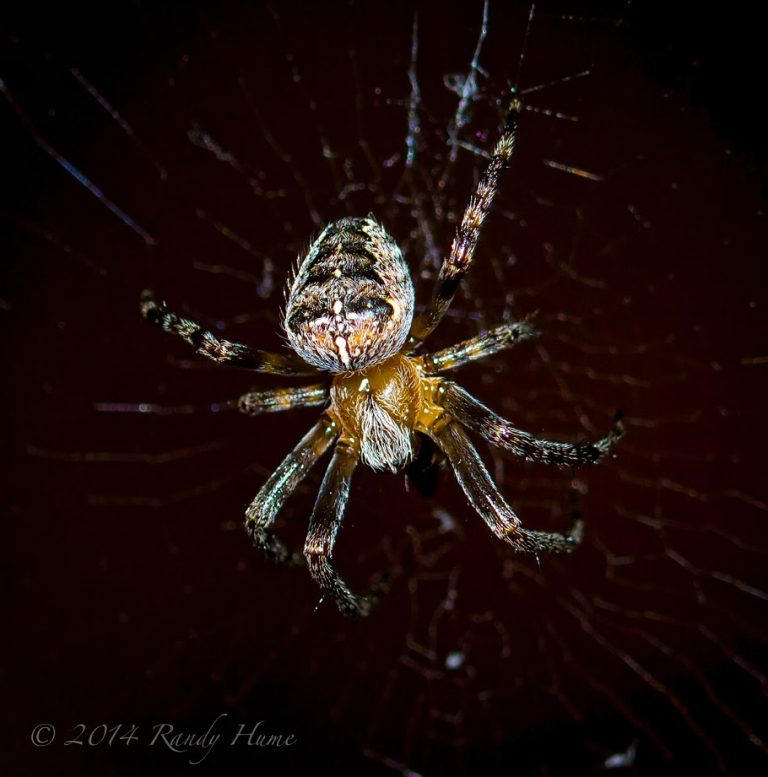
A spider’s body is split into two sections. The front part is the cephalothorax, a word that means head and chest joined together. The back part is the abdomen. The two are linked by a narrow waist called the pedicel, which lets the abdomen swing while the spider spins silk.
Like insects, spiders have a hard outer shell called an exoskeleton. On top of the cephalothorax is a hard shield called the carapace. Spiders molt their exoskeleton as they grow, and large spiders such as tarantulas keep molting throughout their lives.
The Front End: Eyes, Fangs and Pedipalps
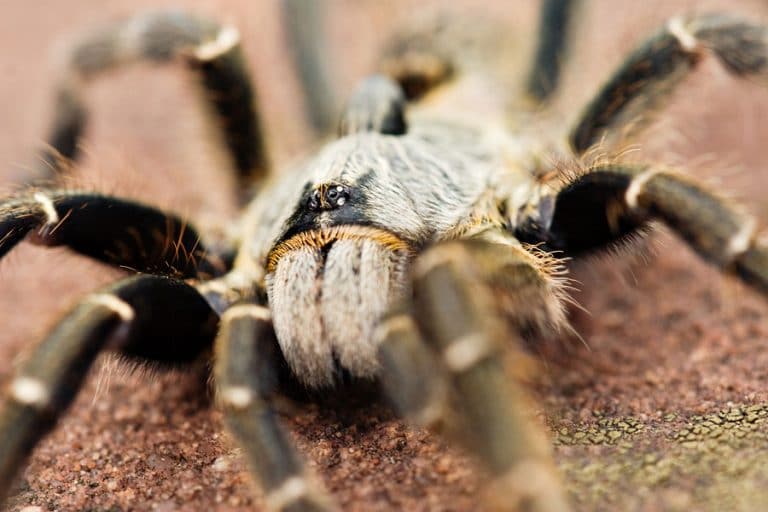
- Eyes: most spiders have eight simple eyes, though some have six, and a few cave spiders have none. They usually sit in two rows at the front of the carapace.
- Chelicerae: a pair of jaws at the front, each ending in a hollow fang. Venom flows through the fang into prey.
- Pedipalps: two short, leg-like feelers beside the jaws. Spiders use them to touch, taste and hold food. In adult males the tips are swollen like little boxing gloves and are used in mating, which helps people tell males from females.
Eight Legs
All eight legs are attached to the cephalothorax. Each leg has seven segments and ends in two or three tiny claws. Spiders that hunt on the ground often have two claws plus dense tufts of hair that help them grip smooth surfaces. Web builders usually have three claws, and the middle one helps them handle silk lines.
Spiders have muscles that bend their legs inward, but some joints have no muscles to straighten them. Instead, the spider pushes blood into the legs to extend them, a bit like a water-filled balloon. That is why a dead spider’s legs curl up underneath it.
The Abdomen and Spinnerets
The soft abdomen holds many of the spider’s vital organs. At its rear tip are the spinnerets, small movable nozzles that pull out silk. Most spiders have four or six spinnerets.
Silk starts as a liquid protein made in silk glands inside the abdomen. It turns into a solid thread as it is pulled out. Spiders use different silks for different jobs: building webs, wrapping prey, lining burrows, making egg sacs and, in some young spiders, floating through the air on long strands.
Internal Anatomy: Inside a Spider
Spiders breathe in two ways. Most have book lungs, stacks of thin, leaf-like plates on the underside of the abdomen, where air and blood swap gases. Tarantulas and their relatives have two pairs of book lungs. Most other spiders have one pair of book lungs plus a set of breathing tubes called tracheae.
Spider blood, called hemolymph, is pumped by a long heart along the top of the abdomen. It flows loosely around the organs rather than through closed vessels. It uses a copper-based molecule to carry oxygen, which gives it a pale blue tint when exposed to air.
Spiders cannot chew solid food. They pump digestive juices onto or into their prey, then suck up the liquid with a muscular sucking stomach in the cephalothorax. The brain and main nerve center are also in the cephalothorax.
Spider Senses
For most spiders, touch and vibration matter more than sight. Their legs are covered in fine hairs that feel the slightest air movement, and they have tiny slit-shaped organs in the exoskeleton that sense vibrations and strain. A web spider can tell from the twitch of a thread whether it has caught a fly or a leaf.
Some spiders are exceptions. Jumping spiders have very large front eyes and sharp vision, which they use to stalk and leap on prey.
Spiders vs Insects
Spiders are arachnids, the same group as scorpions, ticks and mites. Insects are a separate group. Here is how to tell them apart:
- Body parts: spiders have two; insects have three.
- Legs: spiders have eight; insects have six.
- Antennae: spiders have none; insects have one pair.
- Wings: spiders never have wings; most adult insects do.
- Eyes: spiders have simple eyes; most insects have compound eyes.
Fun Facts About Spider Bodies
- Nearly all spiders have venom, but only a small number have venom strong enough to harm people. It is best to watch spiders without touching them.
- Many tarantulas from the Americas can flick tiny barbed hairs off their abdomen to defend themselves.
- Spiders can regrow a lost leg over their next few molts if they are still growing.
- Some spiders can stay alive without food for weeks or even months.
Spider Anatomy for Kids
- Cephalothorax: the front part of the body, where the eyes and legs are.
- Abdomen: the round back part, where silk is made.
- Legs: a spider always has eight legs.
- Fangs: sharp tips on the jaws that inject venom into prey.
- Pedipalps: two little feelers that help hold food.
- Spinnerets: tiny nozzles at the back end that squeeze out silk.
- Eyes: most spiders have eight small eyes.
Key words: arachnid – an animal with eight legs and two body parts, like a spider or scorpion; cephalothorax – the joined head and chest of a spider; chelicerae – a spider’s jaws, which end in fangs; pedipalps – short, leg-like feelers at the front of a spider; spinnerets – small nozzles at the back of a spider that make silk; book lungs – breathing organs made of thin stacked plates, like pages in a book.
Try this: Go on a web hunt in a garden or schoolyard and sketch three webs you find. Without touching the spider, count how many body parts and legs you can see.
Related Guides
- Spider life cycle
- Ant Anatomy
- Butterfly Anatomy
- Bee Anatomy
- Grasshopper life cycle
- Cockroach life cycle
- All animal & plant anatomy diagrams
- Animal & plant life cycles
Spider Anatomy FAQs
What are the two main body parts of a spider?
A spider has a cephalothorax at the front and an abdomen at the back. The cephalothorax carries the eyes, jaws, pedipalps and all eight legs. The abdomen holds the heart, lungs, gut and silk glands. A thin waist called the pedicel connects them.
How many eyes do spiders have?
Most spiders have eight eyes, usually arranged in two rows on the front of the head. Some families have six eyes, a few have fewer, and some cave-dwelling spiders have no eyes at all. The pattern of the eyes helps scientists identify spider families.
Where does spider silk come from?
Silk is made as a liquid protein in glands inside the spider’s abdomen. It is pulled out through spinnerets at the rear tip of the abdomen and hardens into a thread as it is drawn out. Spiders make several kinds of silk for webs, egg sacs and wrapping prey.
Do spiders have bones?
No. Spiders have no bones. Their body is supported by a hard outer shell called an exoskeleton. Because it cannot grow, a spider must shed it and form a new, larger one several times as it grows.
How do spiders breathe?
Spiders breathe through book lungs, which are stacks of thin plates on the underside of the abdomen, and in many species also through small breathing tubes called tracheae. Air enters through slits in the abdomen, and oxygen passes into the spider’s blood.
Sources: Spider Structure – Australian Museum; Spider Anatomy (activity sheet) – Virginia Tech Department of Entomology; Number of spider species creeps up to 50,000 – Phys.org; World Spider Catalog – Natural History Museum Bern

Nato is a content writer and researcher with a background in psychology who’s eager to explore the wonders of nature. As a travel enthusiast and animal lover, she hopes to inspire others to discover and cherish the beauty and importance of the natural world. She also writes about the history of candy and snacks for Snack History and about food and healthy eating for The Fitchen.