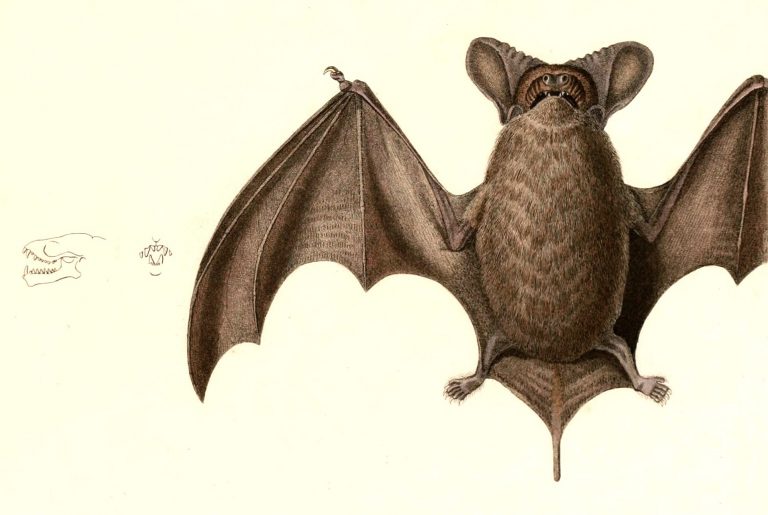
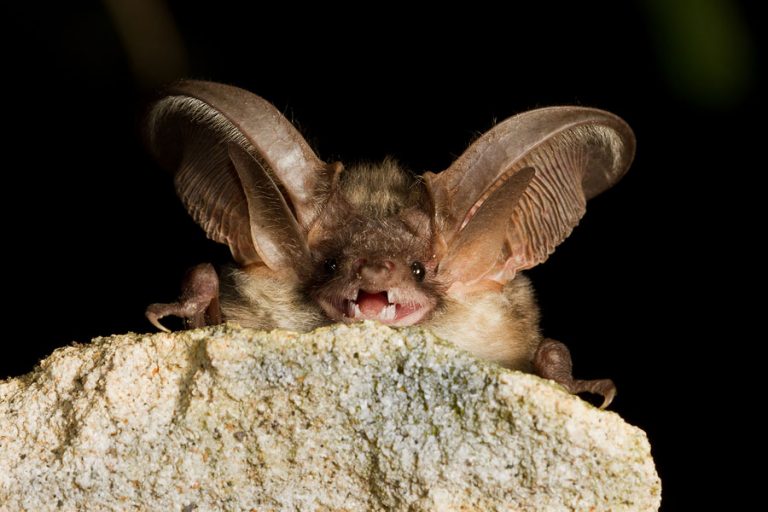
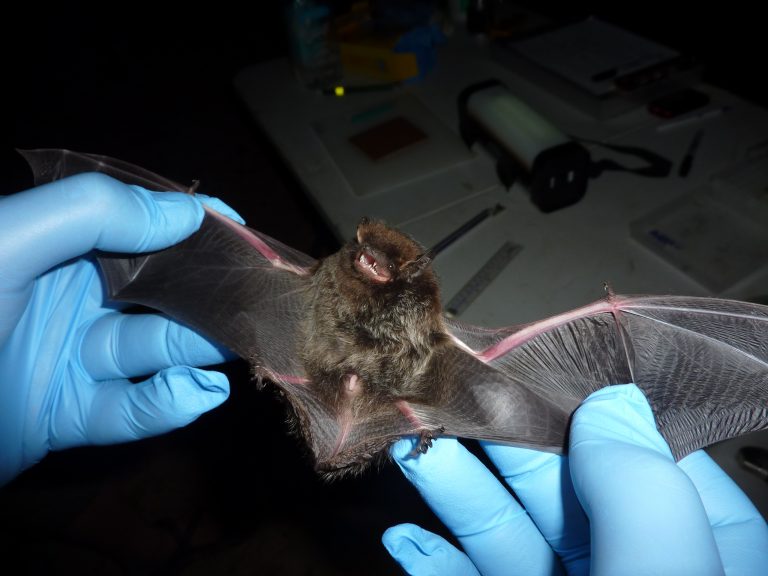
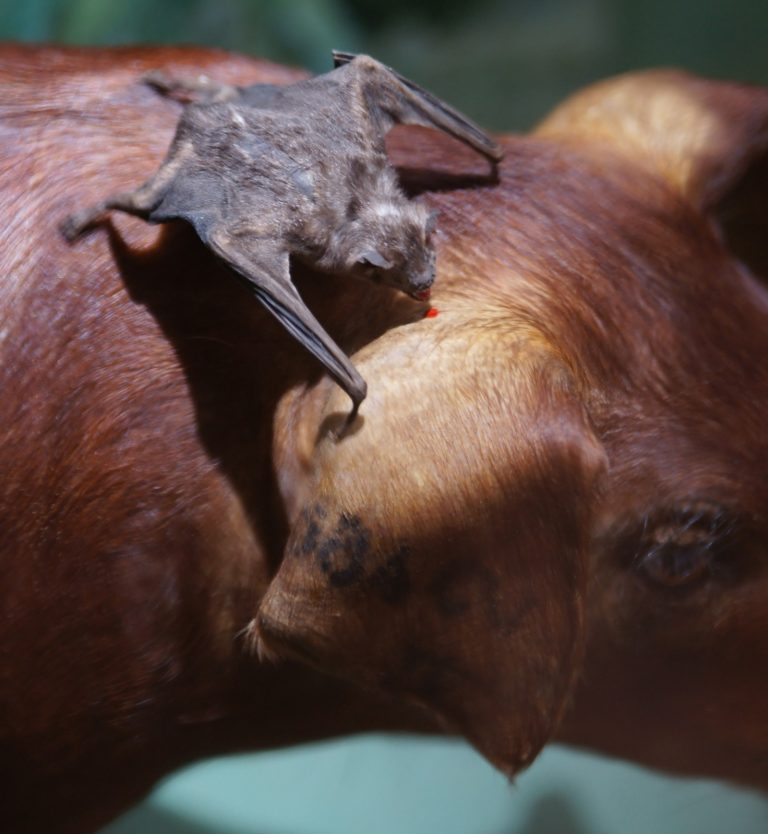
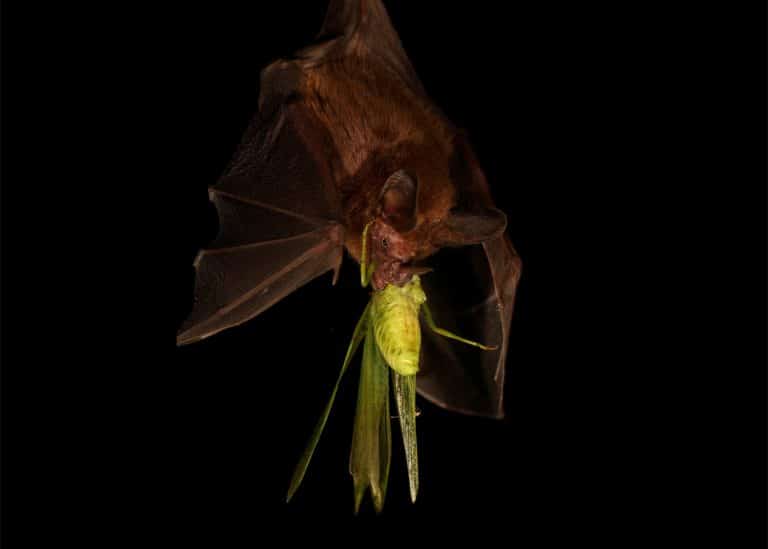
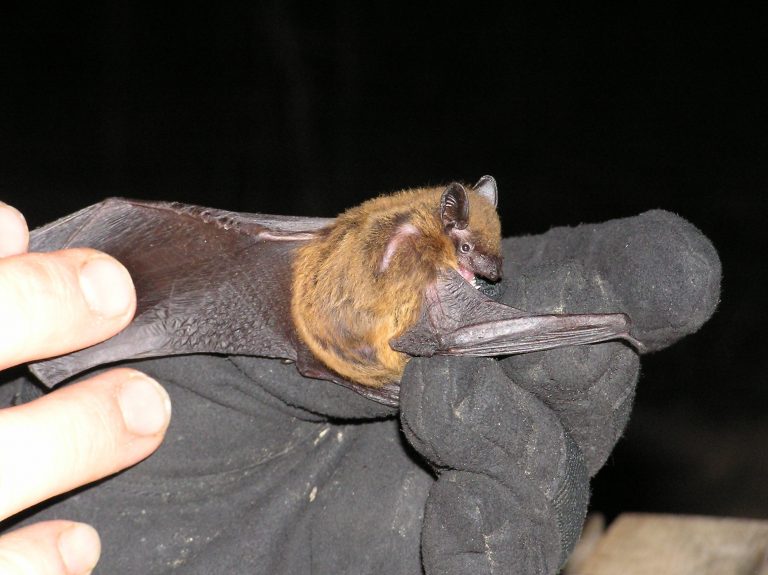
Bat Life Cycle: Stages from Newborn Pup to Adult (With Diagram)

Quick answer: The bat life cycle has four stages: birth, pup, juvenile and adult. Bats are mammals, so mothers give birth to live pups, usually one a year, and nurse them with milk. Pups of many small bats fly within about a month, and some live more than 20 years.
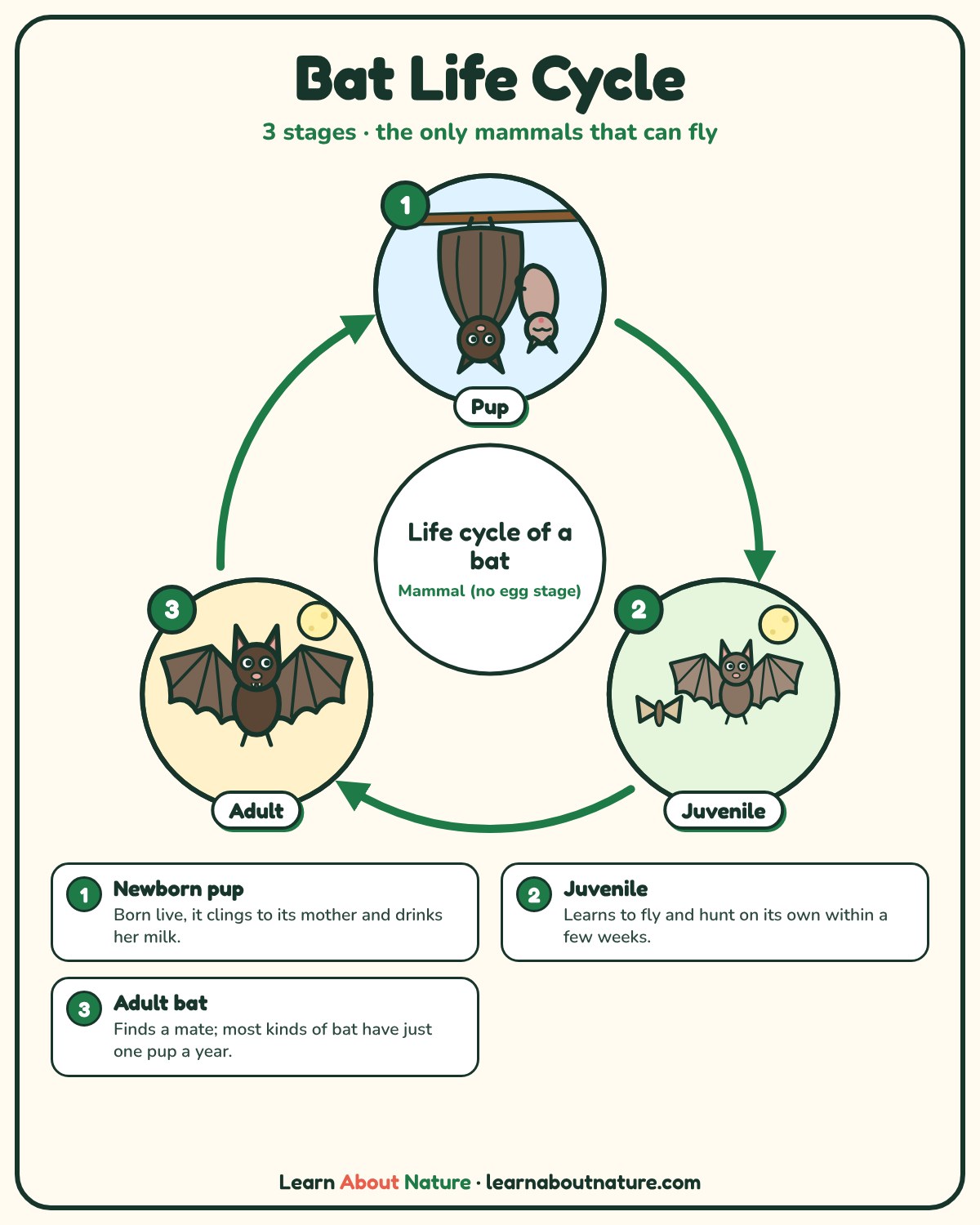
The bat life cycle has four stages: birth, pup (nursing baby), juvenile and adult. Bats are mammals, so they do not lay eggs. A mother bat gives birth to a live baby called a pup, feeds it milk, and looks after it until it can fly and find food on its own.
Bat Life Cycle Quick Facts
| Common name | Bat |
| Scientific name | Chiroptera |
| Kingdom | Animalia |
| Phylum | Chordata |
| Class | Mammalia |
| Life cycle stages | Birth, pup, juvenile, adult |
| Type of development | Born live and fed on milk |
| Time to flying | About 3–4 weeks in many small bats; longer in fruit bats |
| Time to adulthood | Often 1–2 years, depending on species |
| Lifespan | Often 5–20 years; a few small bats over 30 years |
| Number of young | Usually one pup a year |
There are more than 1,400 kinds of bats, from the tiny bumblebee bat to big fruit bats with wings wider than your outstretched arms. Their life cycles differ in timing, but most bats share some surprising habits: they usually have just one pup a year, many raise their young in crowded nurseries, and they live much longer than other mammals their size.
Mating and Pregnancy
In many bats that live in places with cold winters, such as the little brown bat, mating happens in late summer or fall. The female does not become pregnant right away. Instead, she stores the male’s sperm in her body through the winter, and the baby only starts to develop in spring when she wakes from hibernation. This clever delay means pups are born in early summer, when there are lots of insects to eat.
How long a bat is pregnant depends on the species. In many small insect-eating bats it is roughly two months, while vampire bats are pregnant for about seven months.
Stage 1: Birth
Most bats give birth while hanging from the roof of their roost. Many mothers flip so their head is up, and the pup is caught in the skin between the mother’s back legs and tail, so it does not fall. Pups are large for a newborn: in many small bats a pup weighs roughly a quarter of its mother’s weight, which would be like a human mother having a baby the size of a small child.
Most bat species have just one pup a year. A few have more. Big brown bats in the eastern United States often have twins, and eastern red bats can have three or four pups at once, which is unusual for bats.
Stage 2: Pup (Nursing in Maternity Colonies)
Many newborn bats have little or no fur, and in some species their eyes are closed at first. Pups cling tightly to their mother or to the roost with their strong feet and thumb claws. They drink their mother’s milk, which is rich and helps them grow very quickly.
Female bats of many species gather in summer in special nurseries called maternity colonies. These may be in caves, hollow trees, attics or under bridges, and sometimes in bat houses. Crowding together keeps the pups warm. When the mothers fly out at night to feed, the pups stay behind in a big huddle. When a mother returns, she finds her own pup by its calls and smell, even among thousands of others.

The largest maternity colonies belong to Brazilian free-tailed bats. In some caves in Texas, millions of these bats gather each summer to raise their pups. Males usually live apart from the females during this time.
Stage 3: Juvenile (Learning to Fly)
Pups grow fast. Many small insect-eating bats can make their first wobbly flights at about three to four weeks old. Bigger bats, such as many fruit bats, take longer and may be nursed for several months. Young bats practice flying around the roost before heading out into the night.
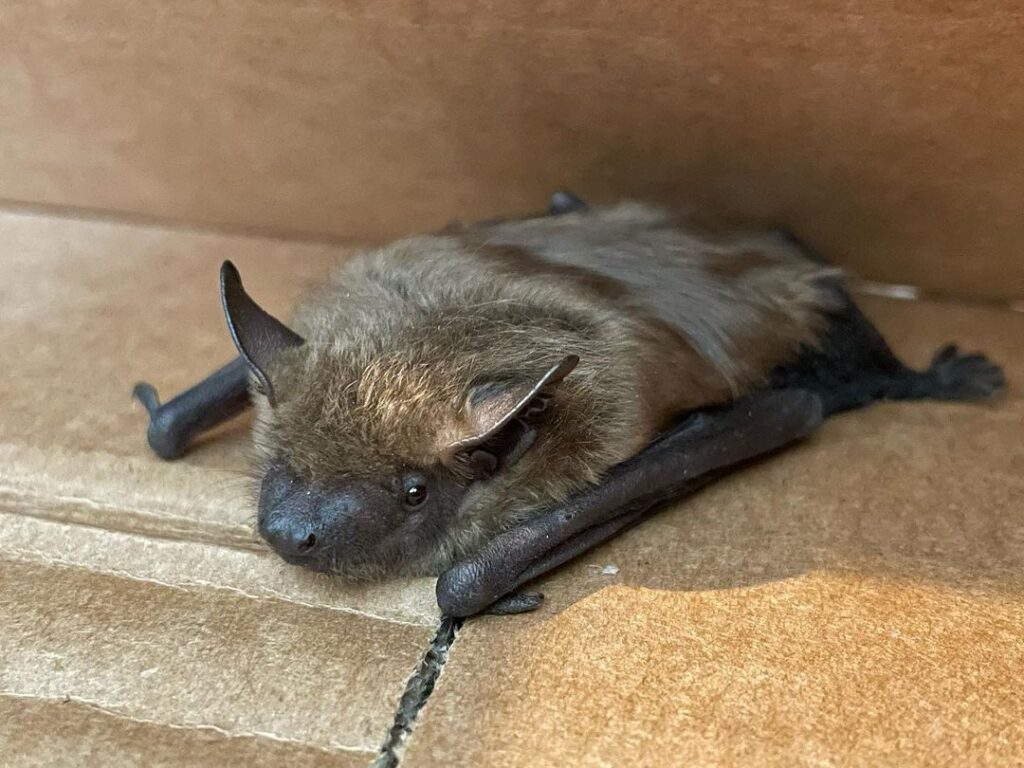
Learning to fly is only the start. Juveniles must also learn to find food. Insect-eating bats sharpen their skill at echolocation, sending out high-pitched calls and listening to the echoes to catch moths and other insects in the dark. Fruit bats learn where to find ripe fruit and flowers. For a while, the young bats may still drink milk while they practice hunting. See what bats eat for more about bat diets.
The first year is the most dangerous time in a bat’s life. Owls, hawks, snakes and cats can catch young bats, and bad weather can make insects hard to find. In cold places, juveniles must also build up enough fat to survive their first winter.
Stage 4: Adult
Many small bats are ready to breed by their first or second year, although this varies between species. Adults spend the night feeding and the day resting in roosts, hanging upside down so they can drop into flight quickly. Find more amazing details in our fun bat facts.
Hibernation and migration
Bats that live in places with cold winters face a problem: there are no flying insects to eat. Many of them hibernate. Species such as the little brown bat gather in caves or old mines, where their heartbeat, breathing and body temperature drop very low so they can live on stored fat until spring. Other bats migrate to warmer places instead. Many Brazilian free-tailed bats fly south to Mexico for the winter.
Hibernating bats in North America face a serious disease called white-nose syndrome, caused by a fungus that grows on their skin and wakes them up too often during winter. It has killed millions of bats. Learn how people are helping to save bats.
How Long Does a Bat Live?
Bats live surprisingly long for their size. A mouse usually lives only a year or two, but many small bats live for several years, and some live for decades. A wild little brown bat has been recorded living more than 30 years, and a Brandt’s bat in Siberia was found to be at least 41 years old. Scientists think bats live so long partly because they have so few babies and because hibernation and roosting in safe places protect them.
That said, many bats die young, especially in their first year. Because mothers raise only one pup a year in most species, bat numbers recover slowly when something harms them.
Bat vs Squirrel Life Cycle
Bats and squirrels are both small mammals, but their life cycles are very different. Compare the bat with the squirrel life cycle:
- Number of babies: Most bats have one pup a year. Squirrels usually have a litter of several babies, and some have two litters a year.
- Nursery: Many mother bats raise their pups together in large maternity colonies. A mother squirrel raises her babies alone in a nest or tree hole.
- Getting around: Young bats must learn to fly. Young squirrels learn to climb and jump.
- Lifespan: Bats often live much longer than squirrels and other small mammals of similar size.
You can also see all our animal and plant life cycles to compare bats with other animals.
Fun Facts About the Bat Life Cycle
- Bats are the only mammals that can truly fly.
- A mother bat can pick out her own pup’s voice among thousands of other squeaking pups.
- Some female bats store sperm for months before their pup begins to grow.
- Fruit bats, sometimes called flying foxes, can nurse their young for months.
- Bats are very useful: many eat huge numbers of insects, and others pollinate flowers and spread seeds. Read why bats help gardens.
To learn more about these night flyers, explore all about bats and the many types of bats around the world.
More life cycles
- Rabbit Life CycleKits → young rabbit → adult
- Squirrel Life CycleKit → juvenile → adult
- Fox Life CycleKit → juvenile → adult
- Wolf Life CyclePup → juvenile → adult
- Butterfly Life CycleEgg → caterpillar → chrysalis → butterfly
Bat Life Cycle FAQs
What are the stages of a bat’s life cycle?
A bat’s life cycle has four stages: birth, pup, juvenile and adult. Pups drink milk, juveniles learn to fly and find food, and adults breed to start the cycle again.
Do bats lay eggs?
No. Bats are mammals, so they give birth to live babies and feed them milk.
What is a baby bat called?
A baby bat is called a pup. Groups of mother bats and their pups live together in maternity colonies.
How many babies do bats have?
Most bats have just one pup a year. A few species, such as big brown bats and eastern red bats, can have twins or more.
How long do bats live?
Many small bats live for several years and some for more than 20, which is long for such small mammals. Some wild bats have been recorded living over 30 years.

Randi Jones is the owner and founder of the Nature Gift Store, an online retailer specializing in nature-themed gifts, educational science projects, live animal nature kits and real butterfly artwork. A biology graduate who fell in love with insects, she founded the company in 2001 to make active learning about nature fun, accessible and engaging for children and adults. Her store offers real butterfly frames, home and garden decor and educational live animal kits, including ant farms, worm farms, tadpoles, ladybugs and hermit crabs, and she runs a bug museum in Washington featuring live animals like Eddie the Iguana alongside other reptiles and insects.