About Fruit Bats

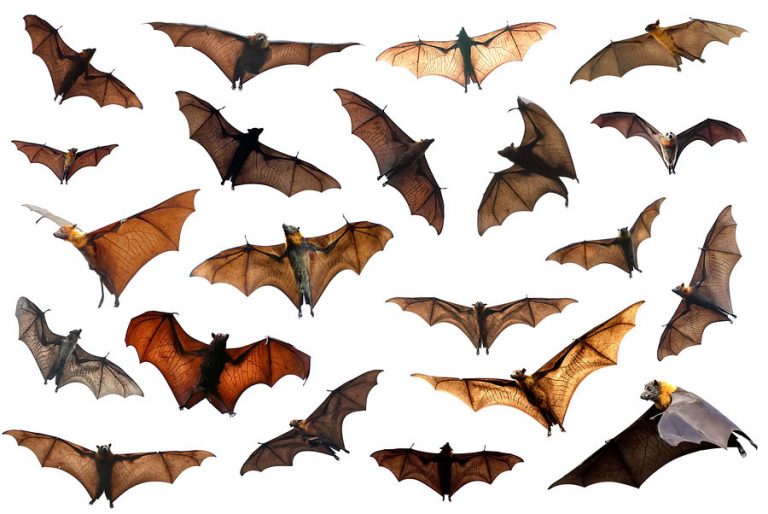
Fruit bats are some of the most popular bats in the world– they are furry, cute mammals and do not inspire the fear that some people have of bats. In this article, we will explore some fruit bat facts that you may not know about, for example, did you know that another name for a fruit bat is a ‘megabat’? If not, then this article will definitely help you learn a little bit more about this ever-so-popular bat!
Fruit bats Quick Facts
| Common name | Fruit bats |
| Scientific name | Pteropodidae |
| Kingdom | Animalia |
| Phylum | Chordata |
| Class | Mammalia |
| Order | Chiroptera |
| Type | Mammal (megabat) |
| Diet | Mostly fruit and flower nectar |
| Habitat | Mostly tropical areas |
| Size | Smallest about 6 cm; wingspan up to 5 feet |
| Weight | Biggest about 2 pounds |
| Special feature | Excellent sense of smell; do not hibernate |

How Big Are Fruit Bats?
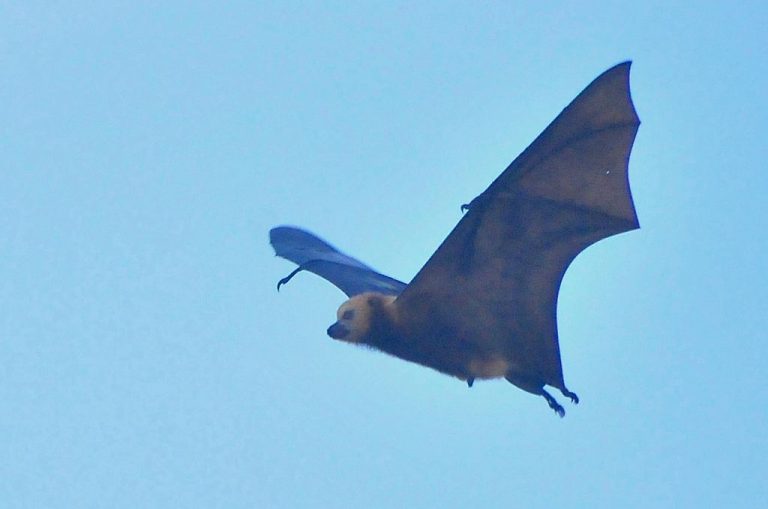
While fruit bats are generally dubbed megabats that does not always mean that the bat is going to be large. Actually, fruit bats have some of the smallest bats in the world in their family, the very smallest being just six centimeters long. Megabats do have some larger bats in their family as well, some of them having a wing span of about five feet and weighing in at about two pounds, so the largeness of the megabat group really does vary.
Fruit Bats’ Sense of Smell and Sight
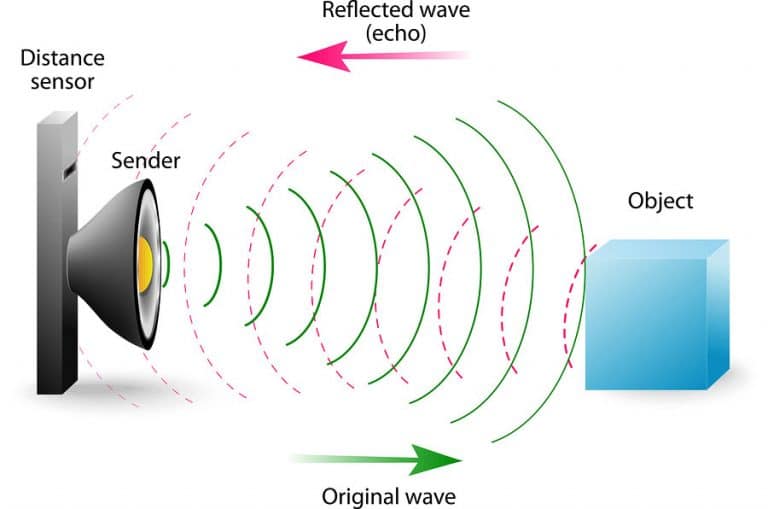
The fruit bat has an excellent sense of smell. While many people believe all bats are blind, fruit bats actually see well, though they also rely a lot on their nose. The other group of bats called ‘microbats’ (the bats that eat insects) rely mostly on echolocation to find insects in the dark.

What Do Fruit Bats Eat?
Fruit bats diet contains mostly just fruit and no insects or blood at all. They do tend to feed from flowers, taking a cue from the butterfly and eating the sweet nectar out of the flowers, but generally speaking a fruit bat will stick to just fruit. Now, the fruit does not always have to be whole, there are many fruit bats that love to lick the juices from crushed fruit, but if they have to, these bats do have teeth which allow them to bite through the hard fruit skins if needed. Larger fruit bats will sometimes eat an entire fruit piece whole, for they have a larger mouth, bigger teeth and they are able to swallow a larger fruit whole. The smaller fruit bats will just hover and flap their wings in front of the fruit or flower, stealing bites from the fruit or some of that sweet nectar from the flower.

Where Do Fruit Bats Live?
Generally speaking, fruit bats are found in the tropical and subtropical regions of Africa, Asia and Australia. They like to stay in these areas because not only do the tropics have an abundance of fruit, but also they have the heat. Bats do not, by nature, like the cold weather and while some bat species are willing to hibernate, the fruit bat or megabat is not one of them. This is one of the main reasons why you will find more bats in the warm tropics.
Fruit bats FAQs
What do fruit bats eat?
Fruit bats eat mostly fruit. They also lap up flower nectar and lick the juice from crushed fruit. They do not eat insects or blood.
Where do fruit bats live?
Fruit bats mostly live in warm tropical places, where there is plenty of fruit and heat. They do not like cold weather.
How big are fruit bats?
It depends on the kind. The smallest fruit bats are only about 6 centimetres long, while the largest have wings about 5 feet across and weigh around 2 pounds.
Do fruit bats hibernate?
No. Fruit bats do not hibernate because they do not like the cold, which is why they stay in warm tropical places.
Why are fruit bats called megabats?
‘Megabat’ is another name for fruit bat. The name suggests big size, but that is not always true, because some fruit bats are among the smallest bats in the world.

Randi Jones is the owner and founder of the Nature Gift Store, an online retailer specializing in nature-themed gifts, educational science projects, live animal nature kits and real butterfly artwork. A biology graduate who fell in love with insects, she founded the company in 2001 to make active learning about nature fun, accessible and engaging for children and adults. Her store offers real butterfly frames, home and garden decor and educational live animal kits, including ant farms, worm farms, tadpoles, ladybugs and hermit crabs, and she runs a bug museum in Washington featuring live animals like Eddie the Iguana alongside other reptiles and insects.