About Evening Bats
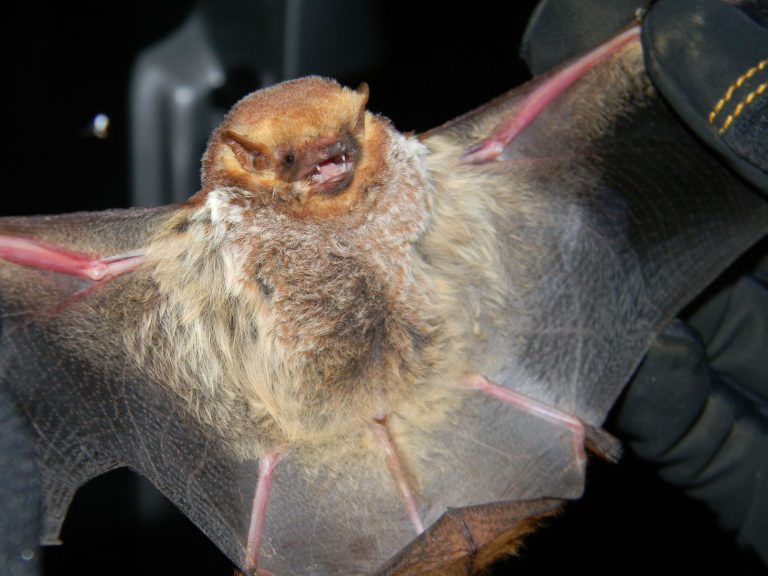
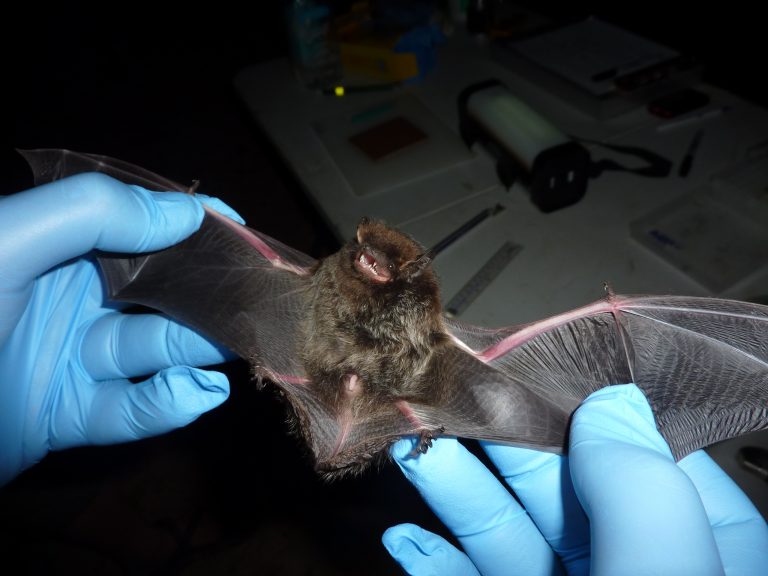
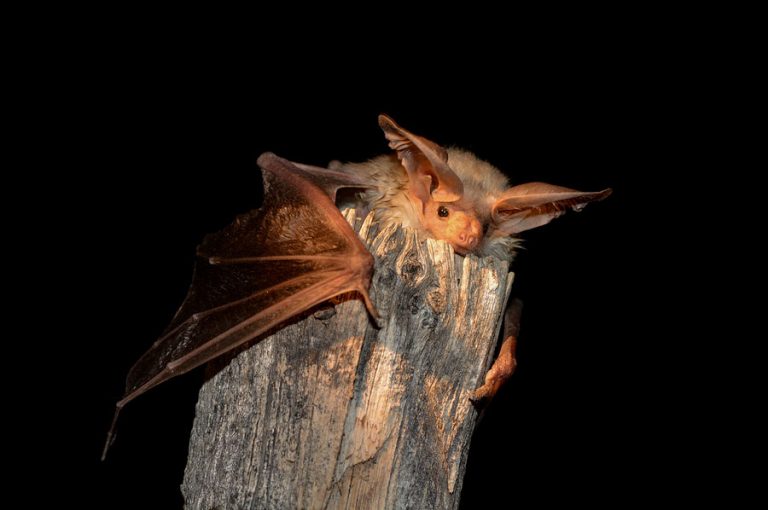
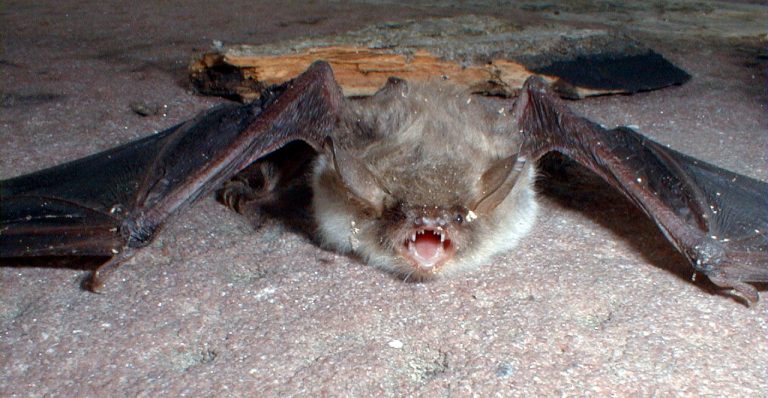
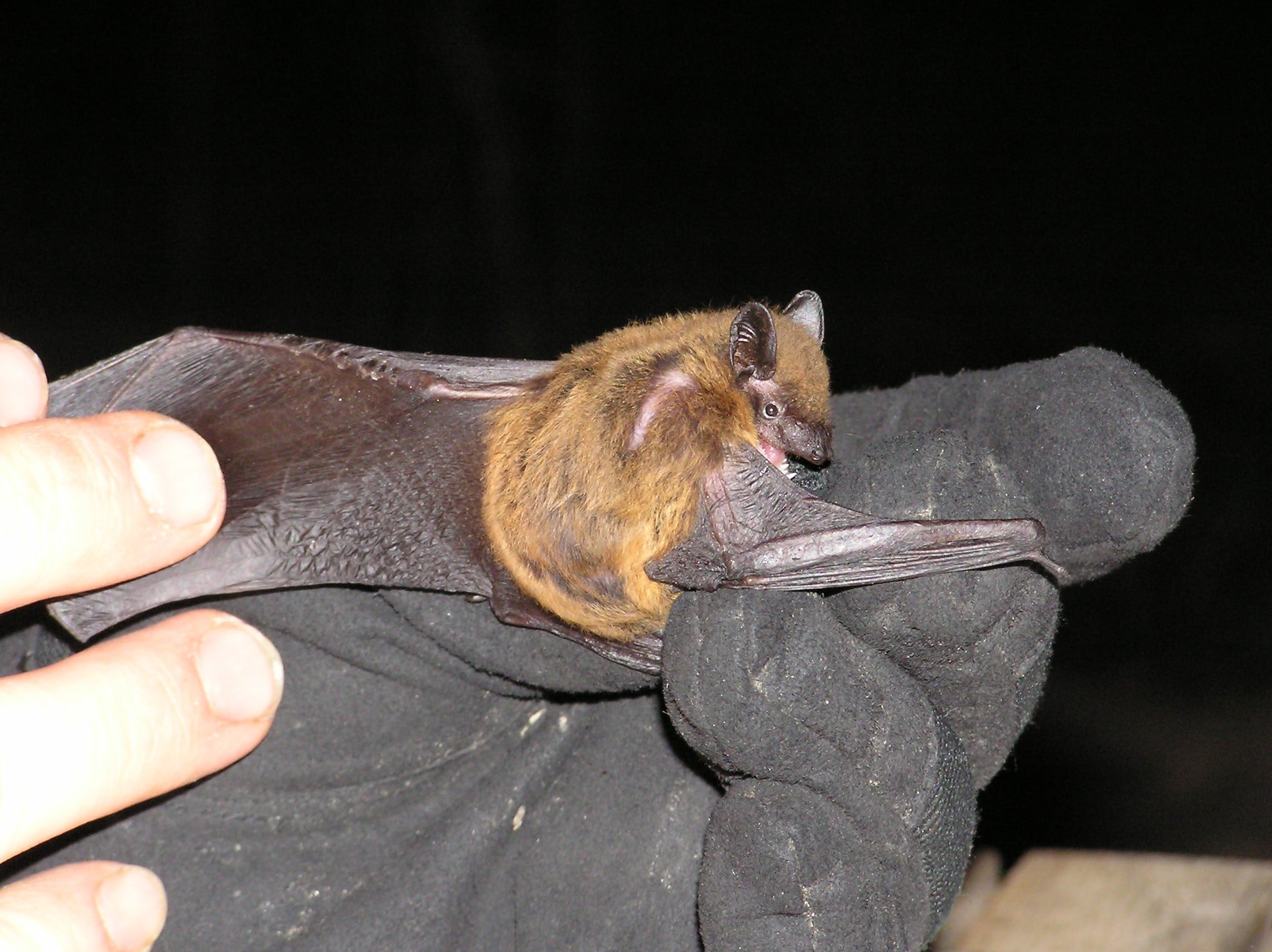
One of the most distinct features about the Evening Bat, Nycticeius Humeralis, that you may notice is that it looks almost exactly like a Brown bat. While the Evening bat is quite a bit smaller than the Big Brown bat, the glossy brown fur, black face, feet and wings give it the impression that it could be a baby brown bat. Upon closer inspection though, you will notice that the Evening bat reaches only about four inches long with a wingspan of about eleven inches.
You will not find these beautiful bats in a cave. Evening bats can often be located in hollow trees or under bridges. Evening bats are pretty active throughout the year, especially since they usually make their home in states that are a warmer climate. This bat is one of the bats that migrate to the southern states when it becomes colder, generally, these bats are only willing to fly roughly three hundred and forty miles versus other bats that are willing to fly thousands of miles to South America.
The Evening bat is a slow and steady flyer that will feed off of insects higher in the air the evening and when it gets darker it will swoop in lower. It is one of the many bats that make up their diet of insects.
Having discovered a fondness for insects while pursuing her degree in Biology, Randi Jones was quite bugged to know that people usually dismissed these little creatures as “creepy-crawlies”.