Boll Weevil Song


The Boll Weevil Monument in Enterprise, Alabama.
Boll weevil Quick Facts
| Common name | Boll weevil |
| Scientific name | Anthonomus grandis |
| Kingdom | Animalia |
| Phylum | Arthropoda |
| Class | Insecta |
| Order | Coleoptera |
| Family | Curculionidae |
| Genus | Anthonomus |
| Type | Traditional American blues and folk song |
| Special feature | Tells the story of a farmer and a stubborn boll weevil |
| Native range | Boll weevil: Mexico and Central America |
| Diet | Boll weevil: cotton buds, flowers and bolls |
| Size | Boll weevil: about 6 mm (1/4 inch) long |
“Boll Weevil” is a traditional American blues and folk song about a tiny beetle that caused enormous trouble. The insect in the song is the real boll weevil, which spread across the cotton fields of the southern United States in the early 1900s. Musicians turned the farmers’ struggle against it into one of the best-known folk songs in America.
The song is also known as “Boll Weevil Blues” or “Bo Weevil,” and it has been sung and recorded by hundreds of artists, from blues pioneers of the 1920s to rock bands of the 2000s.
The Real Boll Weevil
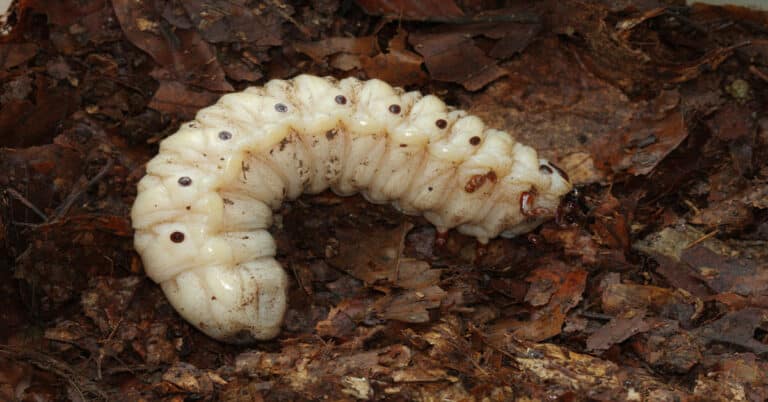
The boll weevil (Anthonomus grandis) is a small grayish beetle, only about a quarter of an inch long, with a long curved snout. Its larvae grow inside the flower buds and young seed pods (called bolls) of cotton plants, ruining them.
The weevil is native to Mexico and Central America. It crossed into Texas around 1892 and spread east year after year. By the 1920s it had reached almost every cotton-growing area of the United States, wrecking harvests and causing hardship for farm families, especially poor sharecroppers in the South.
No wonder the weevil found its way into songs. People sang about it the way they might sing about a flood or a hard winter: as something powerful, stubborn and impossible to ignore.
What the Song Is About
Most versions tell a funny, back-and-forth story between a farmer and the boll weevil. The weevil arrives “from Mexico,” looking for a place to live. The farmer tries everything to get rid of it: he puts it on red-hot sand, then on a block of ice. Each time, the tough little bug shrugs it off and says it will make that place its home.
The famous refrain is the weevil’s simple line: “Just a-lookin’ for a home.” Some listeners hear the song as a joke about a pest that cannot be beaten. Others hear a deeper message about people who kept going in hard times, moving from place to place and refusing to give up.
History of the Song
Nobody knows exactly who wrote “Boll Weevil.” Like many folk songs, it was passed from singer to singer and changed along the way. It was probably being sung in the South in the early 1900s, around the time the weevil first spread through Texas and Louisiana.
Blues singers recorded many boll weevil songs in the 1920s. Ma Rainey, often called the “Mother of the Blues,” recorded “Bo-Weavil Blues” in Chicago in December 1923, and Bessie Smith recorded her own version in 1924. Their songs share the weevil theme but are quite different from the folk version most people know today.
In 1929 the blues pioneer Charley Patton recorded “Mississippi Boweavil Blues” for Paramount Records. It was released under the mysterious name “The Masked Marvel.” Old-time country musicians, such as Gid Tanner, also recorded boll weevil songs in the 1920s.
Many versions include the same dialogue between the farmer and the weevil. Artists such as Jaybird Coleman, W.A. Lindsey and Alvin Conder, and Blind Willie McTell all recorded versions with this back-and-forth story.
Lead Belly and the Lomax Recordings
The version that became the best known was performed by the blues and folk singer Lead Belly (Huddie Ledbetter). Folklorist Alan Lomax, who traveled the South recording traditional music for the Library of Congress with his father John Lomax, recorded Lead Belly singing it in 1934. Lead Belly went on to record the song several more times, with slightly different words, before his death in 1949.
Other Famous Versions
Over the years, the song has been recorded by singers in many styles: blues, folk, country, rock and even children’s music. Here are some of the artists who have recorded or performed it:
- Carl Sandburg (1926, as “The Boll Weevil”)
- Woody Guthrie (1940)
- Tex Ritter (1945)
- Burl Ives (1956)
- The Weavers (1957)
- Ramblin’ Jack Elliott (1958)
- Eddie Cochran (1959)
- Brook Benton (1961, as “The Boll Weevil Song”)
- Odetta (1963)
- Pete Seeger (1970)
- The White Stripes (performed live in the 2000s)
- The Wiggles (2008)
- Old Crow Medicine Show (2008)
- Punch Brothers (2015)
The Brook Benton Hit
In 1961, the American R&B singer Brook Benton released “The Boll Weevil Song,” a lively, playful version he wrote with his musical partner Clyde Otis. It was produced by Shelby Singleton and is often described as a novelty song because of its humor.
It became the biggest hit of Benton’s career. In the summer of 1961 it climbed to number two on the Billboard Hot 100 and stayed there for three weeks. It also reached number two on the R&B chart.
The song also made chart history. In July 1961, Billboard magazine started a new “Easy Listening” chart for songs that were not rock and roll. “The Boll Weevil Song” was the very first number one on that chart, even while Bobby Lewis’s “Tossin’ and Turnin'” held the top spot on the Hot 100.
The Boll Weevil Monument
The song is not the only tribute to the insect. In 1919, the town of Enterprise, Alabama, put up a statue honoring the boll weevil. That sounds strange, but the weevil had destroyed so much cotton that local farmers switched to other crops, especially peanuts, and the area became more prosperous. The statue, shown in the photo above, still stands in the middle of town.
What Happened to the Boll Weevil?
In 1978, the United States began a huge program to eradicate (wipe out) the boll weevil. Farmers used traps baited with the weevil’s own scent signals to track it, destroyed old cotton plants after harvest so the weevils had nowhere to spend the winter, and treated fields when needed. Today the weevil has been eliminated from most US cotton-growing states, though it is still a problem in parts of Mexico and South America.
The song, however, is still very much alive. Musicians keep finding new ways to sing about the little bug that was “just a-lookin’ for a home.”
Boll weevil FAQs
What is the boll weevil song about?
It tells the story of a farmer who tries to get rid of a boll weevil by putting it on hot sand and on ice. The tough little beetle survives every time and says it is “just a-lookin’ for a home.”
Who wrote the boll weevil song?
Nobody knows. It is a traditional folk song passed from singer to singer in the American South in the early 1900s. Brook Benton and Clyde Otis wrote their own popular version in 1961.
Who sang the most famous version of “Boll Weevil”?
Lead Belly’s 1934 recording, made by folklorist Alan Lomax, made the folk version famous. Brook Benton’s 1961 “The Boll Weevil Song” was the biggest chart hit, reaching number two on the Billboard Hot 100.
Why is there a monument to the boll weevil?
In 1919 the town of Enterprise, Alabama, honored the weevil because its damage pushed farmers to grow other crops, like peanuts. That change helped the local economy.
Is the boll weevil still a problem today?
A program begun in 1978 has wiped the boll weevil out of most US cotton-growing states. It is still a pest in parts of Mexico and South America.

Randi Jones is the owner and founder of the Nature Gift Store, an online retailer specializing in nature-themed gifts, educational science projects, live animal nature kits and real butterfly artwork. A biology graduate who fell in love with insects, she founded the company in 2001 to make active learning about nature fun, accessible and engaging for children and adults. Her store offers real butterfly frames, home and garden decor and educational live animal kits, including ant farms, worm farms, tadpoles, ladybugs and hermit crabs, and she runs a bug museum in Washington featuring live animals like Eddie the Iguana alongside other reptiles and insects.