Reptiles

Reptiles have scaly skin and are cold-blooded, which means they rely on the sun and their surroundings to warm up. That is why you often see a lizard or tortoise basking on a rock in the morning. Most reptiles lay eggs with tough or leathery shells, an adaptation that let their ancestors leave the water and breed on dry land long before the first mammals appeared. Today the group includes animals as different as legless snakes, armored crocodiles and color-changing chameleons, found on every continent except Antarctica.

Use this hub to explore each branch of the reptile family. Compare the slow, land-living tortoises with their swimming cousins in turtles, discover sticky-toed geckos and other lizards, or read about the crocodiles that have changed little in millions of years. Whether you are a student researching habitats or a pet owner planning a first terrarium, you will find species profiles, behavior facts and care tips for keeping reptiles healthy.

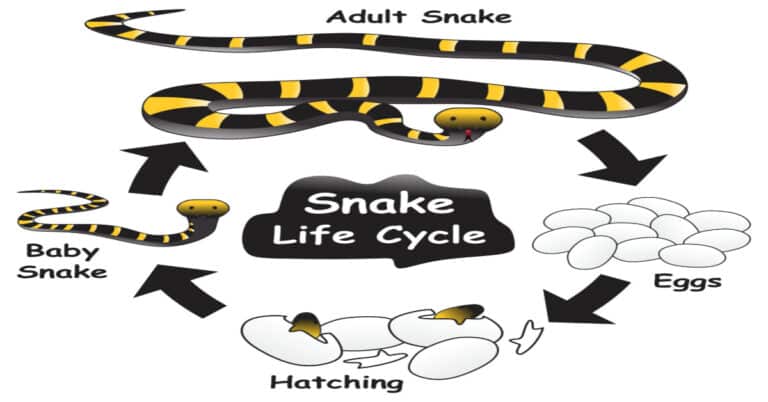
  • Snake Life Cycle

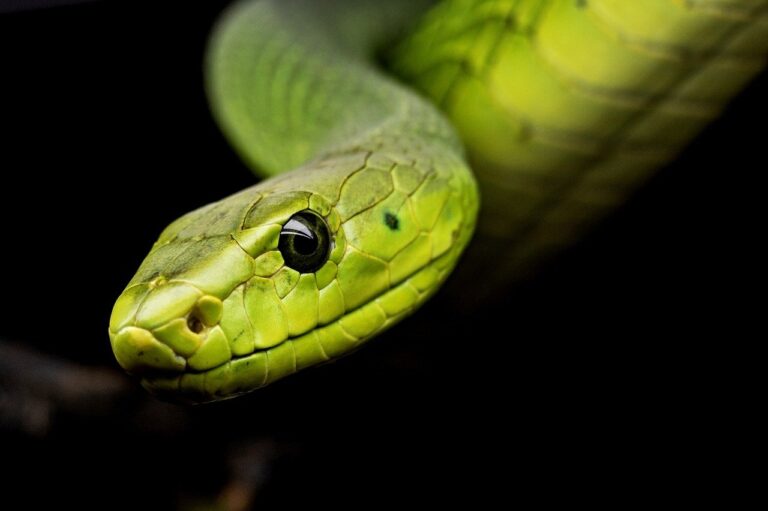
    Remember these legless creatures that many people are afraid of? Snakes belong to the Squamata order and the Serpentes suborder. Because some species of these reptiles are venomous and deadly, many people have developed snake phobias, and rarely can a person have positive feelings toward snakes.  Teachers and students: you’re welcome to use this diagram…

  • What Do Alligators Eat?

    Quick answer: Alligators are carnivores that eat fish, turtles, snakes, frogs, birds, and mammals, including small deer. They are ambush predators that wait near the water, and young alligators eat insects, snails, and small fish. Alligators are famous for their large jaws and sharp teeth. They are large reptiles and belong to the family of…

  • Do Turtles Hibernate?

    Quick answer: Yes, most turtles that live in cold climates hibernate, or more exactly brumate, during winter. They slow down and rest on the bottom of ponds or buried in mud, and use very little oxygen. Tropical turtles do not hibernate. Turtles are very interesting creatures. They are reptiles that belong to the family of…

  • What Do Crocodiles Eat?

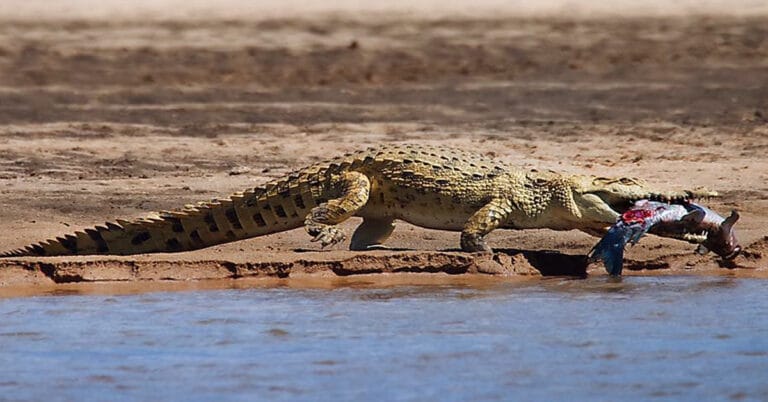
    Quick answer: Crocodiles are carnivores that eat fish, birds, reptiles, and mammals, including large animals such as zebras and wildebeest that come to drink. Young crocodiles eat insects, frogs, and small fish, and adults ambush prey near the water’s edge. Have you ever wondered what do crocodiles eat? Crocodiles are considered to be one of…

  • Anole Lizard

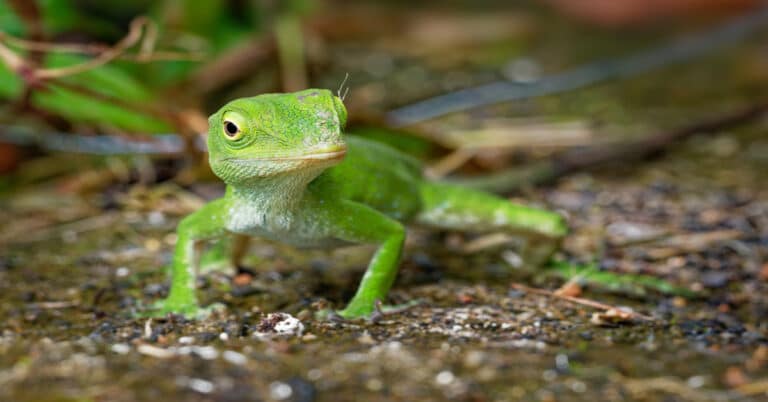
    Scientific Classification & Quick Facts Common name Anole Scientific name Anolis Kingdom Animalia Phylum Chordata Class Squamata Family Dactyloidae Type Reptile; small, day-active lizard Diet Live insects such as crickets, flies and spiders Habitat Bushes and branches; green types stay higher Native range Southeastern United States and Caribbean Size 3-7 inches; knight anole over 12…

  • Monitor Lizard

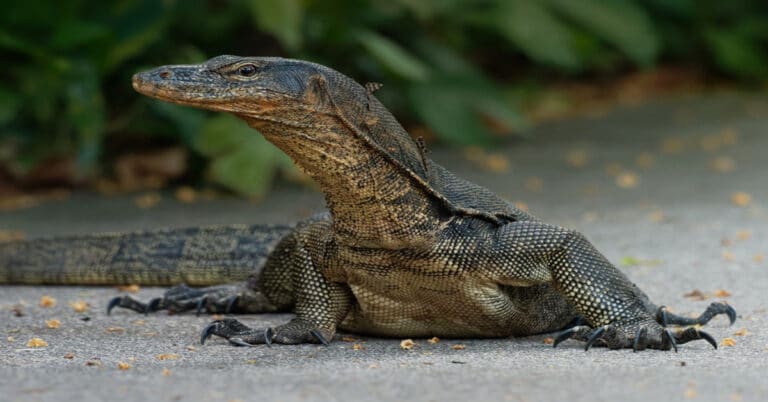
    The monitor lizard is a member of the order Squamata, the family Varanidae, and the genus Varanus. That specific species of lizard has a variety of subgenres. The Arabic term for dragon or lizard beast is where its name – Varanus, originates from. The monitor lizard’s habit of standing on its hind legs to survey…

  • Basilisk Lizard

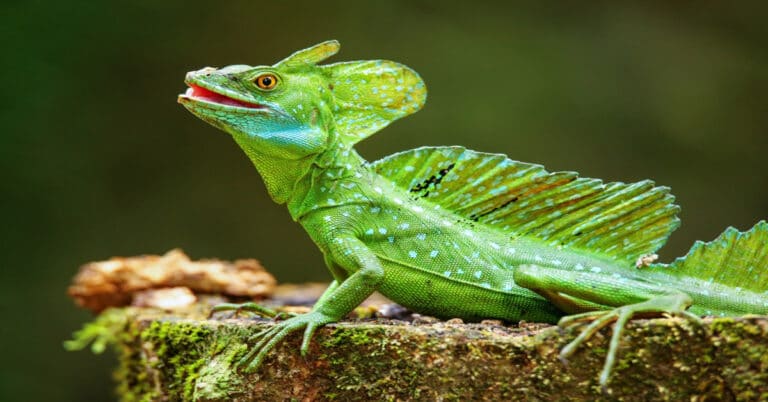
    Scientific Classification & Quick Facts Common name Common basilisk Scientific name Basiliscus basiliscus Kingdom Animalia Phylum Chordata Class Squamata Family Corytophanidae Genus Basiliscus Conservation status Least Concern Type Reptile; crested lizard Diet Insects, spiders and sometimes pinky mice Habitat Rainforest next to streams Native range Central America and northern South America Lifespan About 7 years…

  • Curly Tail Lizard

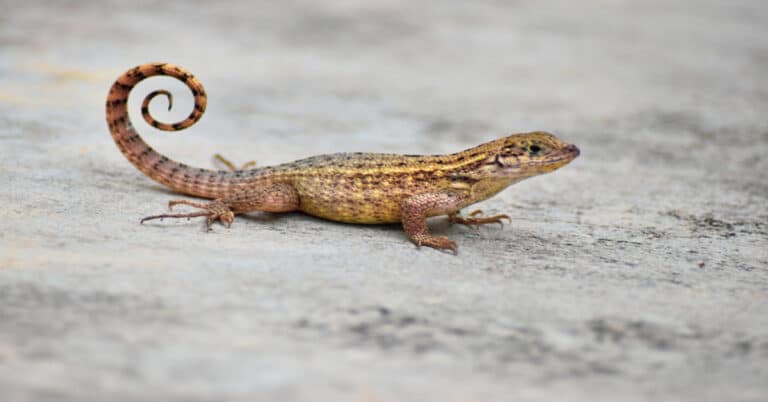
    Scientific Classification & Quick Facts Common name Curly-tailed lizard Scientific name Leiocephalus Kingdom Animalia Phylum Chordata Class Squamata Family Leiocephalidae Type Reptile; ground-dwelling lizard Diet Insects, flowers, small fruit and seeds Habitat Rocky, coastal areas, pine lands and scrub Native range Caribbean, including the Bahamas Size Typically 7 in; up to 11 in Special feature…

  • Horned Lizard

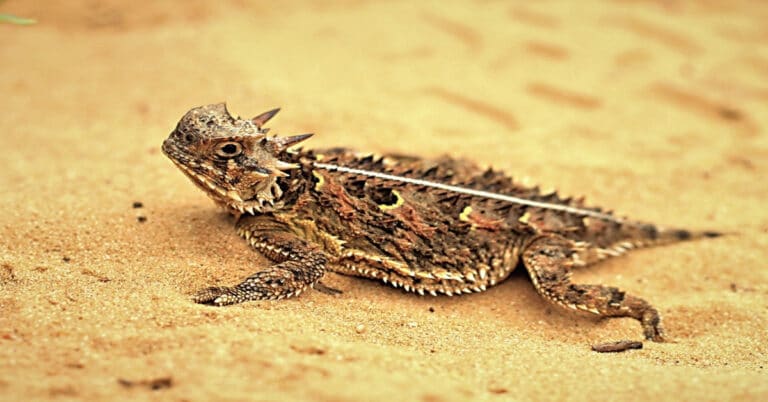
    Scientific Classification & Quick Facts Common name Horned lizard Scientific name Phrynosoma Kingdom Animalia Phylum Chordata Class Squamata Family Phrynosomatidae Type Reptile; flat, toad-shaped lizard Diet Ants, especially harvester ants; small insects Habitat Sandy, dry, hot places, from deserts to mountains Native range Mexico and the western United States Special feature Some squirt blood from…

  • Mountain Horned Lizard

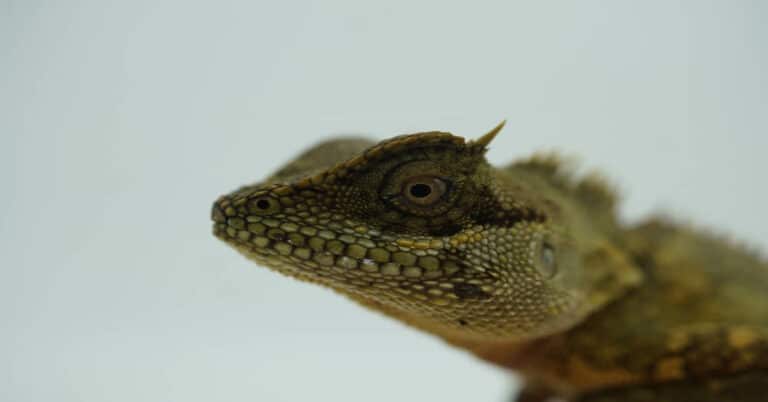
    Mountain Horned lizards have slim bodies; their tails are normally longer than their body. They grow to lengths of between 10 – 15 inches which varies according to their species.  The color of a healthy Mountain Horned Lizard varies from deep brown to brilliant green, which again differs according to the animal sex and variety. The ridge on…

  • Weird Lizards (A Compilation)

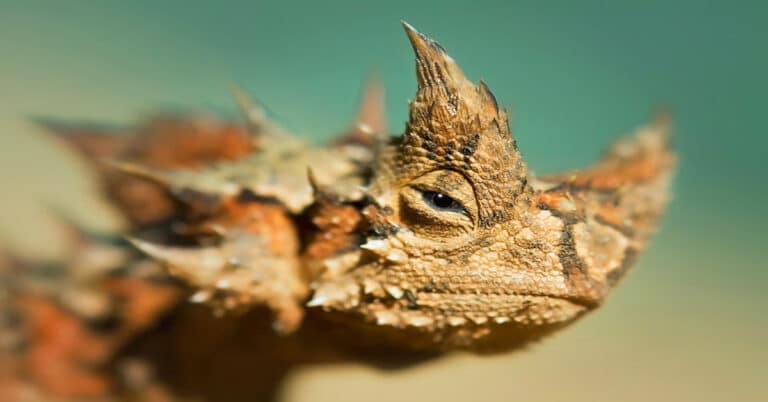
    Thorny Mountain Devil Lizard (Moloch horridus) The thorny dragon a k a thorny devil belongs to the species Moloch horridus.  This is basically Australian in origin.  They call this lizard by many names. The thorny devil, Thorny lizard, the Moloch, and Mountain devil are a few of them.  This is the one and only species of the genus Moloch.   Thorny devil…