How Long Do Snakes Live?
Even if you’ve never seen a snake up close, you’ve probably seen them in movies, pictures, or your average science textbook, under the heading of ‘reptiles.’ You can find over 4000 species of these cold-blooded animals, all of which have different life spans. While some snakes can live for many years, some of them have a very short lifespan.
Now, you may be curious as to how long snakes live, both in the wild and domestic settings. Snakes have also become a popular option to keep as pets as more animal lovers are looking to bring them home.
In this article, we will discuss different types of snake species and the average lifespan of a snake. Without further ado, let’s get started!
How long do Snakes Live as Pets?
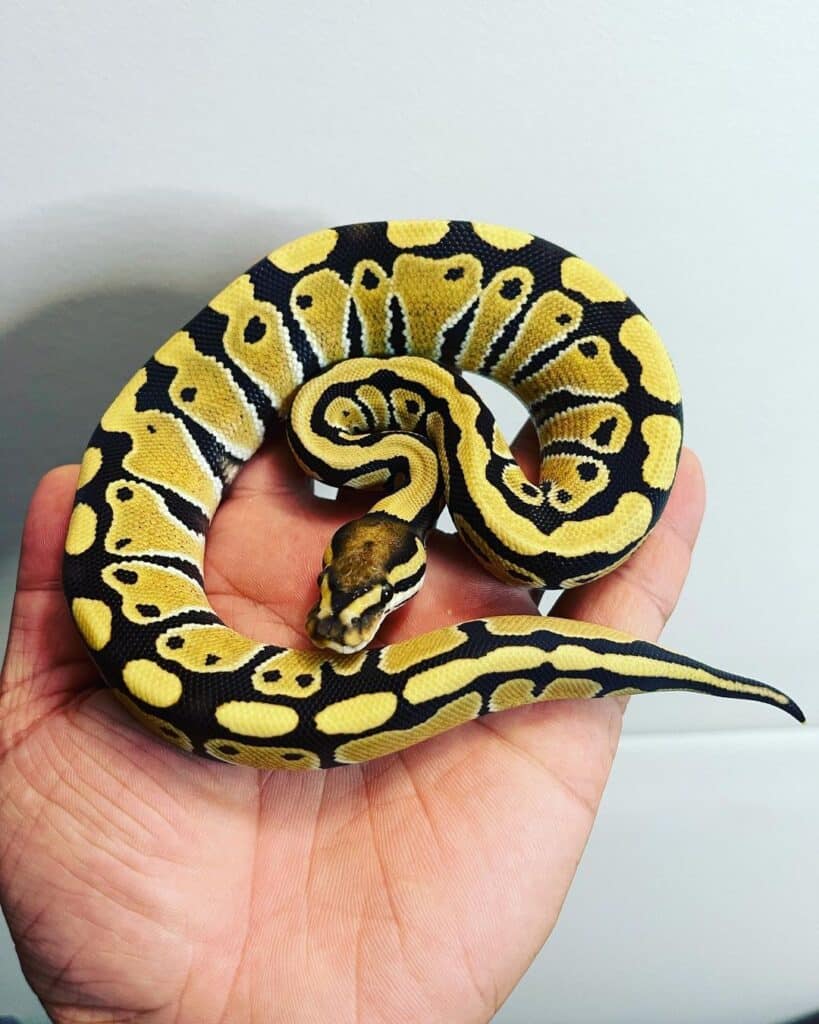
An average pet snake usually lives around 5-30 years in captivity. A snake’s lifespan depends on the type of species they are. But if we talk about average, then people can expect 20 years on average. Obviously, not all snakes will up to the age mark since it is an average estimate of all snake species.
Among other things, the lifespan is an integral aspect for pet owners to consider. Some pet owners don’t plan the strategy through and end up releasing them into the wild.
In confinement, snakes’ life expectancy increases exponentially. Compared to when they’re in the wild, these pets are well-fed and taken care of. Ultimately, it means that adopting a snake will give them a longer-than-usual lifespan.
How long do Snakes live in the wild?
On average, snakes can live in the wild for up to 2-8 years on average. It is significantly lower compared to snakes helps in captivity. One of the main reasons for their lower life expectancy is that there are predators roaming in the wild. Depending on their size, snakes find themselves at the mercy of various predators, including birds, wild cats, raccoons, and other carnivores.
Apart from natural hazards, they are also at risk of venturing into urban areas. Often, they crawl up to the roadways and enter human infrastructure. Unfortunately, most humans are not fond of snakes. Snakes in the wild are also prone to health risks such as viruses and fungal infections. Let’s not forget that in the wild, dangerous parasites can negatively impact snakes’ health.
Factors Impacting the Longevity of Snake’s Life
Now we have explained how long do snakes live, let’s take a look at factors that may affect a snake’s overall lifespan. Therefore, it is almost impossible to identify the accurate average lifespan of a snake. Be it a pet or a snake in the wild, the factors below will impact their overall longevity:
Stressors
Like humans and other species, snakes can also go through trauma and stress. Often, snakes that endure stressful situations are more prone to dying younger since they develop diseases quicker.
Species
The kind of species that a snake is can also determine its lifespan. As we identified earlier, there are thousands of snake species that roam the earth, each with its unique lifespan. Snake species, such as pythons, live much longer than Kingsnakes.
Health Conditions
Snakes with good health will ultimately reach the average life expectancy and above. Meanwhile, snakes with a weaker immune system are more prone to developing life-threatening complications, resulting in a shorter lifespan.
The Type of Food
Adequate nutrition is a contributory aspect that affects a species’ lifespan, and snakes are no exception. When snakes can’t access proper food sources to get the nutrition they need, it can negatively affect their immune systems and lifespan.
Moreover, it is also important for a snake to eat at regular intervals. When snakes go for days without food, they can’t live up to their predicted lifespan.
Quality of Life
The quality of life refers to a snake’s habitat and routine. If the snake lives in a habitat where it can access everything it needs, then its lifespan will increase. This includes humidity, temperature, and food. Most owners recreate these conditions in an enclosure to keep their pet snakes in, so snakes tend to live longer in captivity.
Determining Average Lifespan of Different Snake Species
With over 4000 species of snake, it is hard to calculate how long they might on average collectively. Therefore, we have identified a few common species below along with their average lifespan.
Corn Snakes
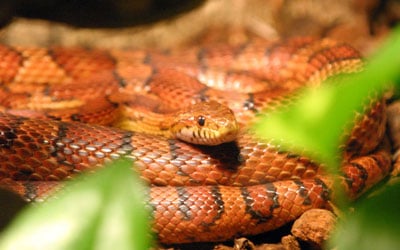
Corn snakes are one of the most common species of snakes, and they’re often adopted as pets. This snake species is very friendly and can easily adapt to a household setting. They are known to be social and friendly with humans and require very little maintenance and care.
You’re probably wondering how long these snakes generally live? Well, it depends. In the wild, these species can only live up to 5-8 years on average due to the risk of being attacked or eaten by predators. However, in captivity, the species can only live up to 20 years!
Ball Pythons
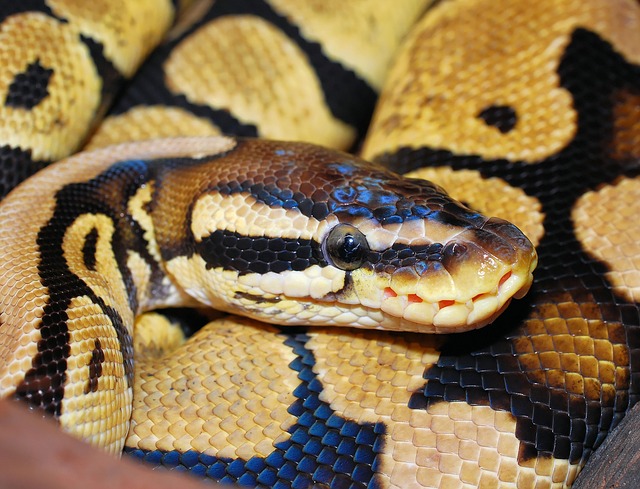
Pythons are becoming more popular for people looking to adopt snakes. It shouldn’t come as a surprise that this is the most adopted snake specie in the whole world. These snakes usually come in different skins and textures, which makes them very diverse.
These species can live up to an extremely long time in captivity. However, in the wild, their chances of survival are low, and their average lifespan drops to 10-15 years.
Rubber Boas
Rubber Boas are known to be the friendliest snakes out there. They don’t have any defense mechanism apart from hiding, so they don’t pose a significant risk to humans. As pets, they are social and love to interact with humans.
Their average lifespan in captivity may reach up to 15 years. However, in the wild, it drops to 5 years as they lack proper defense mechanisms.
Summary: How Long Do Snakes Live
Snakes are known to be the longest living pets. Whenever someone needs to adopt them as pets, they have to plan out for at least 10-15 years of care. But if we compare it to their lifespan in the wild, it is evident that every snake’s lifespan significantly drops.
We hope that this guide was helpful in answering your question, ‘how long do snakes live?’
Having discovered a fondness for insects while pursuing her degree in Biology, Randi Jones was quite bugged to know that people usually dismissed these little creatures as “creepy-crawlies”.