Apple Tree Life Cycle: Stages From Seed to Fruit (With Diagram)

Quick answer: The apple tree life cycle has five stages: seed, seedling, young tree, blossoms and fruit with seeds. After several years a tree blooms each spring, bees cross-pollinate the flowers, and the flowers grow into apples. Apple trees are perennials, so they repeat this every year.
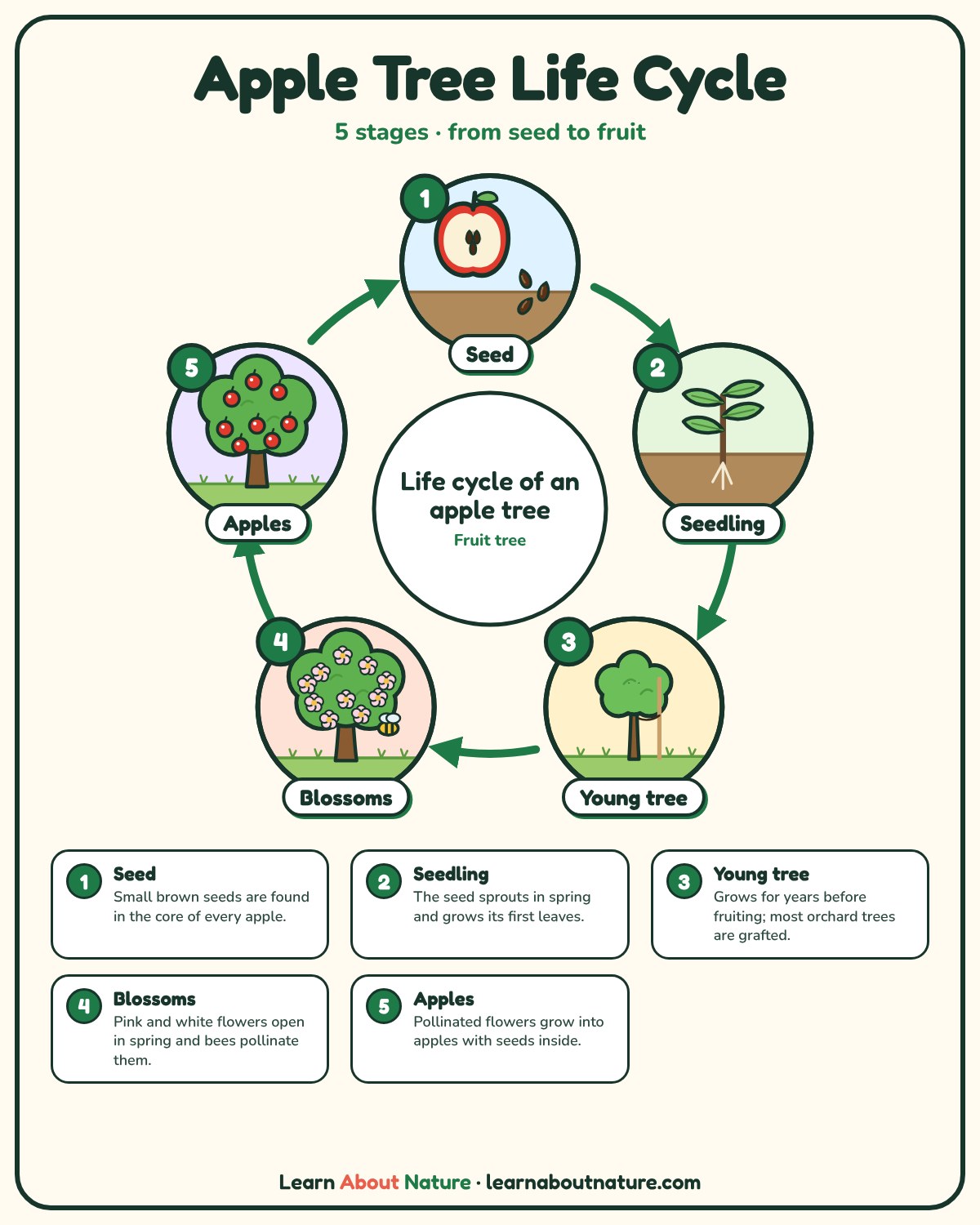
The apple tree life cycle has five main stages: seed, seedling, young tree, blossoms (flowering and pollination) and fruit with seeds. An apple seed sprouts into a seedling, grows into a young tree, and after several years starts to bloom each spring. Bees pollinate the blossoms, and each pollinated flower can grow into an apple with new seeds inside.
Apple tree Life Cycle Quick Facts
| Common name | Apple tree |
| Scientific name | Malus domestica |
| Kingdom | Plantae |
| Phylum | Tracheophyta |
| Class | Magnoliopsida |
| Order | Rosales |
| Family | Rosaceae |
| Genus | Malus |
| Life cycle stages | Seed, seedling, young tree, blossoms, fruit with seeds |
| Type of development | Grows from seed (orchard trees are grafted) |
| Time to first fruit | About 2 to 5 years if grafted; often 5 to 10+ years from seed |
| Lifespan | Often 50+ years; some live over 100 years |
| Seeds per apple | Up to about 10, often fewer |
Unlike a sunflower or a bean plant, an apple tree does not die after it makes seeds. It is a perennial, so it rests every winter and blooms and fruits again year after year, often for decades. Learn more about the tree itself in our guide to the apple tree, or see all our animal and plant life cycles.
Stage 1: Seed
Cut an apple in half across the middle and you will see a star shape in the core. The star has five little chambers, and each one can hold up to two seeds, so an apple has at most about ten seeds. Many apples have fewer.
Each apple seed has a shiny brown coat protecting a tiny baby plant inside. Apple seeds will not sprout right away. They need a long, cold, damp period first, like the winter they would spend on the ground in nature. Gardeners copy this by keeping seeds in damp soil or paper towel in a refrigerator for a couple of months before planting them.
Why apple seeds do not grow true to type
Here is a surprising fact: if you plant the seeds from a Gala apple, you will not get a Gala apple tree. Every apple seed has two parents, the tree the apple grew on and the tree that sent the pollen, so each seed is a brand-new mix, a bit like brothers and sisters who all look different. Most trees grown from seed make apples that are smaller, sourer or less tasty than the apple they came from, although once in a while a great new variety is discovered this way.
Stage 2: Seedling
In spring, the seed soaks up water and germinates. A root grows down first, then a shoot grows up and opens two rounded seed leaves (cotyledons). Soon the first true apple leaves appear, with toothed edges.
A seedling is small and tender. Rabbits, deer, mice and insects like to nibble on it, and it can easily dry out or be shaded by weeds. In the wild, only a few apple seedlings survive to become trees.
Stage 3: Young Tree
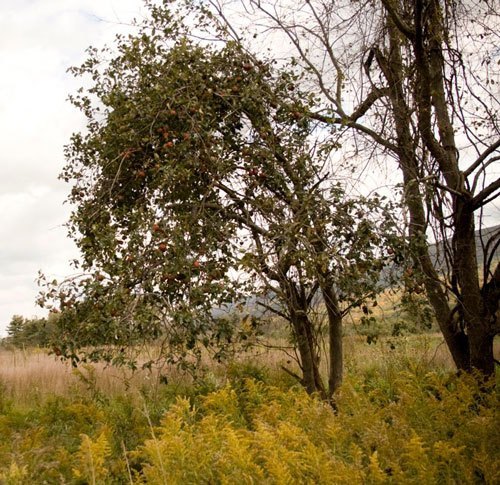
Over the next few years, the seedling grows into a young tree with a woody trunk and branches. Each fall it drops its leaves, and each winter it rests. This rest period is called dormancy, and apple trees need a certain amount of winter cold to wake up and bloom properly in spring. That is why apples grow best in places with cold winters.
How orchards grow apple trees: grafting
Because seeds do not grow true to type, apple growers almost never plant seeds. Instead they use grafting. A small cutting from a tree of the variety they want, such as Honeycrisp, is joined onto the roots and lower trunk of another apple tree, called the rootstock. The two parts grow together into one tree. The top makes exactly the same apples as the tree the cutting came from, while the rootstock controls how big the tree gets. This is how every Honeycrisp or Granny Smith tree in the world is a copy of the original one.
Years to first fruit depend a lot on how the tree started. A tree grown from seed may take about 5 to 10 years or more to bloom and make apples. A grafted tree from a nursery often starts fruiting in about 2 to 5 years, and dwarf trees are usually the quickest.
Stage 4: Blossoms and Pollination
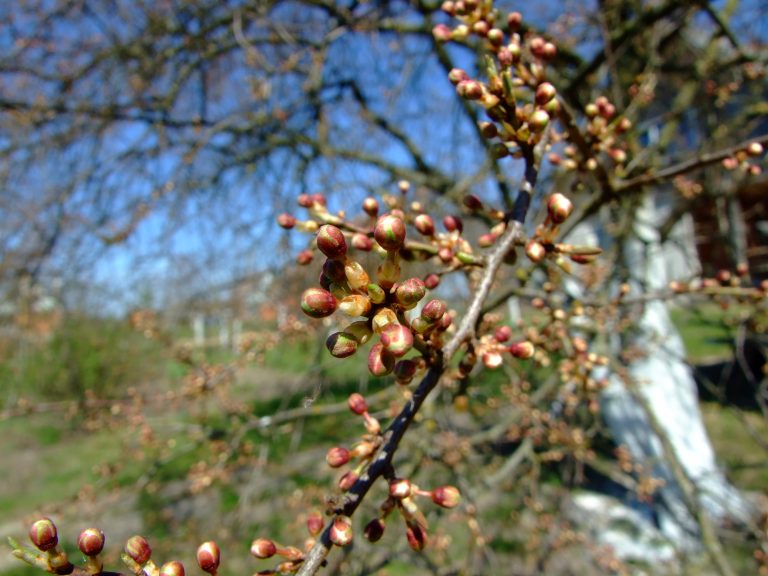
Once the tree is mature, it blooms every spring, usually just as its leaves are opening. The flowers, called apple blossoms, grow in clusters. Each blossom has five white or pale pink petals, many stamens that hold yellow pollen, and a sticky center where pollen must land.
Most apple varieties cannot make fruit with their own pollen. They need pollen from a different apple variety, which is called cross-pollination. That is why orchards plant at least two kinds of apple trees close together, and many also plant crabapple trees, whose flowers are great pollen donors.
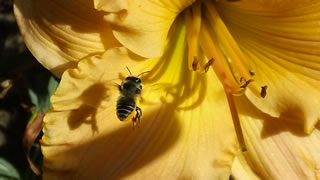
Apple trees depend on insects to carry pollen. Honey bees, bumble bees and mason bees visit the blossoms for nectar and pollen, and pollen grains stick to their fuzzy bodies and rub off on the next flower. Many orchards bring in beehives during bloom. You can learn how these helpers grow up in the bee life cycle. Blossom time is short, often only about one to two weeks, and a late frost can damage the flowers and ruin the year’s crop.

Stage 5: Fruit With Seeds
After pollination, the petals fall and the base of each flower starts to swell. This little green bump grows all summer into an apple. Most of the crisp flesh you eat grows from the part of the flower that held the petals, while the core grows from the center of the flower, where the seeds form.
A tree often sets more fruit than it can support, so some small apples drop off early in summer. Growers also pick some off by hand, a job called thinning, so that the remaining apples grow bigger. The apples ripen from late summer to fall, depending on the variety, changing color and becoming sweeter.
In nature, ripe apples fall to the ground, where animals such as deer, birds and insects eat them. Animals may carry or swallow the seeds and drop them far away, and the life cycle can begin again. Apples share this pattern with other orchard fruits; compare the pear tree and cherry tree.
How Long Does an Apple Tree Live?
Many orchard apple trees are kept for about 20 to 30 years, because older trees become less productive and growers replace them with new varieties. Left to grow, though, apple trees can live much longer. Full-size trees on strong roots often live 50 years or more, and some old apple trees are more than 100 years old and still produce fruit. Dwarf trees usually have shorter lives than full-size trees.
Apple Tree Life Cycle vs Other Plant Life Cycles
An apple tree follows the angiosperm life cycle: its seeds form inside a fruit that grows from a flower. The main difference from an annual like a pumpkin is time. In the pumpkin life cycle, a plant grows from seed to fruit in one summer and then dies. An apple tree takes years to make its first fruit, but then repeats the blossom-to-fruit part of its life cycle every year. For the basics that all these plants share, read about the plant life cycle.
Fun Facts About the Apple Tree Life Cycle
- Apples first came from the mountains of Central Asia, where wild apple forests still grow today.
- There are thousands of apple varieties, and almost all of them are kept going by grafting, not by planting seeds.
- In each blossom cluster, the middle flower usually opens first and often grows into the biggest apple. Growers call it the king blossom.
- Apples, pears, plums and cherries are all related members of the rose family. See more in our guide to fruit trees.
- Apple seeds contain a natural chemical that can be harmful in large amounts, so it is best not to chew and eat lots of them.
More life cycles
- Tree Life CycleSeed → seedling → sapling → mature tree
- Plant Life CycleSeed → seedling → adult plant → flower → seed
- Pumpkin Life CycleSeed → sprout → vine → flower → pumpkin
- Angiosperm Life CycleSeed → seedling → flower → fruit → seed
- Bee Life CycleEgg → larva → pupa → adult
Apple tree Life Cycle FAQs
What are the stages of an apple tree’s life cycle?
An apple tree grows from a seed into a seedling, then a young tree. Once mature, it blooms every spring, bees pollinate the blossoms, and the flowers grow into apples with seeds inside.
How long does it take an apple tree to grow apples?
A grafted tree from a nursery usually starts making apples in about 2 to 5 years. A tree grown from seed often takes 5 to 10 years or more.
Can you grow an apple tree from an apple seed?
Yes, but the tree will not make the same kind of apple as the one the seed came from. Each seed is a new mix of two parent trees, so the apples are often smaller or sourer. Orchards use grafting instead.
Why do apple trees need bees?
Most apple varieties need pollen from a different variety to make fruit. Bees carry that pollen from blossom to blossom as they feed on nectar.
How many seeds are in an apple?
An apple core has five seed chambers, each with up to two seeds, so an apple has at most about ten seeds. Many apples have fewer.

Randi Jones is the owner and founder of the Nature Gift Store, an online retailer specializing in nature-themed gifts, educational science projects, live animal nature kits and real butterfly artwork. A biology graduate who fell in love with insects, she founded the company in 2001 to make active learning about nature fun, accessible and engaging for children and adults. Her store offers real butterfly frames, home and garden decor and educational live animal kits, including ant farms, worm farms, tadpoles, ladybugs and hermit crabs, and she runs a bug museum in Washington featuring live animals like Eddie the Iguana alongside other reptiles and insects.