About Carpenter Bees
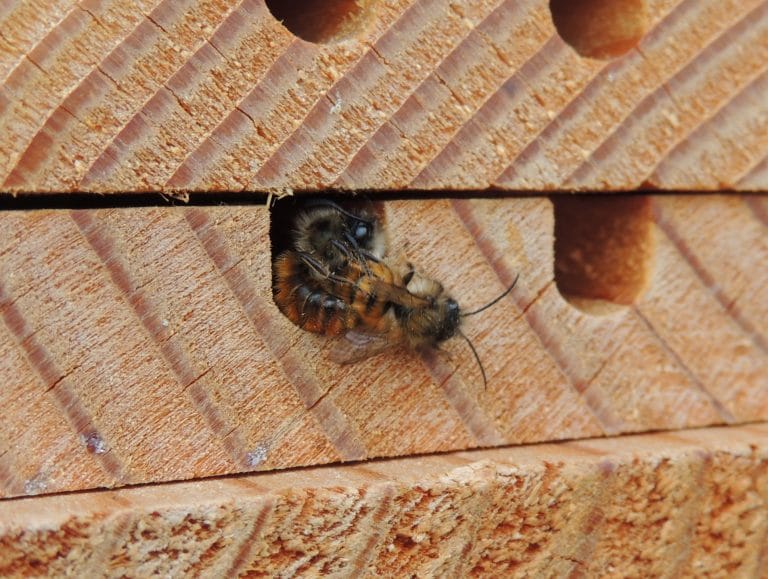
Carpenter bees, also dubbed the ‘wood boring bee’ got their name from their ability to drill through wood and nest inside the hole that they drilled. These bees are honestly some of the most amazing bees in the world due to the fact that their hole is almost always nearly perfectly the same size: half an inch in diameter. How many insects can make a near-perfect circle in a piece of wood? Not many and that is why the carpenter bee is one of the most interesting bees in the world … next to the honey bee of course!
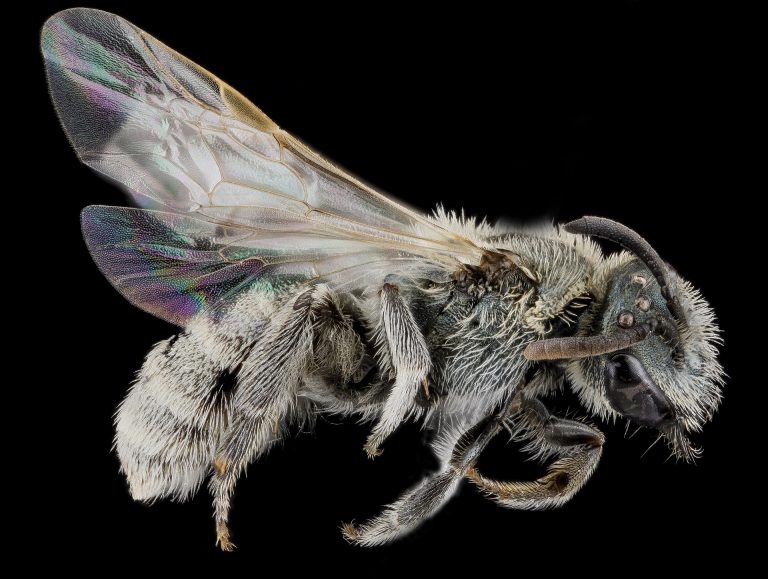
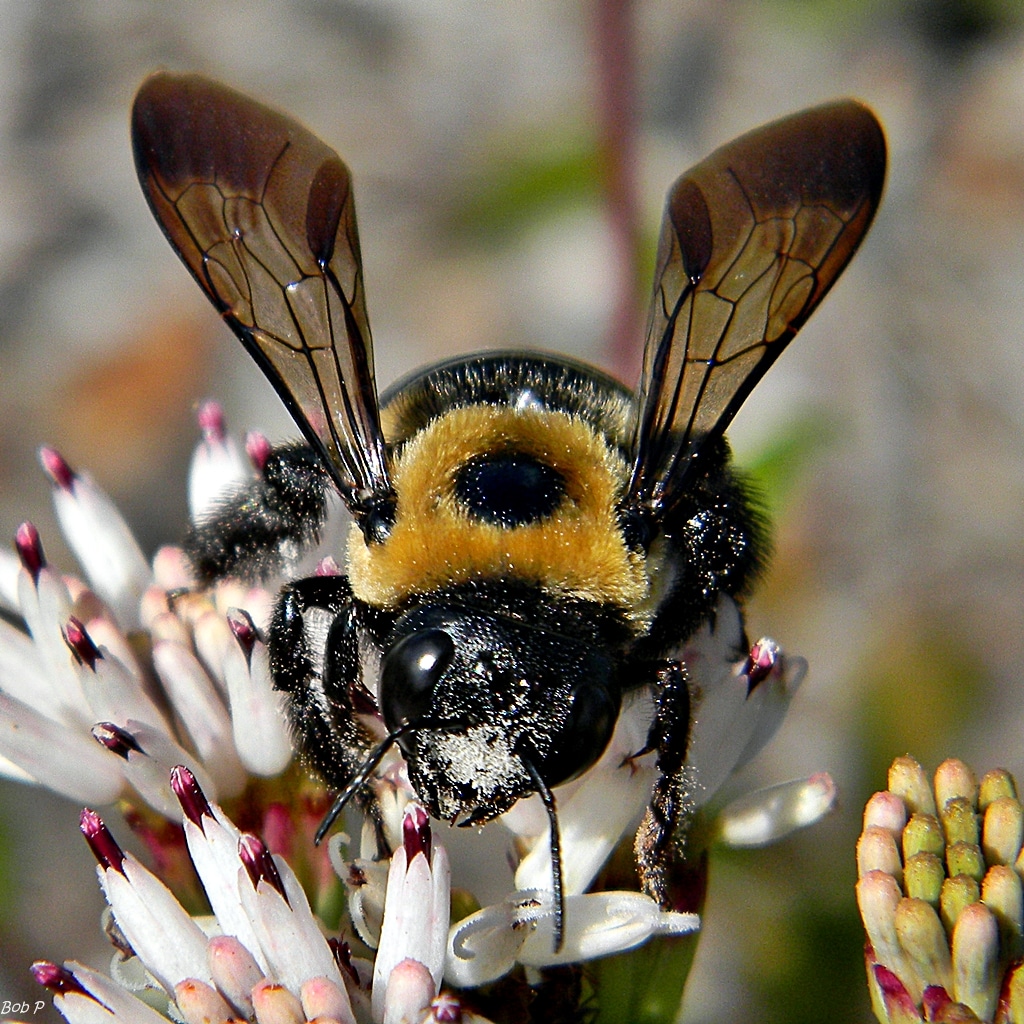
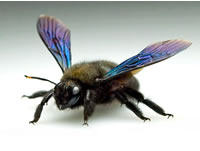
There are many different ways to tell a carpenter bee from other bees. The adult body length is usually about one half of an inch to about one inch and they are so robust they even resemble the bumble bee a little bit. The top surface of the abdomen on the carpenter bee is almost bare and it is going to be shiny. You can tell a male from a female by the color of their face: the male is going to have a yellow face while the female is always going to have a black face. These bees are usually bare and shiny black, though some have a few little yellow markings on the rear.
Carpenter bees can be pollinators as well, so some people offer them bee-homes in their gardens with pre-drilled wood houses.
You will notice many different signs of carpenter bees if you have an infestation at your home. For example, you will begin to notice holes in all of your wooden surfaces, as this is where the carpenter bees will make their nest. This can be in any wood surface anywhere from siding, overhangs, desks, fences and even window frame! Carpenter bees are definitely bees that you should get rid of and not linger on, the longer you wait to get rid of these bees, the more wood they are going to infest.
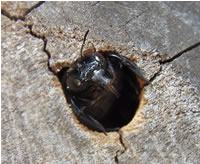
If you are looking for a way to stop the carpenter bees from entering your home and getting to your wood, simply treat your wood. Bare and unpainted wood is definitely something that carpenter bees look for, especially redwood, cedar, cypress and pine. If you cure your wood and make sure to put down some carpenter bee preventative, you should have absolutely no problems with these bees getting anywhere near your wood.
So as you can see, these bees are not only some of the most annoying bees to homeowners but they are pretty interesting too. It is not often that you run into an insect that can drill through wood and seeks to make their nest in wood. Just make sure that you take these few steps in order to prevent these amazing creatures from ruining your wood and you should have no problems with these amazing insects! Just a quick coat of paint or even just a quick coat of stain will definitely protect your wood from being infested with carpenter bees or any other kind of weather issues. Just remember that if you do not treat your wood in the spring, you could end up with carpenter bees!

Having discovered a fondness for insects while pursuing her degree in Biology, Randi Jones was quite bugged to know that people usually dismissed these little creatures as “creepy-crawlies”.