Herb Garden
When writing on “Herb Garden,” I thought you would all be happy if I not only select the most popular garden plants in this category in North America but also provide you with information on how to go about preparing, planting, and caring for them as well. You would do well to plant some of these herbs in your garden and relish their special flavors fresh for your culinary applications.
For your ready information and interest, here are some of the most popular herbs.
BASIL (Ocimum basilicum)
We use them mostly in our sauces, salads, soups, and with meat poultry, and fish. Pesto sauce also uses it as a base.
You can sow basil seeds in a greenhouse or on a sunny window shelf in early spring and transplant them to your garden in early summer. Alternatively, you can sow the seeds in the garden directly.
Chives (Allium schoenoprasum)
Use these chopped leaves that have a sight onion flavor and add them to sauces, sandwich spreads, mashed potatoes, cream cheese, cheese dishes with eggs, and salads. You can use chive flowers in salads.
In spring to fall, sow the seeds 12 inches apart to a depth of half an inch each. When the seedlings develop, thin them to 6 inches apart within rows. If, however, you intend to use plants grown in nurseries, early spring is the ideal time. Plant them at a distance of 9 to 12 inches.
Coriander (Coriandrum sativum)
Coriander provides a special flavor when you grind the dry seeds and add to pork, ham, or veal in your cooking. Young leaves of coriander go by the name cilantro that most people use for seasoning and garnishing. You can freeze the roots and use it to flavor soups or chop them and serve with avocado.
Early spring is the best time for sowing dry coriander seeds. Sow them in rows of 12 inches distance, to a depth of half an inch and when the seedlings establish, thin them to 6 inches apart.
Dill (Antheum Graveolens)
A sharp, bitter taste characterizes the dill seeds and leaves. Dilweed, as we know the fresh or dried leaves, is an excellent ingredient for flavoring soups, salads, meat, poultry, fish, and potatoes, or for use in sandwich fillings.
Early spring is the right time for sowing these seeds and you would do well to space them in rows 9 inches apart and to a depth of a quarter inch.
Fennel (Foeniculum vulgare)
The sweet flavor of the fennel leaves makes it a hot favorite herb for seasoning fish, sauces, and salads. You can also use and enjoy the bulb.
In middle spring you can sow groups of 3 to 4 seeds keeping a distance of 18 inches and a depth of a quarter inch. When the seedlings stabilize, you can thin them to the strongest in each group.
Mint (migration relicense)
Mint leaves are excellent to use in tea or cool drinks. Many mint sauces and jellies use spearmint. You can also sprinkle a few fresh leaves over lamb while cooking.
Autumn or spring is the ideal time to plant root pieces of 4 to 6 inches 12 inches apart to a depth of 2 inches. Since these roots have a tendency to spread, you would do well to form a border with bricks or boards to a depth of 1 foot all round the bed. You could also sink a bottomless bucket into a bed in the garden.
Parsley (Petroselinum crispum)
These leaves are ideal for mixing with salads, stews, soups, omelets and casseroles. You can also use fresh leaves to garnish fish, meat and dishes of onion.
If you want to cut the leaves in summer, you must sow the seeds in mid spring, and sow in midsummer for harvesting in autumn or winter. Before sowing, soak the seeds in water. When the seedlings stabilize, separate them in rows of 9 to 12 inches apart.
Sage (Salvia officinalis)
Dried sage leaves provide an excellent ingredient for stuffing poultry and for seasoning pork, lamb sausage, omelets and dishes with cheese.
Sow seeds in early spring or buy grown plants from a nursery and set them about one foot apart
ROSEMARY (Rosmarinus officinalis)
Rosemary is pungent and has a sweet flavor of resins. This is an evergreen shrub displaying blue flowers and many people use it on top of a wall or in a rock garden. Many people use it to flavor poultry, stews, soups and lamb.
Tarragon (Artemisia dracunculus)
Tarragon plants have long leaves that are light green in color and sport yellowish white or greenish flowers. Make sure to use the French tarragon as its Russian counterpart looks similar but has fewer flavors and is coarser.
Thyme
You can find over 50 varieties of thyme that people use for gardening and in cooking. English thyme is a popular herb used in most dishes. Thyme displays purple to pink flowers and is a perennial shrub with multiple branches.
The Scented Herb Garden
Many herbs provide fragrances used in the perfume industry. Lemon balm, sage and lavender are some of the herbs that one can use in lotions, cooking or in perfumes. Many people plant these herbs so that the foliage can offer you the pleasure of walking through a scented herb garden.
Anise Hyssop (Labatae)
One of the herbs that make its presence felt because of its remarkable licorice scent is the anise hyssop when in bloom. The leaves and flowers of this herb are edible and perfumed and make for an excellent ingredient in tea.
Artemisia (abrotanum)
Sometimes, the decorative appearance of the Artemisia foliage belies its wonderful aroma. The perfumery industry regularly uses the Artemisia leaves, especially that of wormwood (Artemtsia absinthium) and Southernwood or (Artemisia abrotanum)
Lavender
Lavender is a beautiful looking herb with a wonderful fragrance. They also use it in cooking, and many claim that it is a deer repellant. The perfume industry also uses lavender extracts extensively.
Lemon Balm (Melissa officinalis)
This is a rapidly growing shrub with a lemony aroma. You would do well to plant it where it has enough space to spread.
Nepeta (Catmint)
This herb has a fragrance that attracts cats. The only problem is that every cat on the road will find it as well and you are surely in for a problem.
Scented Geraniums
They say you cannot find a more fragrant herb than the geranium. Though not a shrub with flashy flowers, the leaves have a lacy feel and insects or pests rarely attack them. The scent extracted from geraniums includes strawberry, rose, orange, and mint nutmeg, lemon, Lime, ginger, cinnamon and chocolate among many others.
Honeysuckle (Lonicera periclymenum)
Honeysuckle is flowering vine like jasmine with a powerful and beautiful order. It has a lovely fragrance and pretty flowers are excellent for fences or for trellis covering. The perfume industry extracts the scent from the flowers.
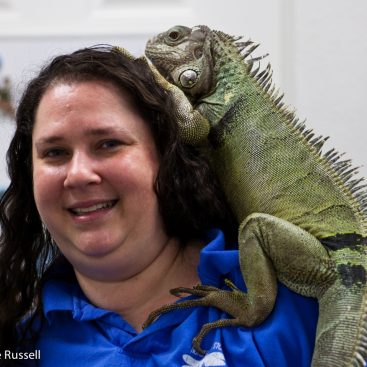
Having discovered a fondness for insects while pursuing her degree in Biology, Randi Jones was quite bugged to know that people usually dismissed these little creatures as “creepy-crawlies”.