Flying Geckos: an Outstanding Reptile to Have As a Pet
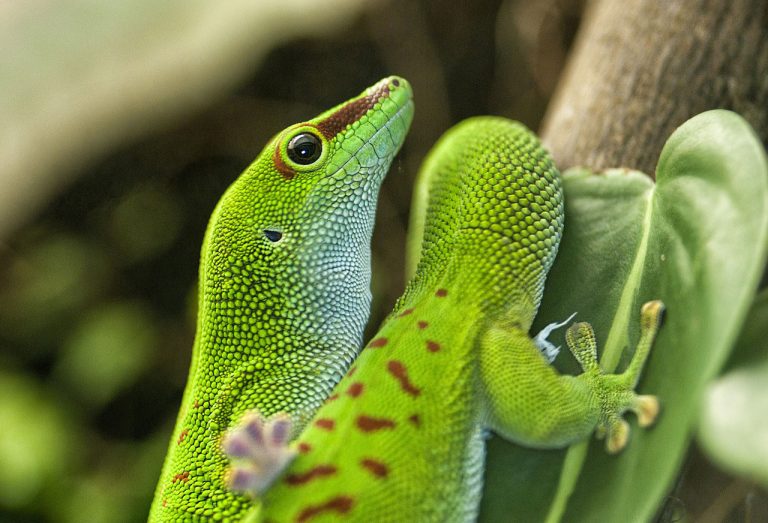
The Flying Geckos (Ptychozoon kuhli) are a rare species though an outstanding reptile to have as a pet. They mostly inhabit Indonesia and its surrounding regions. Being arboreal, they will spend most of their time gliding from one branch to the other in tropical rainforests. Their adaptions to this environment and their extreme leaping habit have earned them the name “flying geckos.”
Anatomy
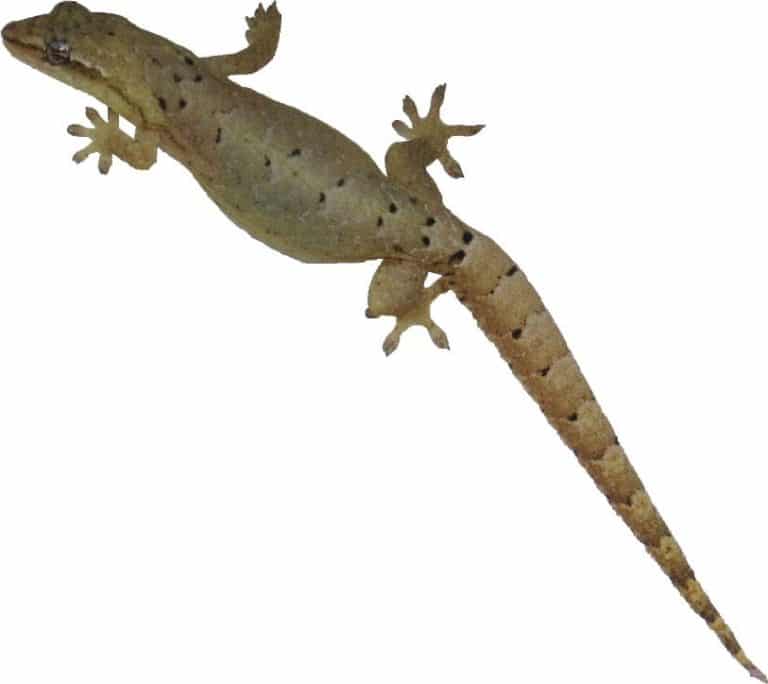
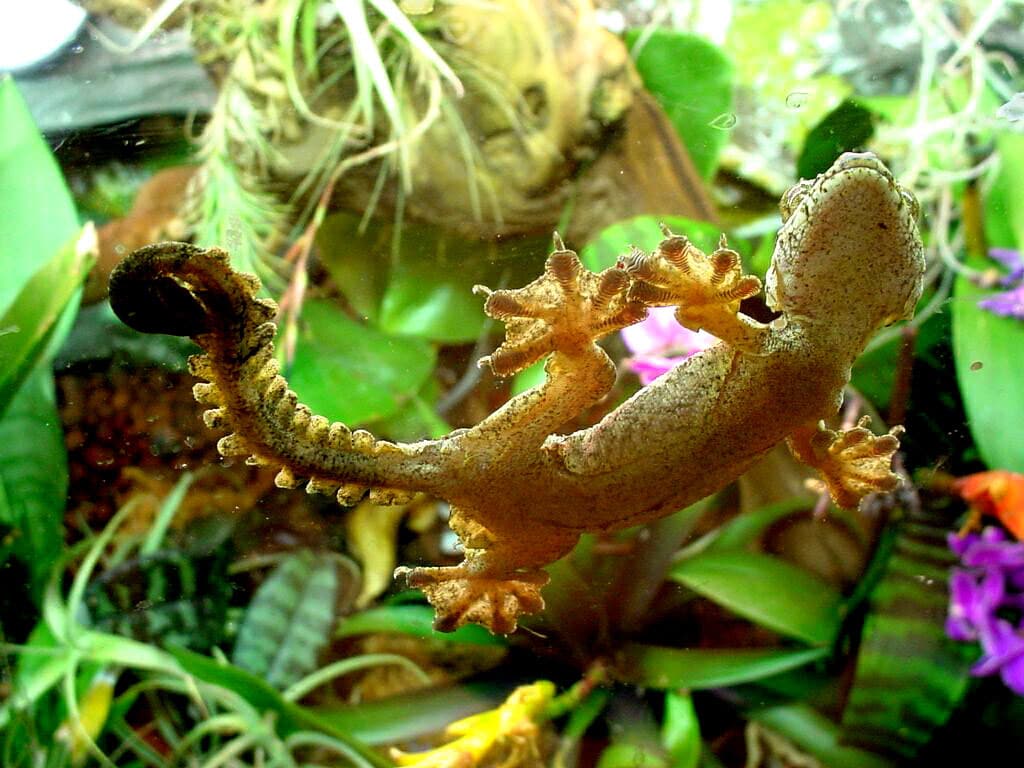
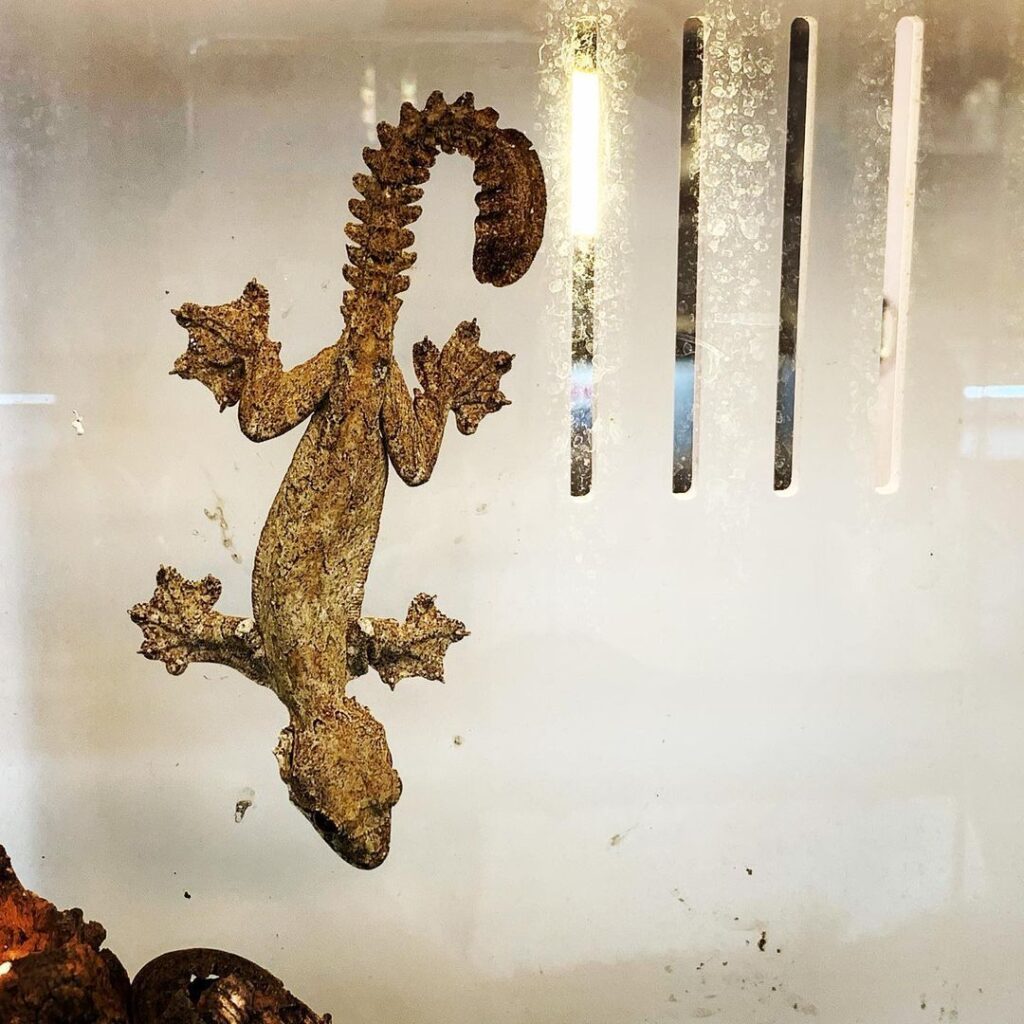
An adult flying gecko will measure about 6-8 inches from head to tail. The tan and black blotches that cover their skin acts as a camouflage in the rain forests. It is wonderful to watch them leap stylistically from one tree to the other, a process many mistake for flying. They have conspicuous webbed feet and a rudder-like tail, which enables them to leap and hold on the branches.
Habitat
To imitate their natural habitat that has abundant vegetation, you should pack the housing densely with foliage throughout the cage. You can use live or imitation plants for this purpose. You can also add rocks to increase the aesthetics of the cage. Provide plenty of hiding places on both sides of the cage, to make these geckos happy.
As a Pet
Flying geckos are magnificent, distinctive pets to own. Their natural habitat is unique as the climatic conditions are more distinct from those of other geckos. It is important to keep the conditions when you construct their pet habitat. Flying gecko care explains why it is difficult for beginners who lack knowledge on care and pet maintenance to maintain these geckos.
Handling
The Flying geckos dislike handing and may leap from the hand. They also portray high mobility and are hard to catch, thanks to their small size. Although not good as pets for children, they are outstandingly beautiful for show off to adults.
Food
You can feed them crickets as the main food source. Others include mealworms, wax worms, phoenix worms as well as silk worms. You can feed them with about five to ten pieces daily or until they reach a point of satiation. Adults, you may feed 15 pieces every three days. To ensure complete nutrition, you should dust the insects with calcium and vitamin powder. You must do this on a regular basis; almost every alternate day.
Housing
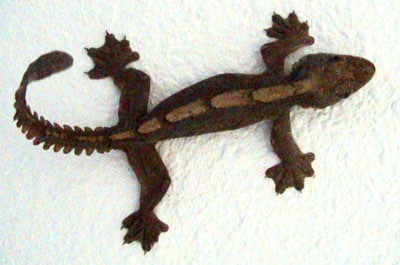
You can house one or two adult geckos in a 15-20 gallon tank. Avoid keeping the males and females together unless you intend to breed them. After hatching, up to about eight months, you can house both males and females together. Since they spend most of their time on trees, keep the cage design height oriented at the expense of horizontal size.
Substrate
Several layers of paper or towel will serve appropriately as substrate. You should regularly replace them when soiled. Non-fertilized potting soil or bed-a-beast substrates will also serve sufficiently.
Heating & Lighting
These geckos originate from warm to hot tropical regions. It is crucial to offer similar temperatures in the cage. You will inevitably have to provide basking areas. 95F should serve well as an average temperature for basking area. You may use a basking light (a special 80-100 watt special bulb will do) to easily achieve the 95F.
Humidity & Water
Since the Flying Geckos need a high level of humidity, you may spray the cage twice a day; in the morning and late at night. Maintain the humidity range at around 60 to 80 % during the day and night. It is not necessary to offer a water bowl, as they will lick the water droplets from misting, for their total hydration.
Breeding
You can find little documented information about reproduction of these species. Since they catch most of them from the wild, there is no substantiated information about breeding.
Having discovered a fondness for insects while pursuing her degree in Biology, Randi Jones was quite bugged to know that people usually dismissed these little creatures as “creepy-crawlies”.