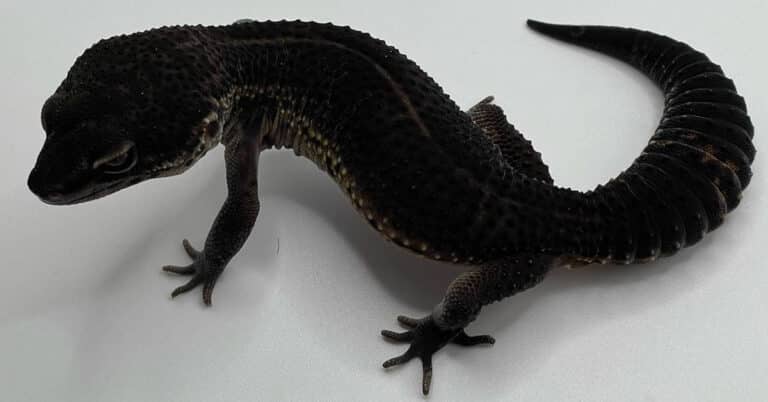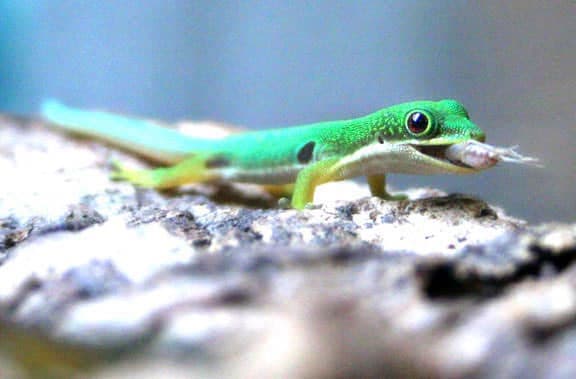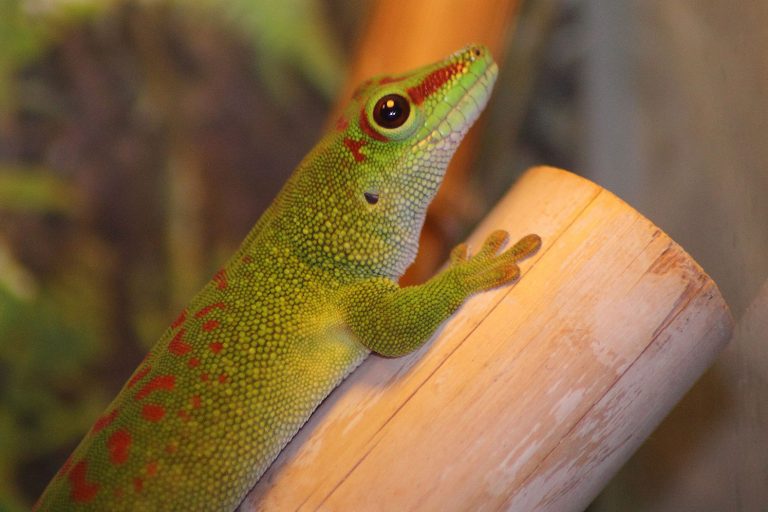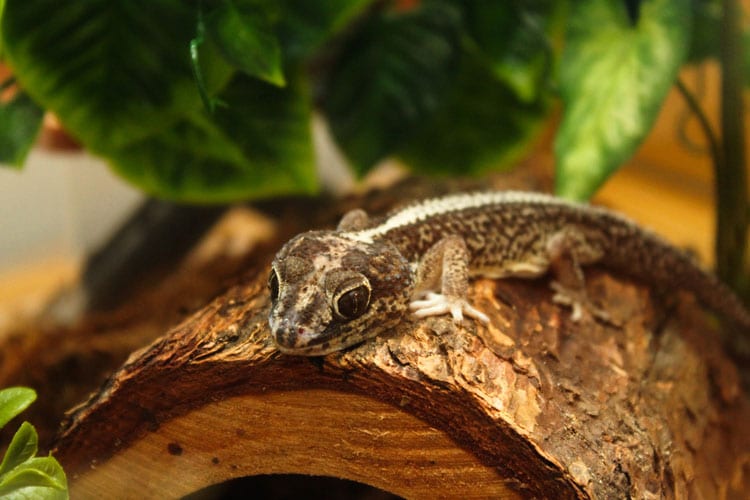
Halmahera Gecko
With a Skin Extremely Delicate for Handling
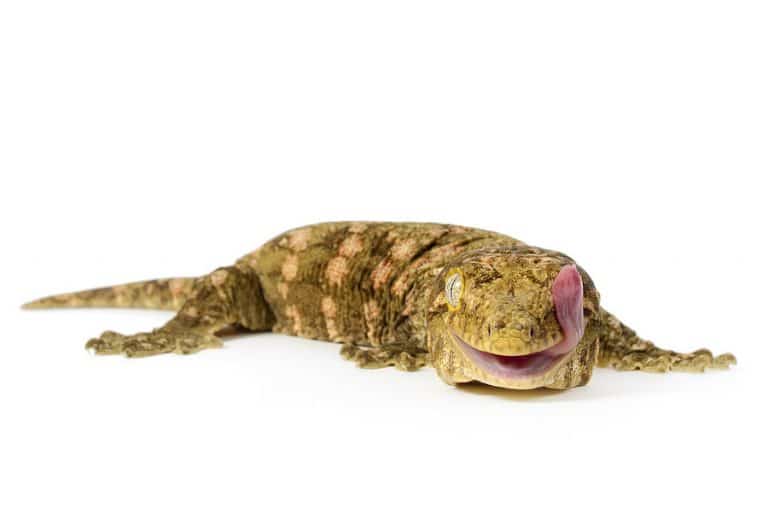
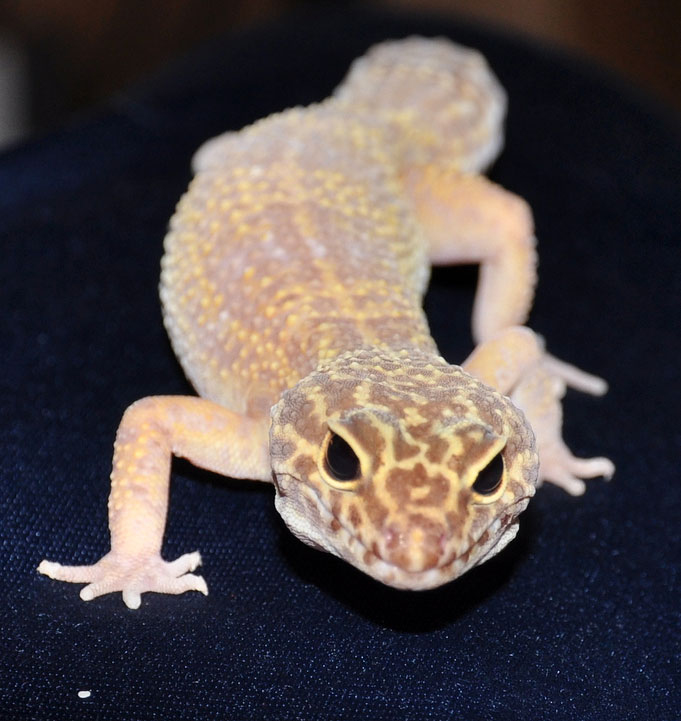
Gehyra marginata commonly known as Halmahera geckos, originate from the hot and humid tropical regions of Asia. Some people call these species Moluccan geckos. Halmahera geckos are common though not as easily found as the leopard geckos. Their skin is very soft and too delicate for handling.
Anatomy
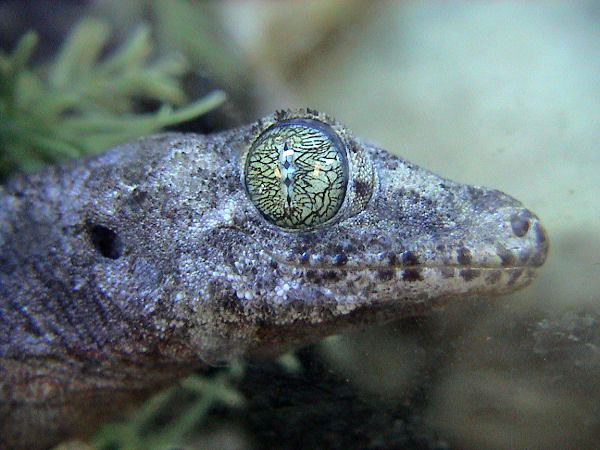
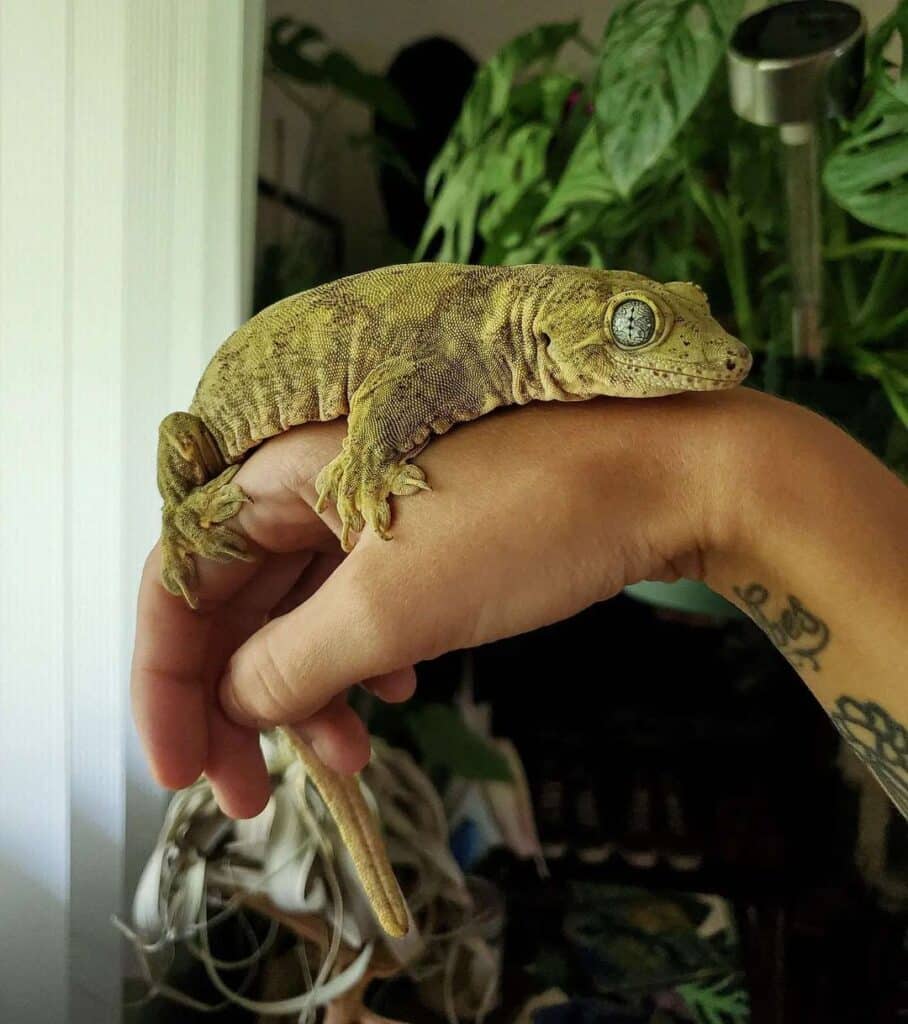
Halmahera geckos are a unique species; thanks to their physical appearance. They have big beautiful green eyes and outstanding grapple-hook claws. Their skin has pronounced wrinkles that are an adaptive feature for camouflage in their habitat to imitate the barks of trees. These geckos create blend so well with the background that you can hardly distinguished them. When relaxed they appear chubby and shuffle, but when scared, they bolt like lightning. They come out as excellent leapers from branch to branch. They are also good at scaling surfaces with the help of their sticky toe pads.
Although there is little documentation about their lifespan, you can expect them to live up to about 15 to 20 years.
As a Pet
Due to their swiftness, delicate skin and hostility when cornered or frightened, the Captive Bred Halmahera geckos prove good pets only for the patient and determined few. They are not good pets for children and handling them is difficult because of their delicate skin. They are therefore, wonderful pets only for display.
Housing
You can house a single adult Halmahera Gecko comfortably in a 20 to 30 gallon aquarium. They need more vertical space than horizontal because of their arboreal nature. Keep a permanent and secure lid in place always. You should make sure to keep the tank locked to avoid the risk of predators entering and harming the geckos. Use fake silk plants with suction cups, cork bark and paper towels for providing the indispensable hiding places for the geckos.
Substrate
Paper towels are a perfect substrate as they are not only easy to replace when soiled but also easy to monitor poop. Other usable substrates include peat moss; eco-earth and sphagnum moss although they are risky for impaction (digestive tract blockage), but are not toxic. However, they help to maintain humidity levels high. You should not consider Sand, walnut and bark, as they are dangerous and not conducive to the Halmahera geckos.
Water
The weather conditions in the cage should imitate the hot humid tropical climate, which you can achieve by misting lightly during the day and intensify it during the night, to maintain humidity levels at a high. The geckos will lick drops on leaves and branches for their hydration. You can use a spray bottle filled with de-chlorinated water for this purpose. Also, make sure to offer a bowl of clean water in the cage and see that you change the water every day to prevent bacteria growth. Since they commonly defecate in the water, you must keep a close watch water quality in the bowl.
Food
The Halmahera geckos are insectivorous and you can feed them twice a week, on common insects such as Dubai roaches, crickets, meal worms, super worms (for adults), goliath worms, silk worms, rusty-red Turkish roaches and the like. Avoid feeding them with fat contributing wax worms, rats and pinky mice. In addition, never make the mistake of feeding them with baby as it may cause metabolic Bone disease.
Temperature
Ectotherms need external temperature regulation for optimal health. These geckos will require a temperature range of 75 to 80 Fahrenheit during summer and 70 to 75 Fahrenheit during winter. Although they seem hardy reptiles, they will need ample care and a basking spot with temperature of about 80 Fahrenheit the temperature should always stay lower than 85 Fahrenheit to avoid stressing them. During winter seasons, air is drier, and therefore, you need to mist the cage thrice a day.
Handling
Familiarizing yourself with the gecko should start at a tender age. This enables the gecko to gain trust on the keeper. However, they always choose a flight response when provoked. You should take a lot of care when handling these amazing geckos.
Having discovered a fondness for insects while pursuing her degree in Biology, Randi Jones was quite bugged to know that people usually dismissed these little creatures as “creepy-crawlies”.