Electric Blue Day Geckos- Beautiful Little Diurnal Geckos
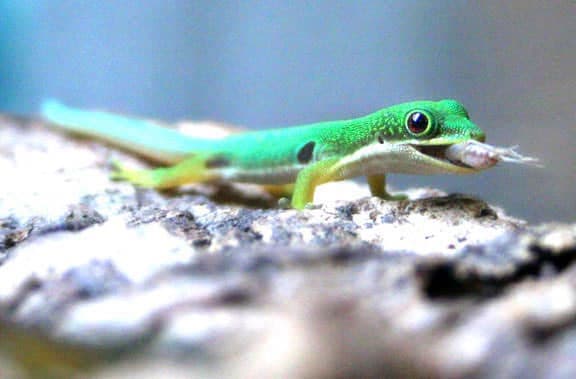
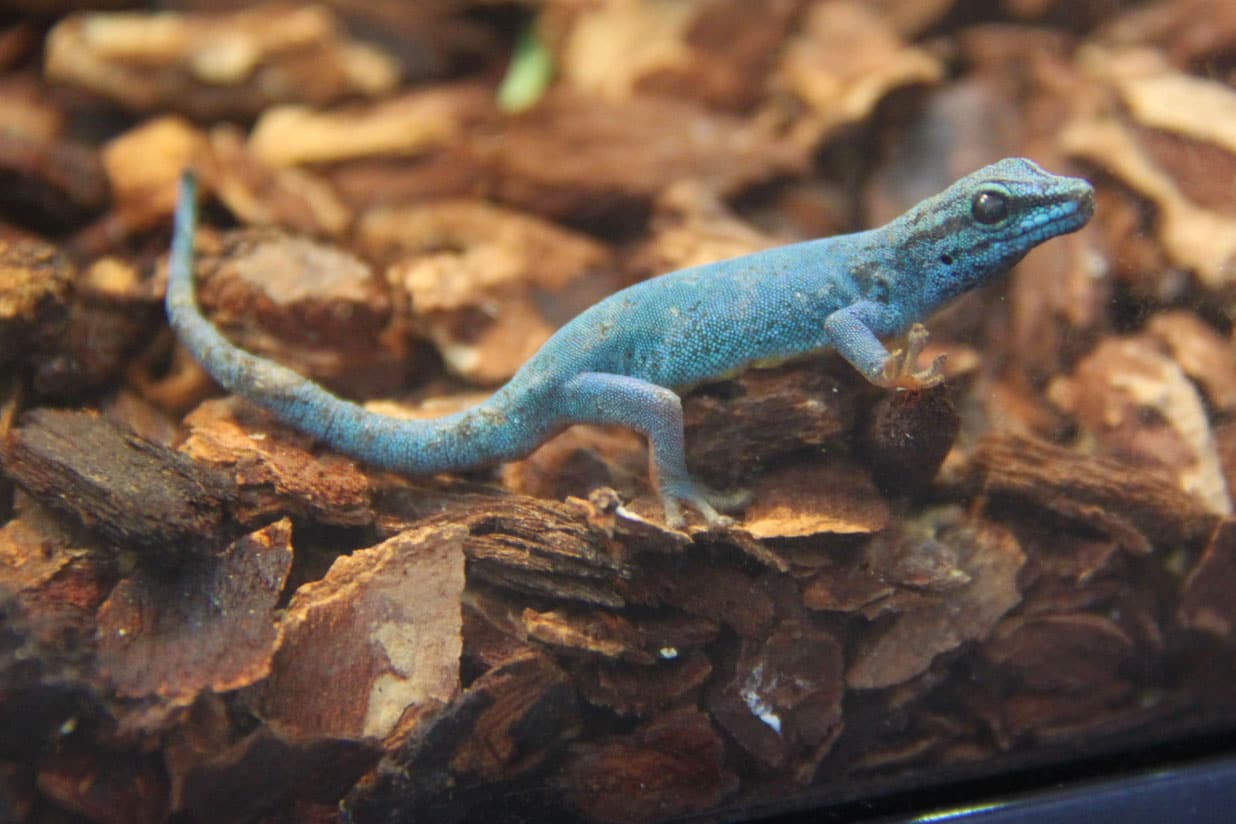
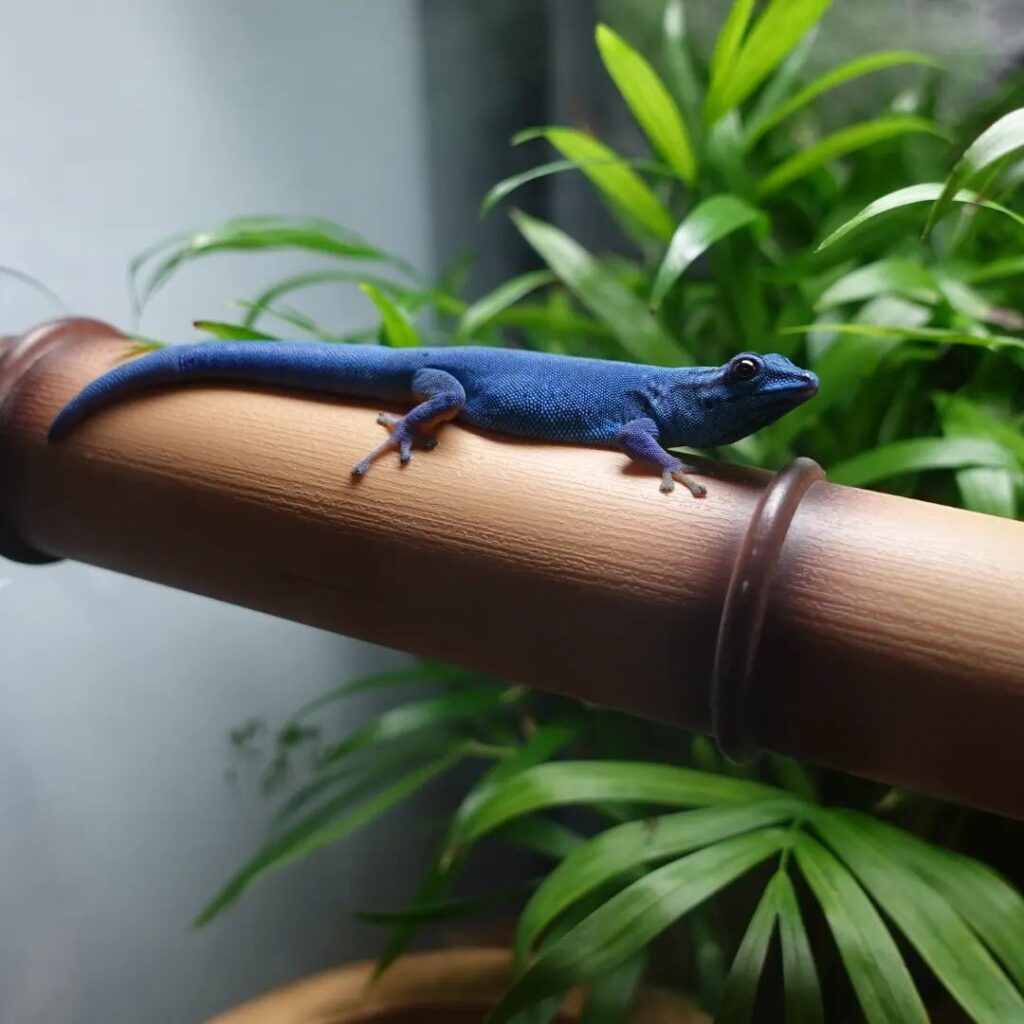
Electric Blue Day Geckos (Lygodactylus williamsi) were a rare species to find until their recent discovery. They are beautiful little diurnal geckos and portray marked dimorphism. The Electric Blue Day geckos are similar to many other dwarf gecko species. Mostly, one will find them in eastern Tanzania. There is little information about them in the wild.
Anatomy
Since these reptiles belong to the category of dwarf geckos, they will rarely exceed a total length of 2.5 inches. Although little is known about them due to their late influx into the hobby trade, one can expect a life span of about 5 to 10 years.
As a Pet
Housing
The least size of an enclosure should support a size equal to a Zoo MED Medium Naturalistic Terrarium. If space is available, it will be better to house them in larger cages. They are also will prefer this because they will live better and grow healthier in larger spaces similar to their vast natural habitat, where they tend to move long distances in search of food and mates. It is also possible to house these reptiles in traditional glass aquariums although it may prove difficult to run a daily maintenance without a front opening on the cage.
Substrate
The substrate used will depend on the design of the cage. To meet the gecko’s needs admirably, one should set up a planted naturalistic vivarium, also called a terrarium. This also serves to beautify the view of the cage.
Caging
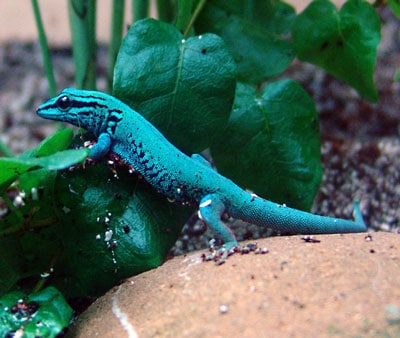
One should not forget the natural habitat and behavior of the Electric Blue Day Geckos. It is evident that these small-sized geckos are naturally shy. It is therefore important to offer adequate hiding places and foliage. Vertical hiding places will be perfect, as they will provide climbing places. You can use Zoo MED Cork Rounds and Bamboo Hollows. Since the main goal is to imitate the natural habitat, cylindrical hiding places enables them to retreat to the hiding places opposite to where they are, when they feel threatened. Such hiding places will enable them to follow their natural instincts.
Heating & Lighting
A lot of light and UVB are a must because these reptiles love sunshine. One can either use fluorescent strip lighting such as Zoo MED Reptisun combined with a basking light such as the Zoo MED Basking bulb or halogen light.
Humidity & Water
Electric Blue Day Geckos inhabit tropical zones. It is therefore important to provide adequate humidity. Mist the cage daily and maintain a bowl of clean water in the cage. You can use a pressure sprayer to add humidity in the cage.
Food
These Electric Blue Day geckos will readily feed on common feeder insects such as fruit flies, small crickets, wax worms, reptiworms, and hornworms. They feed on a range of insects in the wild, and you can make up any shortage of insects by using supplements such as good quality reptile calcium (containing D3) and multivitamins. For egg laying geckos, you should offer calcium at every feeding and on alternate feeds for the other geckos.
Handling
You would do well not to handle these blue day geckos though they are very cute and typically brave.
It will be best to interact with them by means other than handling, as they stress easily due to their small size. There are some anecdotal accounts where males will tend to become bold and feed from the keeper’s hand. Some may even climb in the keeper’s hand to bask while they work in the cage. Therefore, use patience to habituate to feel no thereat in the keeper’s presence.
Having discovered a fondness for insects while pursuing her degree in Biology, Randi Jones was quite bugged to know that people usually dismissed these little creatures as “creepy-crawlies”.