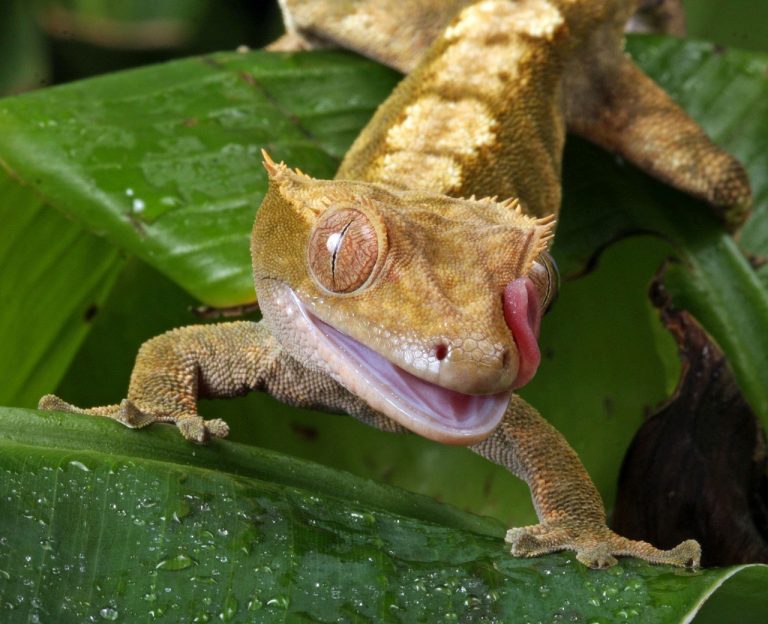
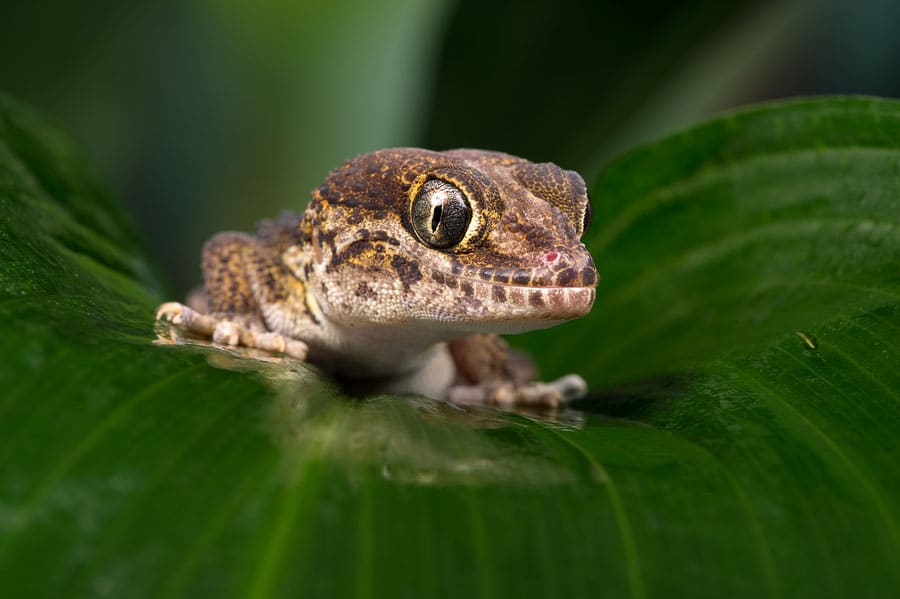
Pictus Geckos
Bred Successfully In Captivity by Many Breeders
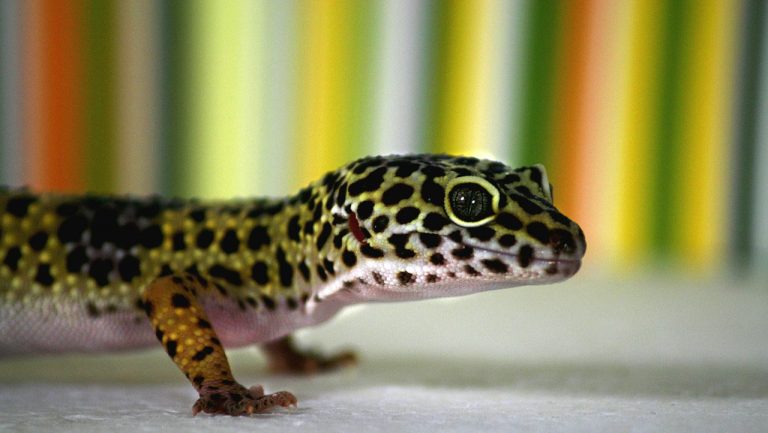
Pictus Geckos, with the scientific name Paroedura pictus, hailing from the South Madagascar scrubland and coastal areas are land dwellers. Some people also call them painted ground geckos, Ocelot geckos & Panther Ground geckos.
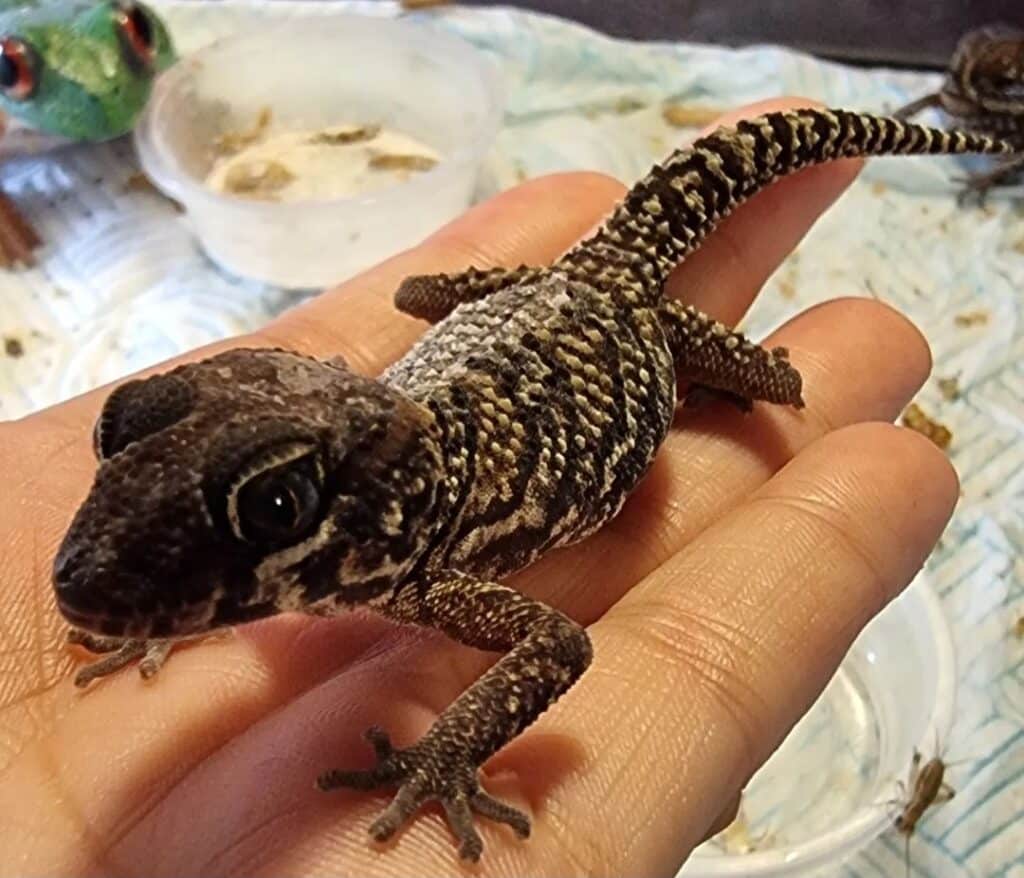
Anatomy
Compared to other geckos they are smaller. Normally adults attain 4-6 “, and reach 8” if properly taken care of. With good care, they survive up to 10 years in captivity. These geckos normally exhibit two pattern stages and colors, and the breeders are busy developing them in new and exciting color combinations.
Natural Habitat
These land dwelling geckos inhabit the coastal areas and scrublands.
As a Pet
Many breeders have bred the Pictus gecko in captivity very successfully over the years and most of them become well adjusted to their new environment, if you take care to keep the conditions of their original habitat. If you follow the Pictus Gecko care sheet, you will have no problems.
Housing
The Pictus geckos prefer horizontal shaped vivariums made of either glass or wood either a big (18” x 12” x 7”) or (18” or 24” L x 12” W x 10” H) perspex fauna enclosure. Avoid tall perching, since falling is fatal to them. For Pictus Geckos, each owner has his or her own preference for substrate. Avoid any type of sand where there is a threat of collision.
Substrate
Many experts feel that coco fiber, a recently introduced product has formed the ideal substrate because it is sterile, organic and possesses the advantage of holding the water down. This substrate retains moisture at the bottom, maintaining a dry upper surface, permitting a comparatively good relative humidity.
Lighting, Temperature & Humidity
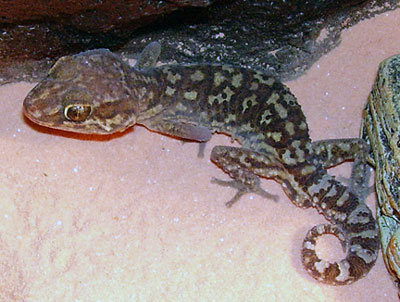
Pictus Geckos prefer a temperature of 27 to 31° C at day and 5°C lower at night and 50– 80% relative humidity.
Most of us understand that lighting is not necessary for night living geckos, but providing a 2% mild UV emitting lamp shows the great difference in their welfare and health. To program the lighting, you can choose from a variety of good electronic timers. You should spray the vivarium with water spray every day to keep up the humidity levels. However, you must spray more often in summer. Always keep a shallow bowl of fresh water available. You should make sure that the substrate always retains a minimum level of water at its bottom.
Feeding
The favorite Pictus Geckos diet is a good variety of gut-loaded insects. The proper staple food consists of five to seven convenient sized crickets per feed, and as a change of diet, you can feed them wax worms. . Dust the live feed with good powdered vitamins every alternate feed. In the vivarium keep a tiny piece of vegetable (fresh greens, carrot etc.), which makes a food source for those insects that are free. This ensures that your geckos do not come to harm when they sleep. Besides, this provides the insects and gut loads them for the geckos. Calcium is an important factor in promoting the health of not only the adult Pictus geckos, but also for the young and the hatchlings.
Breeding
Breeding Pictus Geckos from two to three months is unexpectedly easy. Males have conspicuous bulges at the bottom. They are bigger than the females and stockier. At 7 to 10 months, they attain sexual maturity, but cause problems when you breed them at a very young age. For females possessing sufficient weight (20g+) and good health, a highly suggested minimum age is 12 months.
After hatching, 3 – 4 clutches of eggs, separate the male from the female and give it time for recuperation and rest. Female Pictus geckos can retain enough sperm and use it for fertilizing future eggs. As a result, you can see fertile eggs appearing long after the last mating. On a substrate of moist coco fiber or other medium, maintain an incubator at about 28°C for 6 to 8 weeks that is the incubation time.
Handling
They are docile and keepers rate them as good pets, but avoid handling as they have a tender skin.
Having discovered a fondness for insects while pursuing her degree in Biology, Randi Jones was quite bugged to know that people usually dismissed these little creatures as “creepy-crawlies”.