Yellow Ladybug – Biological Characteristics Of “Lucky” Beetles
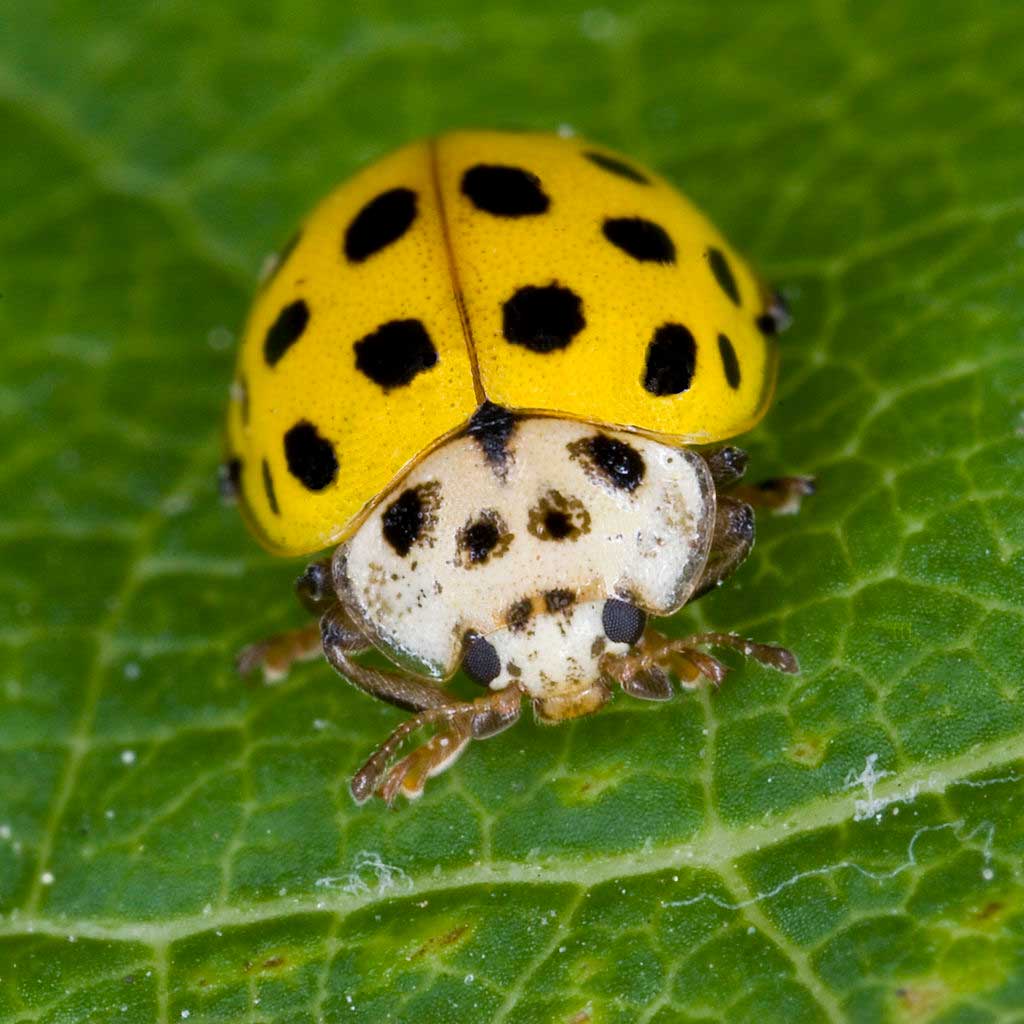
Yellow ladybugs are ladybird beetles with yellow wing covers, usually decorated with black spots or patches. They are not one single species but several different kinds in the ladybug family, Coccinellidae. Many of them are helpful garden visitors, and in many cultures they are a symbol of good luck.
Yellow ladybug Quick Facts
| Common name | Yellow ladybug |
| Scientific name | Coccinellidae |
| Kingdom | Animalia |
| Phylum | Arthropoda |
| Class | Insecta |
| Order | Coleoptera |
| Type | Insect (ladybug beetle) |
| Diet | Aphids, mildew or leaves, depending on species |
| Habitat | Gardens, meadows, fields, forests and dunes |
| Native range | Different species on every continent except Antarctica |
| Size | Usually 2 to 5 mm long |
| Colours | Pale cream to bright yellow with black spots or patches |
| Special feature | Warning colors and bitter fluid that deter predators |
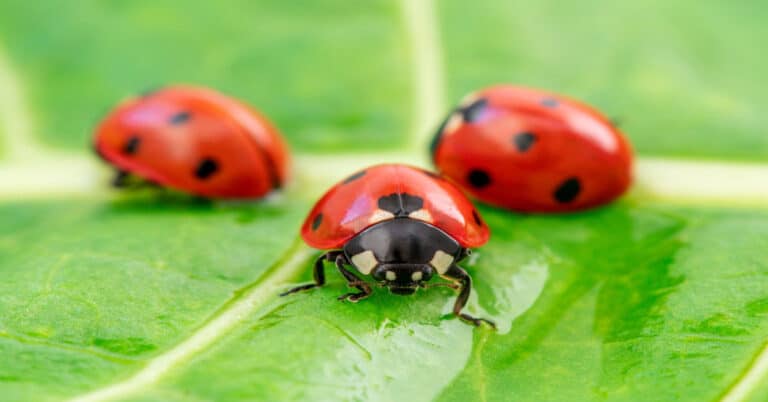
There are more than 6,000 species of ladybugs around the world. The best-known are red ladybugs, but ladybugs also come in orange, pink, black, white and yellow.
Many Names for One Little Beetle
In North America, people usually say ladybug or lady beetle. In Britain they are called ladybirds, and in the old Norfolk dialect of England they were known as bishy-barnabees. A popular myth says you can tell a ladybug’s age by counting its spots, but that is not true. The number of spots depends on the species.
What Do Yellow Ladybugs Look Like?
Like all ladybugs, yellow ladybugs have a round, dome-shaped body, six short legs and short antennae. Most are tiny, usually between 2 and 5 mm long, which is smaller than a pea. Their bright wing covers, called elytra, protect the thin flying wings folded underneath.
Depending on the species, they may have round spots, square spots that join together, stripes or almost no markings at all. Their shade of yellow can range from pale cream to deep golden yellow.
Why Are They So Brightly Colored?
Ladybug color patterns are set by their genes, and they work as a warning. When attacked, many ladybugs ooze a smelly, bitter yellow fluid from their leg joints. Predators that taste one learn to link the bright colors with a nasty flavor and leave them alone.
Kinds of Yellow Ladybugs
Many yellow ladybugs are named after the number of spots they usually have, although the exact number can vary.
14-Spotted Lady Beetle
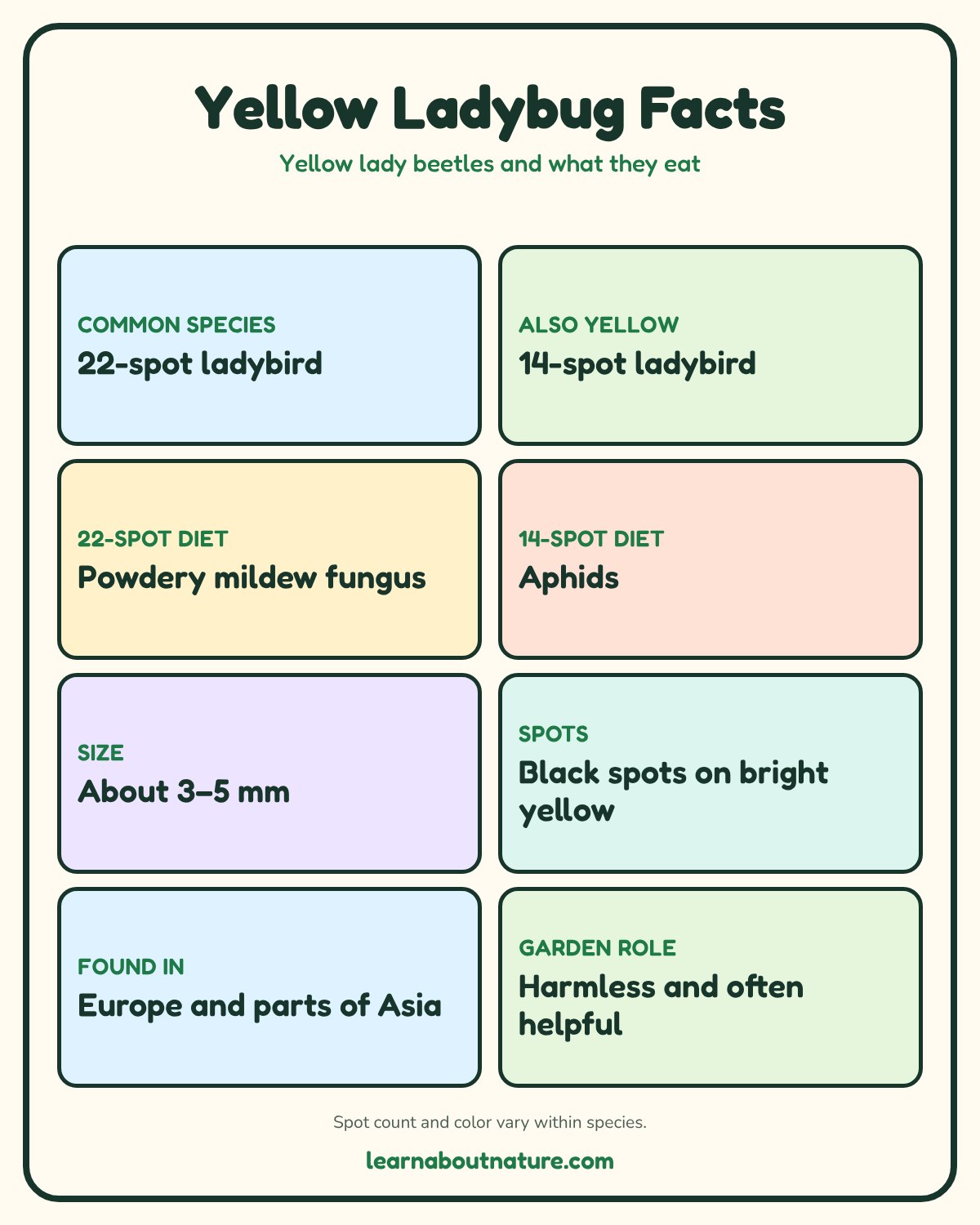
The 14-spotted lady beetle (Propylea quatuordecimpunctata) is a member of the Coccinellidae family that is about 3.5 to 4.5 mm long. It is yellow to orange with squarish black spots that often join up. It lives in fields, meadows, gardens and forests across Europe and Asia and was introduced to North America. It eats aphids.
16-Spotted Ladybird
The 16-spotted ladybird (Tytthaspis sedecimpunctata) is cream to pale yellow with black spots. It likes dry, grassy places such as sand dunes and meadows. Instead of hunting aphids, it mostly eats mildew and pollen, along with tiny creatures like mites and thrips.
22-Spotted Ladybird
The 22-spotted ladybird (Psyllobora vigintiduopunctata) is one of the brightest. It is lemon yellow with round black spots that do not touch, and it is about 3 to 5 mm long. It is found in Europe and parts of Asia. This ladybird does not eat aphids at all. It eats mildew on low plants such as hogweed and other umbellifers.
Squash Lady Beetle
The squash lady beetle (Epilachna borealis) is yellow to orange with large black spots. Unlike most ladybugs, it is a plant eater. Both the adults and larvae chew the leaves of squash, pumpkins, zucchini and other members of the gourd family, so farmers in North America see it as a pest.
It is sometimes confused with the spotted cucumber beetle, which feeds on the same plants. Females lay clusters of yellow eggs on the undersides of the leaves.
Fungus-Eating Ladybird
The fungus-eating ladybird (Illeis galbula) is native to Australia and has spread to New Zealand. It is about 4 to 5 mm long and bright yellow with black markings. Adults and larvae graze on powdery mildew growing on pumpkin, zucchini and cucumber leaves, which makes them good friends to gardeners.
What Do Yellow Ladybugs Eat?
Yellow ladybugs have different diets depending on the species. Many, like the 22-spotted ladybird, eat mildew, a fungus that grows as a white powder on leaves. Others hunt aphids, tiny sap-sucking insects that damage plants. A few, like the squash lady beetle, eat leaves.
Aphid-eating ladybugs are very useful. A single ladybug may eat thousands of aphids in its life, which helps protect crops and gardens.
Life Cycle
Ladybugs go through four stages: egg, larva, pupa and adult. The female lays small clusters of yellow eggs on leaves, often near food. The eggs hatch in about a week.
The larvae look nothing like adults. They are long, spiky and usually dark with pale markings, a bit like tiny alligators. They eat and grow for a few weeks, shedding their skin several times, then attach themselves to a leaf or stem and become a pupa.
When the adult first comes out of the pupa, it is soft and pale. Over the next hours and days its wing covers harden and its full colors and spots appear.
Behavior and Predators
When the weather turns cold, many ladybugs gather in large groups to hibernate in sheltered spots, such as under bark or in leaf litter. Some return to the same places year after year, probably guided by scent.
Ladybugs are eaten by birds, spiders, wasps, dragonflies, frogs and other amphibians. Besides their warning colors and bad taste, they can play dead, tucking in their legs and dropping to the ground until danger passes.
Do Yellow Ladybugs Bite?
Ladybugs have small jaws for chewing food, and once in a while one may give a tiny nip. Yellow ladybugs have no venom and are harmless to people and pets.
Ladybugs and People
Some native ladybugs are becoming less common because of habitat loss, pesticides and competition from introduced species like the harlequin ladybird. Planting flowers, leaving some wild corners and avoiding sprays all help ladybugs thrive.
Yellow Ladybug Symbolism
People have long linked ladybugs with good fortune. Red ladybugs are often said to stand for protection and personal power, while yellow ladybugs are linked with joy, happiness and success. In many places, people say a ladybug landing on you will bring good luck, and that hurting one is unlucky.
Whether or not they bring luck, yellow ladybugs are colorful, mostly helpful beetles that are always a treat to spot in the garden.
Yellow ladybug FAQs
Are yellow ladybugs poisonous?
Yellow ladybugs are not dangerous to people. When threatened they release a bitter-tasting fluid that keeps predators away, but it is harmless to touch, although it can leave a small stain.
What do yellow ladybugs eat?
It depends on the species. Many eat mildew, a fungus on leaves. Others eat aphids, and a few, like the squash lady beetle, chew plant leaves.
Do yellow ladybugs bite?
Ladybugs can give a very tiny nip, but they have no venom and cannot harm you. Most of the time you will not feel anything.
Does a yellow ladybug mean good luck?
In many cultures, ladybugs are seen as lucky, and yellow ones are linked with joy and happiness. This is a tradition, not science, but it is a fun belief.
Do the spots on a ladybug tell its age?
No. That is a myth. The number of spots depends on the species, not the beetle’s age.

Randi Jones is the owner and founder of the Nature Gift Store, an online retailer specializing in nature-themed gifts, educational science projects, live animal nature kits and real butterfly artwork. A biology graduate who fell in love with insects, she founded the company in 2001 to make active learning about nature fun, accessible and engaging for children and adults. Her store offers real butterfly frames, home and garden decor and educational live animal kits, including ant farms, worm farms, tadpoles, ladybugs and hermit crabs, and she runs a bug museum in Washington featuring live animals like Eddie the Iguana alongside other reptiles and insects. Randi wrote most of the guides on this site. They first appeared on her long-running nature sites, including Monarch-Butterfly.com, Ladybug-Life-Cycle.com, Frog-Life-Cycle.com, Dragonfly-Site.com and Butterfly Pictures, which have now been brought together here at Learn About Nature.