Dung Beetle

Dung beetles are beetles that eat animal poop, or dung. That might sound gross, but they are some of the most useful insects on Earth, cleaning up waste, feeding the soil and helping plants grow.
Dung beetle Quick Facts
| Common name | Dung beetle |
| Type | Insect (beetle) |
| Diet | Dung (animal poop); some eat rotting fruit, fungi or carrion |
| Habitat | Grasslands, forests, farms and deserts |
| Native range | Every continent except Antarctica |
| Size | From a few millimeters to about 6 cm |
| Special feature | Some roll dung balls and steer by the Milky Way |
What is a dung beetle?
Dung beetles are part of a huge group of beetles called scarabs (family Scarabaeidae), which includes around 30,000 species. Most true dung beetles belong to one subfamily, the Scarabaeinae, with several thousand species. A few other beetle groups, such as earth-boring dung beetles, also feed on dung. Dung beetles live on every continent except Antarctica, in forests, grasslands, farms and deserts.
What do dung beetles look like?
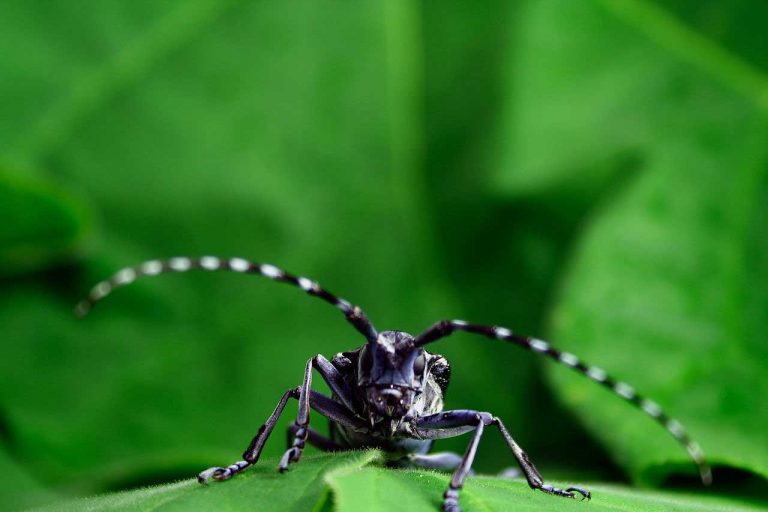
Like every scarab beetle, a dung beetle has a sturdy, rounded body, short clubbed antennae and hard wing covers. Many are black or brown, but some shine in metallic green, blue, copper or purple. They range from just a few millimeters long to around 6 cm for the biggest species.
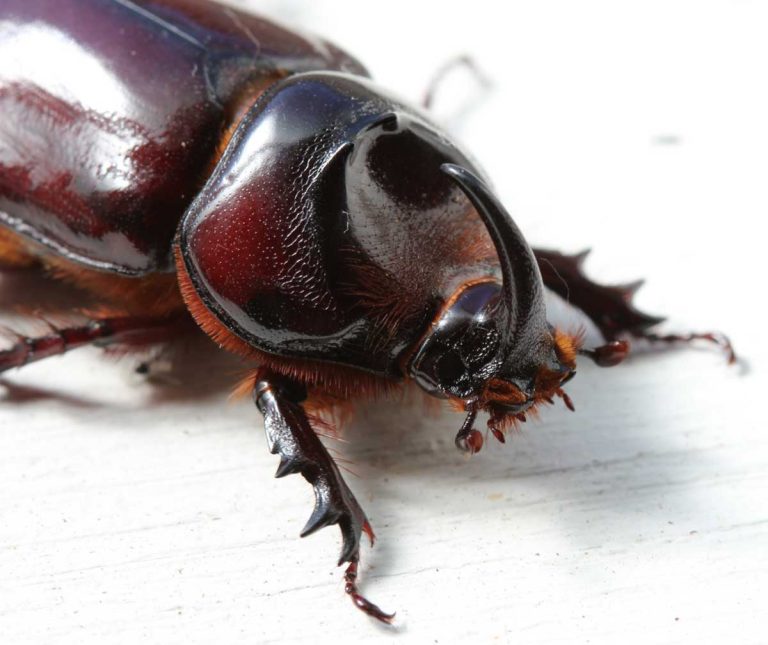
Their bodies are built for working with dung. The front edge of the head is broad and often toothed, like a little shovel, and is used for scooping and shaping dung. The front legs are strong and spiky for digging. In ball-rolling species, the back legs are long and help hold the ball while the beetle pushes it.
In many species, the males have horns on their heads or thoraxes. They use these horns to fight other males, especially inside tunnels where females are nesting. Females usually have small bumps instead of horns.
Rollers, tunnelers and dwellers
Scientists sort dung beetles into three main groups by how they handle dung:
- Rollers shape dung into a ball and roll it away from the pile, pushing it backward with their back legs, then bury it.
- Tunnelers dig a tunnel right under the dung pile and pull dung down into it.
- Dwellers simply live and lay their eggs inside the dung pile.
Rollers have amazing navigation skills. Scientists have found that some African dung beetles use the sun, the moon and even the glow of the Milky Way to roll their balls in a straight line, so they can get away from the crowded dung pile quickly.
What do dung beetles eat?
Adult dung beetles mostly drink the nutrient-rich liquid from fresh dung, especially dung from plant-eating animals. Their larvae eat the solid parts. Some species also feed on rotting fruit, dead animals or decaying fungi like mushrooms. Many dung beetles are attracted to lights at night, so you might spot them near a porch light in summer.
Life cycle
Dung beetles go through complete metamorphosis: egg, larva, pupa and adult. A female lays her eggs in balls or packed lumps of dung called brood balls, usually buried underground. In many species, the male and female work together to dig the nest, with the male often bringing dung while the female builds and shapes the brood balls.
Each larva hatches inside its own food supply. It is a soft, C-shaped grub that eats the dung around it, grows, and then turns into a pupa. Finally, a new adult digs its way up to the surface and flies off to find fresh dung of its own. Dung beetle parents lay far fewer eggs than most insects, but they give each one a safe home and plenty of food.
Behavior: helpers or thieves?
In the 1800s, the French naturalist Jean-Henri Fabre spent years watching dung beetles. People once believed that when a beetle got stuck, other beetles came to help push its ball. Fabre discovered something sneakier: the so-called helpers were often trying to steal the ball. Fights over dung balls are very common, because fresh dung can be hard to find.
Dung beetles are also super strong. One horned species, Onthophagus taurus, can pull more than 1,000 times its own body weight, making it one of the strongest animals for its size.
Why dung beetles matter
Dung beetles are not pests. In fact, they are a big help to people and nature:
- They bury dung, which puts nutrients back into the soil and helps plants grow.
- Their tunnels let air and water into the soil.
- Removing dung reduces flies and parasites that bother farm animals.
- Some buried dung contains seeds, so they help spread plants.
- Ranchers save a lot of money because pastures stay clean and healthy.
Australia even brought in dung beetles from Africa and Europe, because its native beetles were used to kangaroo droppings and could not keep up with the large cow pats left by cattle.
Dung beetle FAQs
Why do dung beetles roll balls of poop?
Rolling species shape dung into balls so they can move food away from the crowded pile and bury it. Buried balls are used as food or as brood balls, where a female lays an egg.
Are dung beetles harmful?
No. Dung beetles do not bite people or damage crops. They help farmers by burying dung, feeding the soil and reducing flies and parasites.
How strong is a dung beetle?
Very strong for its size. The horned dung beetle Onthophagus taurus can pull more than 1,000 times its own body weight.
How do dung beetles find their way?
Ball-rolling dung beetles use the sun, the moon and, for some African species, the glow of the Milky Way to roll their balls in a straight line.
Where do dung beetles live?
Dung beetles live on every continent except Antarctica, anywhere animals leave dung, including grasslands, forests, farms and deserts.

Randi Jones is the owner and founder of the Nature Gift Store, an online retailer specializing in nature-themed gifts, educational science projects, live animal nature kits and real butterfly artwork. A biology graduate who fell in love with insects, she founded the company in 2001 to make active learning about nature fun, accessible and engaging for children and adults. Her store offers real butterfly frames, home and garden decor and educational live animal kits, including ant farms, worm farms, tadpoles, ladybugs and hermit crabs, and she runs a bug museum in Washington featuring live animals like Eddie the Iguana alongside other reptiles and insects.