Alligator Lizard
Scientific Classification
| Kingdom: | Animalia |
| Phylum: | Chordata |
| Class: | Reptilia |
| Order: | Squamata |
| Family: | Anguidae |
| Genus: | Elgaria |
| Species: | E. multicarinata |
| Binomial name: | Elgaria multicarinata |
Alligator lizards of 67 varieties widely spread all over the world, of which 8 varieties found from Canada right down through Central America, are the common varieties found in Algeria, North America and Gerrhonotus.
Anatomy
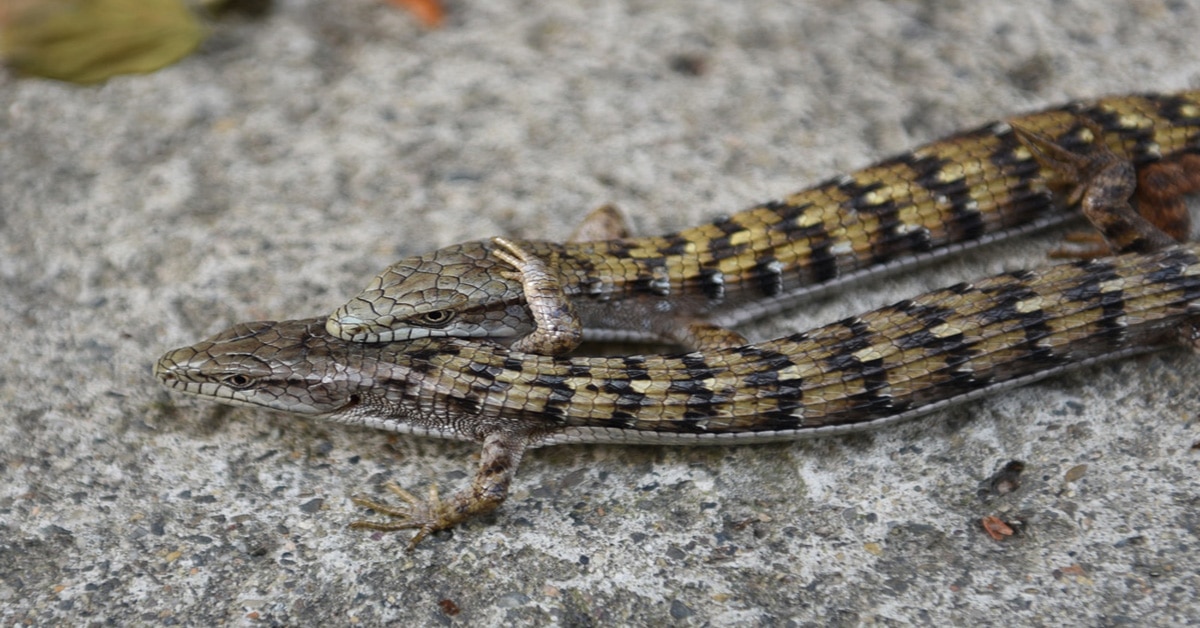
The tail of the southern alligator lizard is long, more or less prehensile, double its body length. When attacked, it can drop its tail, but it during the redevelopment, it will never attain its original length and rich color.
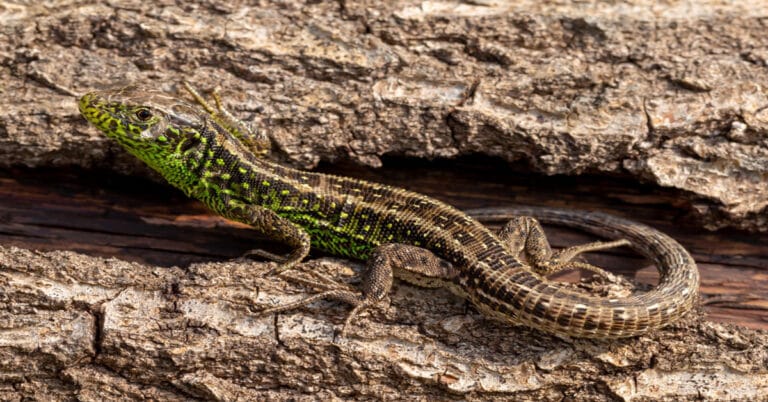
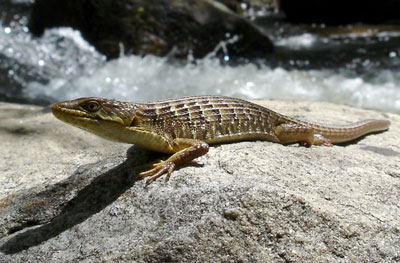
The Northwestern Alligator Lizard has a long body, a triangular head (similar to the actual alligator), and short legs. The maximum length to which it will grow is 20 cm. Their size and color make them quite puzzling. The color of the adult is brown and its belly is pale brown. At times they exhibit dark blotches or a broad bronze stripe along the center of the back. On critical examination you see a skin fold, continuing down its side. This enables the body to expand while the lizard breathes, when it is full with eggs, or with a full meal. Juveniles have a more metallic look having a bronze back and sides black.
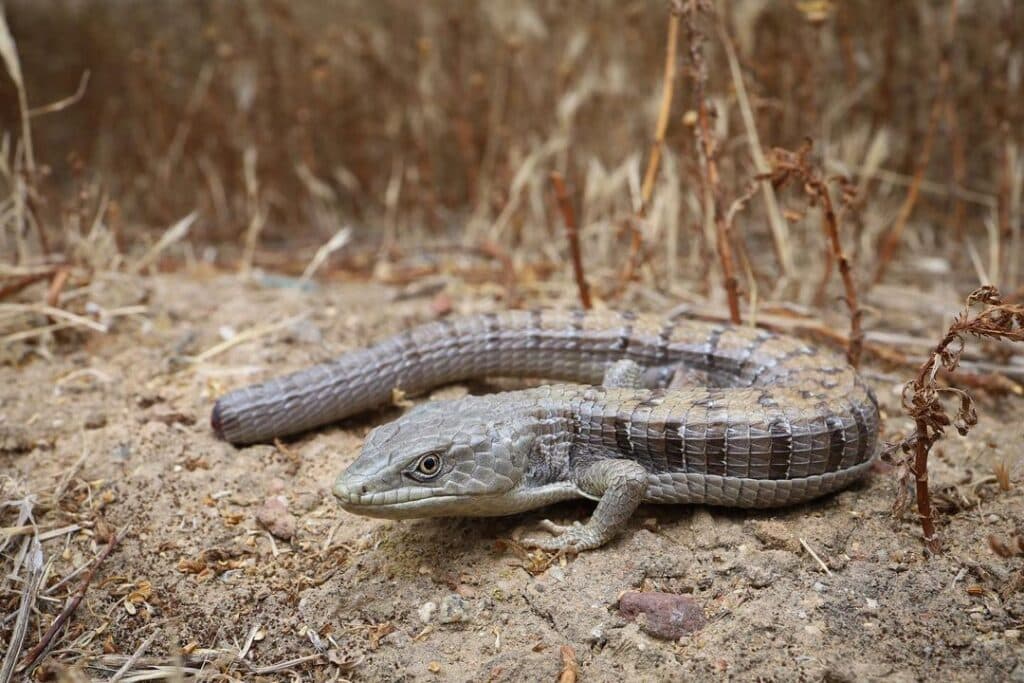
Behavior
Alligator lizards are surreptitious; the first attempt of defending themselves is to hide or flee away. If someone or something traps it, the lizard releases a foul smell combining the smell of musk and feces. It can bite or perhaps ‘shed’ (Automize) its tail. The shed tail behaves like a decoy, disturbing the potential predator.
Habitat
Alligator lizards of the south hail from Baja California to Washington and to the west of the Cascade-Sierra Nevada Crest.
Countries: Mexico and the United States.
As a Pet
Alligator lizards are excellent pets, The easiest way to possess them is from your backyard. They are fun pets and not difficult to look after.
Breeding
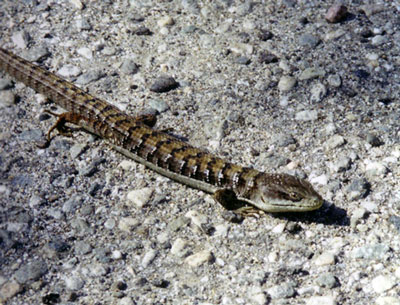
The head of the males is larger and more triangular in shape when compared to the females, when you snatch them rudely there is a chance that they will put forth their sex organ releasing little blood (this does not cause harm to the lizard). The females have a streamlined configuration; their head is narrower than the body. Lizards reach sexual maturity only at the age of 2 years only, after which they can mate.
Housing
A single alligator lizard requires a space of 10 gallons. A glass tank is ideal. Another alternative is a 10 gallon critter keeper, but here heating pad does not work. Use Eco Earth, which is the best substrate for your tank. Provide hideouts and climbing spots for the comfort of your lizards and you will see them often climbing out of their hideout. Alligator lizards find it difficult to digest their food properly without a heating pad and light. Provide half the tank with a heating pad, or a 100 watt bulb. In case you get both of them, put them on either side.
Food
It is easy to feed these lizard; they consume pinky mice, mealworms and crickets. Since the fat content of pinky mice is high, you would do well to feed only the adult alligator lizards with pinky mince once in two weeks. In case it is a juvenile, then feed your lizard daily with around five crickets and adults, you can give them around 10 crickets every fourth day. It is also possible to feed them with mealworms but since they have a hard exoskeleton, avoid frequent feeding them with these.
Handling
The alligator lizards are a bit violent in the initial stages, but later on, with careful handling, they calm down. The first time when you catch an alligator lizard in the wild you better wear a pair of working gloves to prevent a bite. Their bite is very strong and lizards are quick at it. Both male and female are ideal pets for keepers, but it is easier to tame a male lizard.
Having discovered a fondness for insects while pursuing her degree in Biology, Randi Jones was quite bugged to know that people usually dismissed these little creatures as “creepy-crawlies”.