Neem
Scientific Classification
| Kingdom: | Plantae |
| Order: | Sapindales |
| (unranked): | Angiosperms |
| (unranked): | Eudicots |
| (unranked): | Rosids |
| Family: | Meliaceae |
| Genus: | Azadirachta |
| Species: | A. Indica |
| Binomial Name: | AzadirachtaIndica |
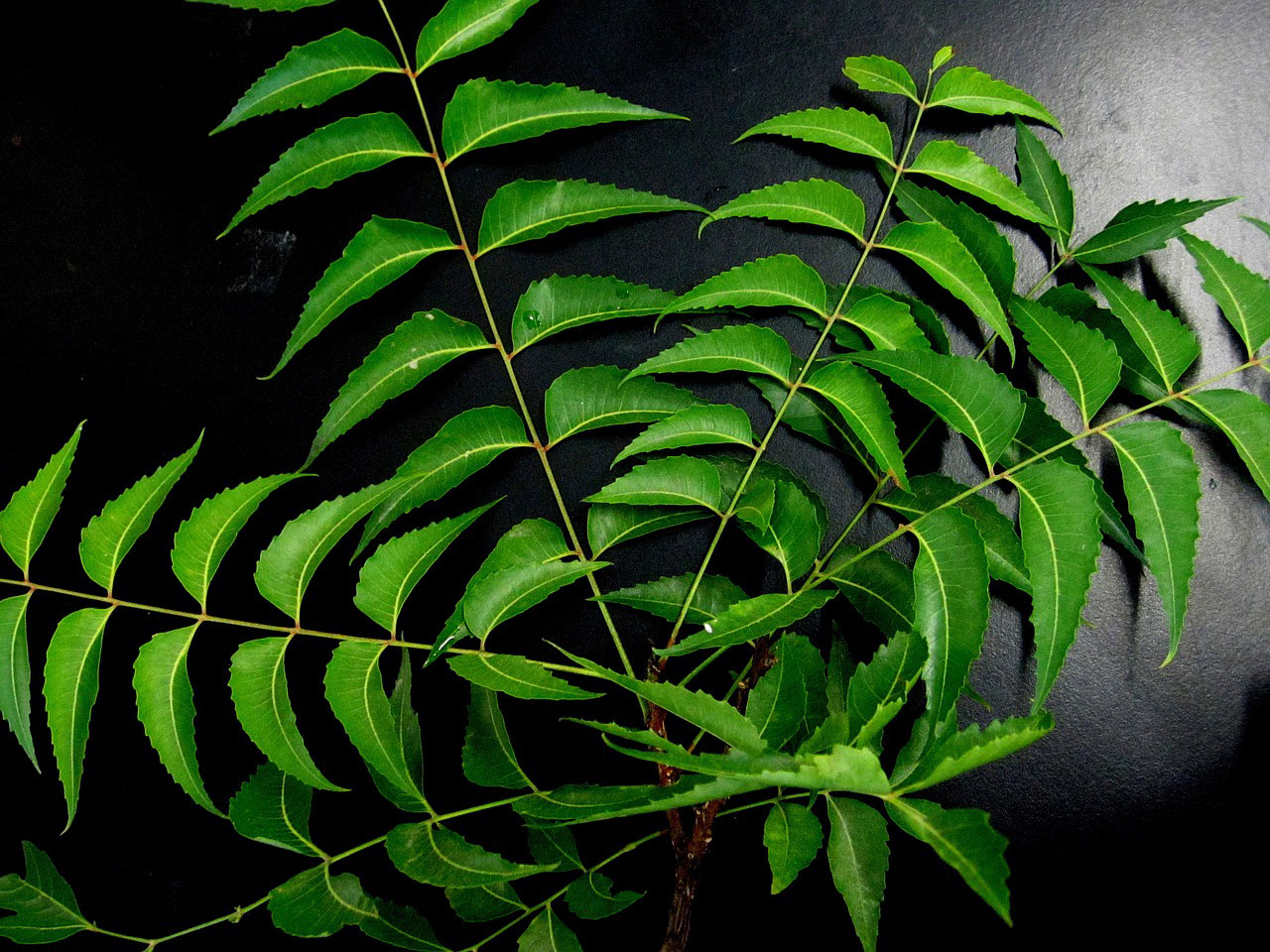
The Neem, biologically known as Azadirachta Indica, is a herbaceous tree belonging to the Meliaceae family. It is endemic to India, Bangladesh, Myanmar, Sri Lanka, Pakistan, and Malaysia. It is also referred to as a miracle tree, mainly due to its medicinal properties. In India, it is termed Nimba and in Sanskrit, it is termed Arishta which means the sickness reliever.
It is an evergreen, long-living tree that actually originated in Burma from where it spread to many other places and can be seen now all over the world. All parts of the Neem tree like seeds, flowers, and leaves are of great use in therapeutic applications. According to some herbalists, using Neem leaves with Vaseline can heal cuts, wounds, and burns. Gargling with Neem leaves added in water will cure a sore throat. It also helps to reduce itching of the skin and chewing some leaves as a dietary supplement every day will boost the immune system.
History
The neem has a rich and long history. The records dated 4500 years back mentions the usage of the Neem tree parts. All the parts like fruit, oil, seed, bark and roots were used in preparing medicinal preparations. The term referred to the Neem tree in the first millennium BC was “Sarva Roga Nivarini, “ which means, the cure for all the illness. People of olden times used the Neem tree as a home remedy for general illness. The Ancient Hindu religious people believed that planting a Neem tree in the house, yard will give a passage to the heaven. In mythology, it was related to the god of medicines known as Dhanmatri.
Anatomy
The Neem tree is an evergreen tree belonging to the mahogany family, which attains 15 to 20 m height. Even though it is evergreen, it sheds leaves in the dry and drought climate. It develops big branches and the bark has a dark gray shade. Crevices of lighter color are visible in the bark. The crown of the tree is extensively dense and round in shape that grows up to a diameter of 15 to 20 m in matured or old trees. It produces yellow fruits with small white flowers.
Habitat
The Neem tree can be seen as a crop tree in many tropical and subtropical regions. It is hardy to almost all climates except severe frost. It can be found in its original habitat and in the places where it is planted by the people. It is hardy to US zone 10 and 12.
Soil for Planting
The Neem tree can be found in almost all places because of its nature to adjust in all types of soils. It can be grown in rocky, dry and infertile soil. The preferable soil for the healthy growth of the Neem tree is sandy soil where its roots can grow deep into the soil. Water logged soil is not at all preferred by the Neem trees as water logging can kill the Neem roots. Similarly, it cannot tolerate salty soil. The pH value needed for the Neem tree is 6.2 to 7 but it can adjust in soils having a pH value of 5 to 8.
Planting
The most suitable climate to grow the Neem tree is hot climate, hence if planting in a zone where there is often cold climate, the chances of Neem tree to thrive is very low. As for growing indoors, the obvious method is to grow in a container or pot. Propagating from seeds is a good method, hence try to get fresh seeds and sow it in a pot containing potting mix. It should be provided high quality of potting mix to supply enough nutrients to match what it would get from the soil with the help of its big roots, when grown outdoors. Usually it takes 1 to 3 weeks for the Neem seeds to germinate and if it is in a cold climate, it can take too long. Once the plant start emerging, it should be regularly fertilized with a balanced fertilizer. Apply an organic fertilizer monthly and a dilute fish emulsion for a steady growth. Apply water in the initial period, but care must be taken to avoid over watering as it may lead to root rot and fungi.
Watering
Like any other plant, Neem plants require regular watering to establish but once established it requires very much less water. It is known as drought resistant as it can be seen in dry climate areas where the rainfall is less than 200 mm annually.
Temperature and Humidity
The Neem tree is hardy to hot climate and can tolerate a temperature up to 120 degree F but cannot tolerate frost. The Neem tree dies in a cold climate where the temperature is less than 40 degree F, as in such climate, the tree starts to shed leaves. The suitable temperature for the Neem tree is between 50 to 98 degree F. The younger specimens are more sensitive to cold climates.
Flowering and Maturing Care
The most important aspect is the sunlight. It should be placed in a sunny location where it can get enough sunlight and it should be equally protected from the frost. Regular pruning will encourage the tree to grow faster with new shoots. Pruning in late summer and spring will be beneficial. Provide the Neem plant with nutrient rich fertilizers regularly.
Pests and Diseases
Pests: The Neem tree is planted in every house mainly because it is pest free.
Diseases: Diseases like root rot and certain microbes affecting the stem and twigs are commonly found.
Uses
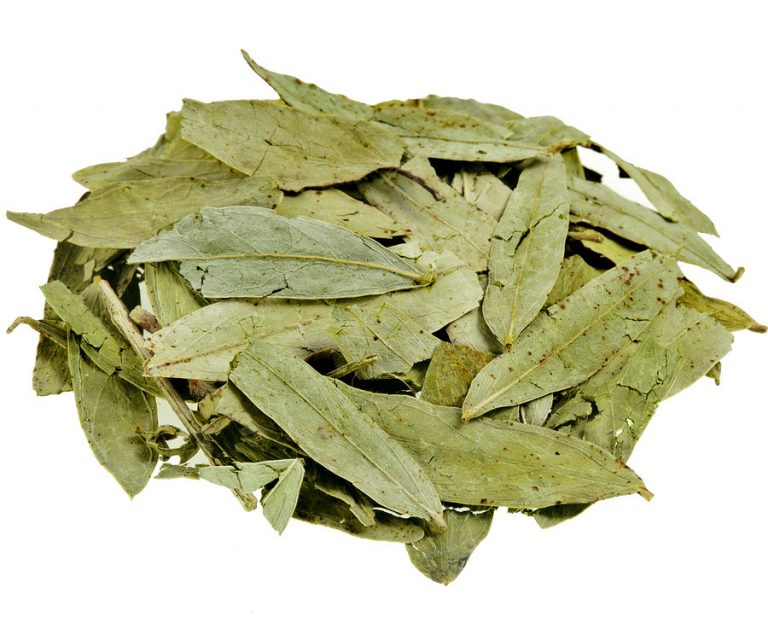
All parts of this miraculous tree are of great use. It is an easily available tree and hence we can make use of the leaves for home remedies. For example, the dried leaves are kept in the cupboards to prevent insects eating the clothes. It helps to keep away the mosquitoes when the leaves are burnt. Some people also place it in rice tins to prevent insects. In Ayurveda treatment, it is often used for a bath, and especially when affected by chicken pox. The leaves can be turned into a paste and used for skin treatments. It is used in making skin creams, oils, lotions, soaps, face wash, mouth wash, tooth paste and shampoos. The researchers claim that ingesting the leaves or brewing a tea out of it or consuming the Neem tablets will cleanse the body system, helps in digestion and to ease gastrointestinal problems. It also enhances the immunity power, thereby taking care of the immune system and it prevents liver problems. The oil extracted from its seeds is the most important part of the tree and are used in making cosmetics and for medical purposes. It is very commonly used in the western world as an effective insecticide for the vegetation. It is an insect repellent that can be used in organic farming. Its wood is useful in making furniture.
Having discovered a fondness for insects while pursuing her degree in Biology, Randi Jones was quite bugged to know that people usually dismissed these little creatures as “creepy-crawlies”.