Holly
Scientific Classification
| Kingdom: | Plantae |
| Order: | Aquifoliales |
| Family: | Aquifoliaceae |
| Genus: | Llex |
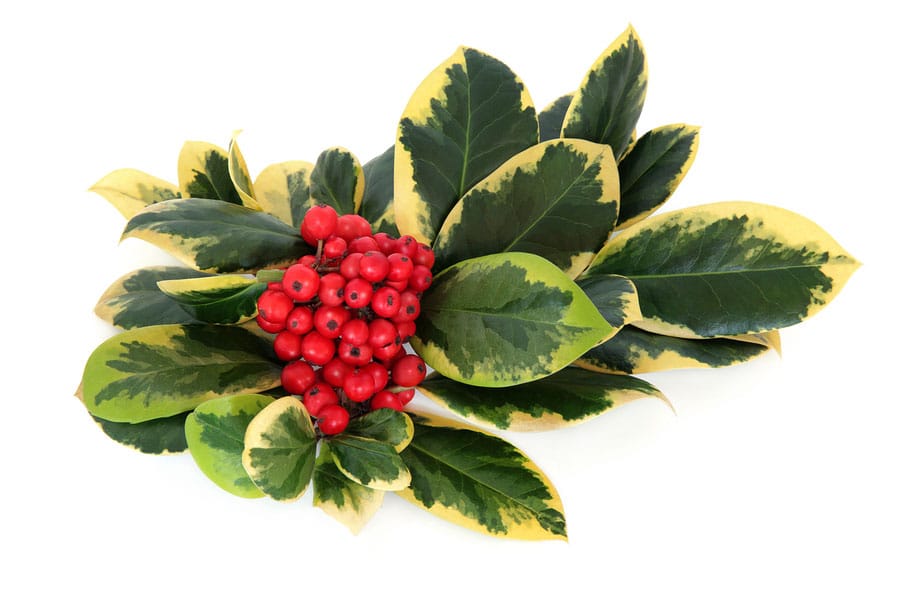
Holly is an evergreen and delicious tree, a genus of the family Aquifoliaceae in the order Aquifoliales. The Holly herb plant is also known as Holm, Hulm, Hulver bush, Holy tree, Christ’s thorn, and Holme Chase. Its other names are winter berry, Yaupon, and Inkberry. It was introduced into western Asia, Northern Africa, and Sothern Europe. It is a slow-growing plant. Its Bark, leaves, and berries are its useful parts. Its berries strongly attract birds. It is also believed that it gives good luck to any person who carries it. Its branches are used in decorations for Christmas. It is used as a protective plant. Holly is valued for its medicinal properties. Holly water is sprinkled on a newborn baby for protection. Its leaves are used to treat many health disorders. It is a dioecious plant. It means that there are both male and female plants. It was introduced as an ornamental plant in the Puget Sound region and to the floral industry, it is cultivated on farms. The Holly plant is rarely injured by a severe winter.
History
Holly is one of the noble trees, according to Irish law. History says its branches should never be cut, but they can be pulled from the tree. It is also believed that its small branch should be hung outside the house during the festive season as protection against lightning strikes. Throughout the world, the Holly has served several purposes for diverse cultures. The early Christians stole holly as a decoration from the ancient Romans. It is used by them in their winter festival called Saturnalia. Its white flowers, sharp leaves and red berries are signs of blood, crown of thorn and the innocence of Jesus Christ. Since centuries, the Holly plant has been used as an herbal remedy.
Anatomy
Holly is one of the noble trees, according to Irish law. History says its branches should never be cut, but they can be pulled from the tree. It is also believed that its small branch should be hung outside the house during the festive season as protection against lightning strikes. Throughout the world, the Holly has served several purposes for diverse cultures. The early Christians stole holly as a decoration from the ancient Romans. It is used by them in their winter festival called Saturnalia. Its white flowers, sharp leaves and red berries are signs of blood, crown of thorn and the innocence of Jesus Christ. Since centuries, the Holly plant has been used as an herbal remedy.
Habitat
The Holly herb is native to Southern and Central parts of Europe. Except arid or arctic regions it is distributed worldwide. Its major areas of distribution are South and Central America. The wood of the Holly herb is hard. In the woodlands of France and in Italy, and especially in Brittany, it grows to a very large size as compared to other Islands. Its height is about 50 feet. Now days, it is grown in the northwest regions of the United States and Canada. The American Holly thrives in wetlands and coastal areas and originates from the Eastern part of the United States.
Soil
The Holly plant has the uncanny ability to survive in any soil condition, but it should not be too wet. It can attain large size in rich gravelly, loamy or sandy soil. It grows well in soil with a good drainage and moderate amount of moisture in the roots. Well drained and moist soil is ideal for them. It likes acidic soil and can tolerate poor sandy soil.
Planting
Female and male plants should be planted for producing berries. Planting should be done in the fall or the spring season. It grows from seeds and is spread by birds. But the seeds do not germinate until the second year. Its female flower matures into a fruit and male flower only produces pollen. It grows rapidly over the first four or five years. When the holly plant is grown in a pot, it reaches a maximum height of 90 cm and a breadth of 30 to 38 cm.
Water
Water is essential for the Holly plant. It requires water in the summer season when the rainfall is less than 1 inch in a week. It requires moderate amount of moisture. So regular watering is necessary for them.
Temperature and Humidity
The Holly plant prefers cool temperature, at a maximum of 15 C. To prevent the berries from falling prematurely high humidity and high temperature is necessary..
Care
The Holly plant needs full sunlight. For best care, in the spring season, apply a layer of compost under the plant, and then spread it up to the reach the outermost branch. To control weeds and retain moisture, mulch has to be added. It requires little pruning, and that too only in the spring season to optimize production of berries..
Harvest
TThe best time to harvest the Holly plant is the early spring season, before the sap rises. Its leaves are collected in the month of May and June. Harvesting of the holly berries is easy in the fall season when the clusters of berries cover the female plant. Harvesting of berries of holly should be done in the winter season, when they are ripe.
Pests and Disease
The best time to harvest the Holly plant is the early spring season, before the sap rises. Its leaves are collected in the month of May and June. Harvesting of the holly berries is easy in the fall season when the clusters of berries cover the female plant. Harvesting of berries of holly should be done in the winter season, when they are ripe.
Uses
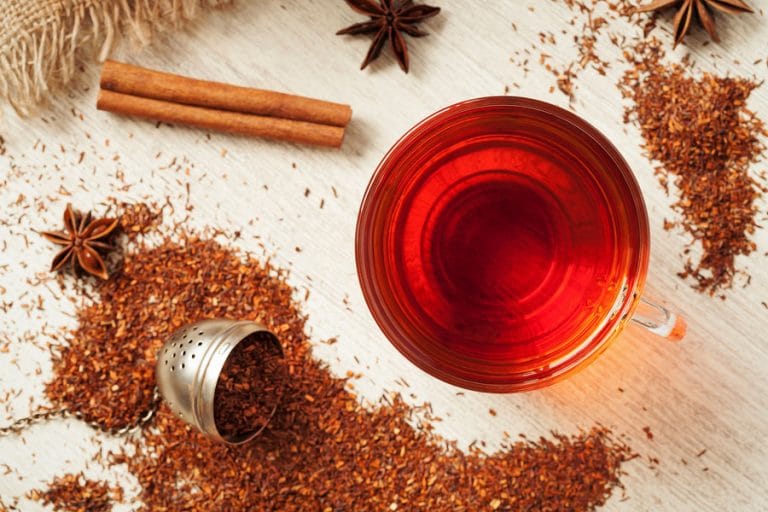
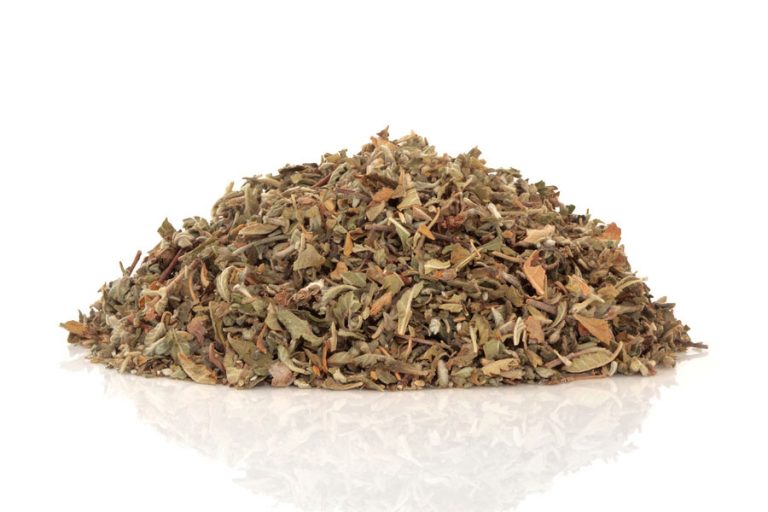
The leaves of the holly plant are used in the treatment of many diseases. The leaves are used both in dried and fresh form. It is used as a remedy for hypertension and blood pressure. These leaves are used to treat indigestion, joint pain, swelling, fever and rheumatism. The extracts of leaves are also used to treat jaundice, emotional problems and dizziness. They are utilized for treating the heart disease as well. It also facilitates blood circulation and better arterial functioning. The leaves are used in the making of herbal tea. This tea is used in the Brazil. The berries of the holly plant may cause vomiting, diarrhea and dehydration. Its berries contain caffeine. In China the herbal tea is used to treat coronary diseases. Its leaves contain caffeine.

Having discovered a fondness for insects while pursuing her degree in Biology, Randi Jones was quite bugged to know that people usually dismissed these little creatures as “creepy-crawlies”.