Pet Rat Cages
Remember the Rats Have Gained the Reputation of Houdini, the Master Escapist

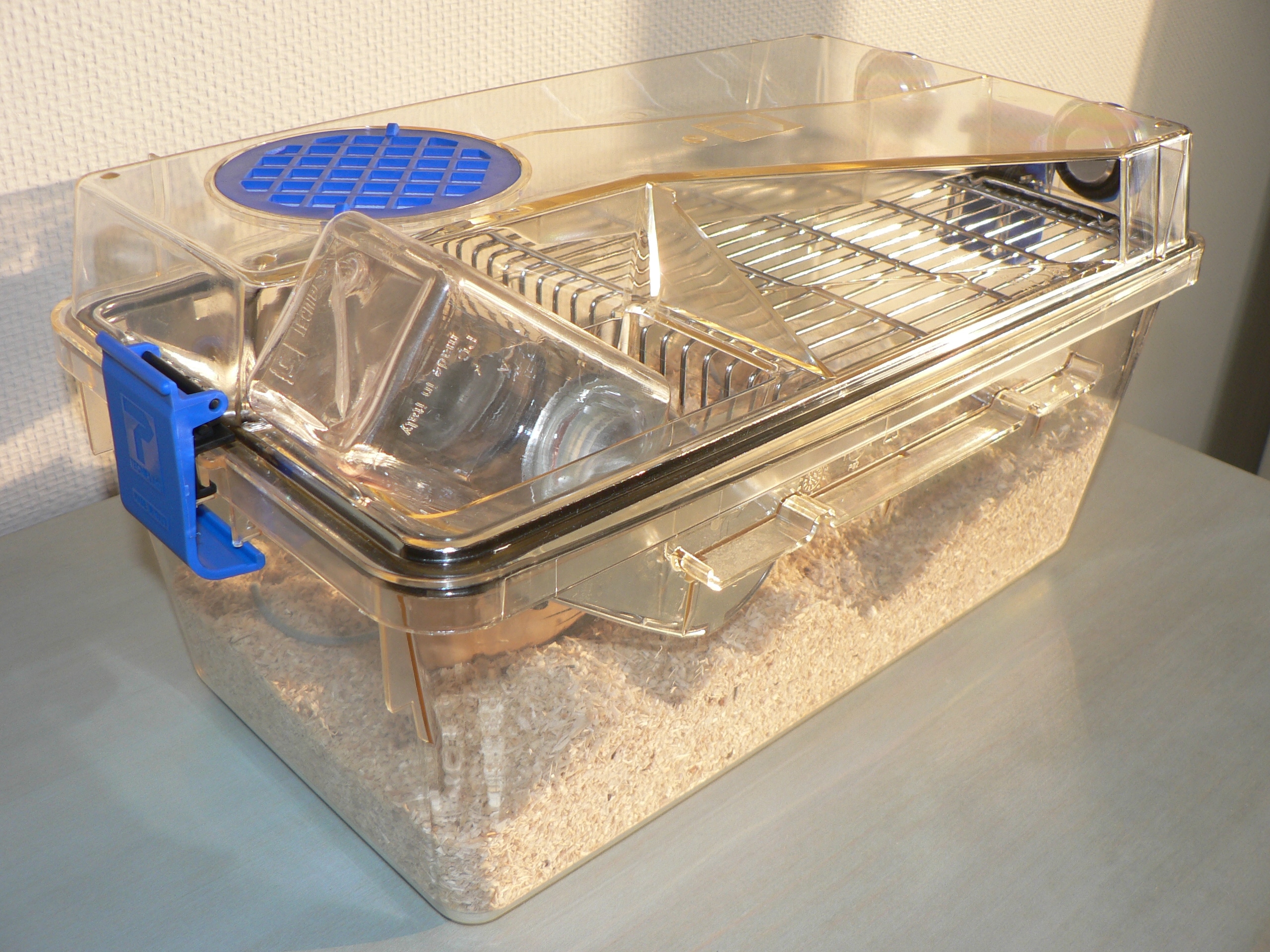
It is believed that transgenic rats are smart and judicious compared to all other rats. You are accountable as a breeder, to cater to their needs which they are worthy of. On this subject, you must give preference to the pet rat cages that you should fabricate and decorate in a cozy manner. Of prime importance is the material that you should use for fabricating the cage of transgenic mice or rats. You then proceed to define the dimensions of the cage, which would ideally have a length and width of 2.5 feet each and a height of 1.5 feet. Transgenic rats being rodents, you must provide things in their cage for them to gnaw. These measures make sure to satisfy your fancy pet rats in their abode, providing a congenial atmosphere for them to live in peace within their cages.
General Rules
The market offers you a choice of designs for pet rat cages cheap and you can make your own choice, or consider making a cage from scratch yourself. While planning your rat’s new abode you have to follow certain general instructions.
Ventilation
While planning your rat’s new dwellings, you would do well to use wholly either metal or plastic, with framework of bars above and a solid metal and plastic pan to sit in, as well as to hold bedding substrate. Since dust and ammonia aggravate a rat’s sensitive respiratory system, glass aquarium or plastic bins are not ideal abodes for rats. Do not use aquariums covered with wire mesh since they do not support the numerous litters of the rats, and hence not suitable for them.
Ideal Pet Rat Cages
Leveled cages
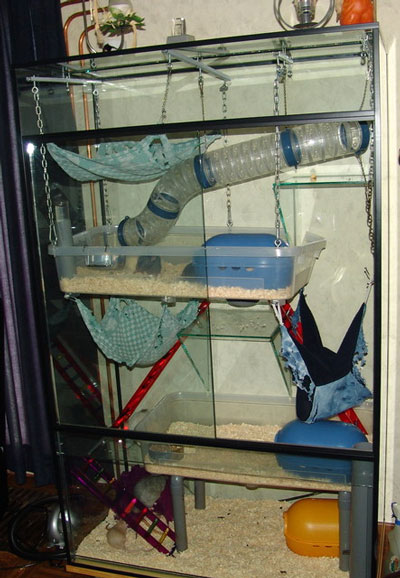
Rats are playful. They require space to play. Cage height is more critical than its width, because rats are natural climbers and will enjoy better scope for climbing. The
Best pet rat cages
will have ramps provided at different levels for them to climb to each level. Such cages provide an ideal playground for the rats.
Rabbit or guinea pig cages
Rat cages of the leveled typeare often expensive. Smaller cages used for rabbits and guinea pigs are a better option for the pet rats. Fix the levels in the cage using heavy wire to fasten the wood pieces. You can also add levels by fastening heavy materials with wires.
Cages with locked doors
Rats have gained a reputation as Houdini, the master escapist. They know all the tactics to escape through the doors. You should make sure that the lock of the door is typical so as to confuse the rats when they try to work on them. Bird cages with numerous drop-in doors, are not suitable for rats because it is easy for them to lift the doors and escape.
Accessories for Rat cage
 Water and Food
 Water and Food
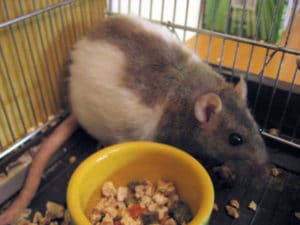
For food and water, you do not need accessories. Fix the food dishes and the bottled water on the cage walls. If not the rats are sure to empty out the food dishes and water on the base of the cage.
Sleeping and hiding area
By cutting off old bathrobe sleeves, sweatshirts or shirts with long sleeves, you can make your own sleeping place for your rats with ease. Fix the sleeves onto the wires of the cage so that the rats can sleep in them. Even a hole cut in from a plastic tub would serve the purpose well.
Bedding Materials
Use paper bedding (care fresh) for the cage base. Provide the rats with alternate materials to enable them to make their own beds. Provide them with strips of fabrics, paper towel and white computer paper. They will shred these materials to make their own beds. You can enjoy watching the rats unweaving the material you provide and drawing it into the cage. It is fascinating to see a rat’s furnishing plan.
Having discovered a fondness for insects while pursuing her degree in Biology, Randi Jones was quite bugged to know that people usually dismissed these little creatures as “creepy-crawlies”.