African Dormouse
Scientific Classification
| Kingdom: | Animalia |
| Phylum: | Chordata |
| Class: | Mammalia |
| Order: | Rodentia |
| Family: | Gliridae |
| Genus: | Graphiurus |
| Species: | G. murinus |
| Binomial name: | Graphiurus murinus |
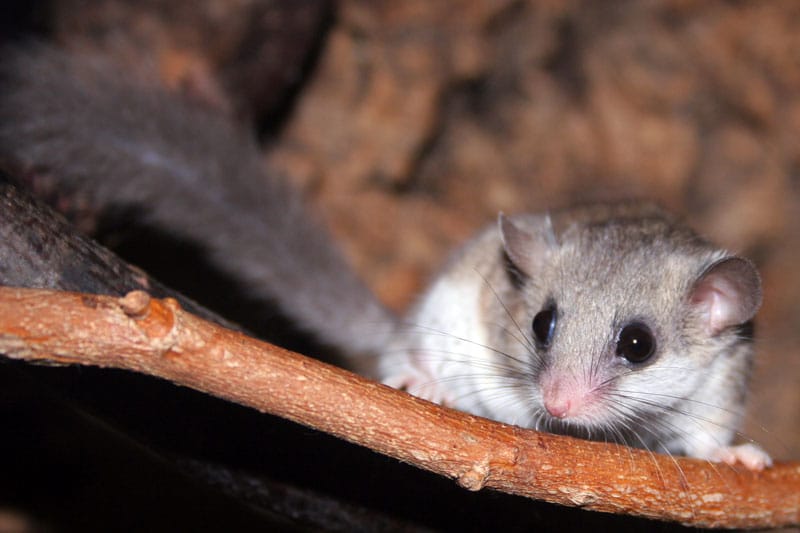
African dormice (Graphiurus spp) are tiny night-time rodents; they are now infrequent in laboratory settings. These African Pygmy Dormice otherwise called micro squirrels are lovely, charming and dazzling animals for you to have.
Anatomy
The body length of these small rodents measures from 6 to 19 cm (2.4 to 7.5in), They weigh from 15 to 180 g (0.53 to 6.350z). They normally look like a mouse, the difference is their furry, but not scanty tail. To a great extent they are tree-dwellers, active and adapted to climbing. The majority of them are nocturnal. Their sense of hearing is powerful, and they give signal to each other by a type of vocalization.
Behavior
They are especially known for their extensive time of hibernation. Even though this African Dormouse is not meant for playing with and petting, it is interesting to watch them. They are so cute, active and fast, that it is so interesting watching them racing round their enclosure, catching crickets at night! They make a lot of different sounds; most of them sound like insects or birds.
Habitat
A few of these dormice live in Asia and Africa, but the majority you see in Europe.
As a Pet
Breeding
The breeding time of African dormice is once a year or at times, twice yearly. Their gestation period is 22 to 24 days, after which they litter four young ones to an average. Their life span is up to five years. At birth, the young ones are feeble and have no hairs on their body; their eyes shut, till almost 18 days following birth. It is after their initial hibernation that they naturally grow up sexually.
Housing
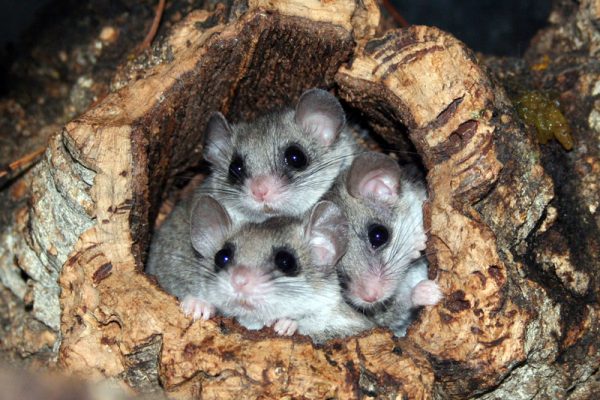
The more African Dormice you breed, the more nests you must. You either hang them on the several branches using pet-safe ropes like sisal or fix to the walls or just keep them on the floor in the enclosure you have built. Place at least one nest high enough, they like those with tiny exit holes. An ideal one is a Bird box like the blue tits, used for small birds. Even though plastic is easier to clean compared to wicker and wood, the latter is a better choice.
Food
Dormice are omnivorous; normally feed on flowers, fruits, insects, berries and nuts. The specialty of these African Dormice among rodents is the conspicuous absence of a cecum, which is a small portion of the gut seen in other varieties of rodents that use it to ferment vegetable matter. One normally neglects nectar, a very important part of their diet. Pour maple syrup over their fresh fruit kept in a shallow dish, or otherwise rub it on branches occasionally. The other alternatives are honey, acacia and red nectar.
Give them fresh fruits, like blueberries, papaya and melon, daily or intermittently. Keep away from Citrus fruits.
Even though they are not frequent drinkers, keep water always in either a bowl or bottle, based on the requirements of your dormice. In case you are unsure which is better, keep both.
Handling
You cannot handle them easily, because they are very fast; still it is possible to scoop them at the day when they are dopey to enable you to clean the vivarium. Do this with utmost care, because once they escape, it is difficult for you to get them back.
Having discovered a fondness for insects while pursuing her degree in Biology, Randi Jones was quite bugged to know that people usually dismissed these little creatures as “creepy-crawlies”.