Butterfly Nectar Plants

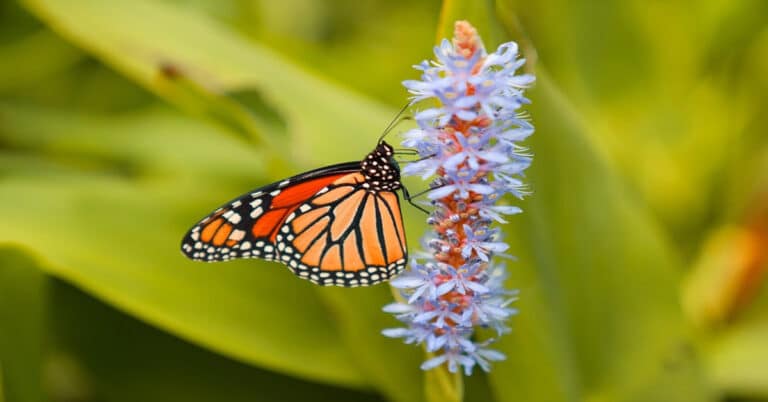
Creating a Butterfly Garden involves planning your garden to attract, retain, and encourage butterfly populations to visit. You should select a variety of nectar-producing plants (butterfly food plants) with the goal of providing flowers in bloom throughout the season. This will encourage a continuous succession of new visitors to your butterfly garden. It is especially important to have flowers in mid to late summer when most butterflies are active. Flowers with multiple florets that produce abundant nectar are ideal. Butterfly Bush and Butterfly Weed are some of the most popular flowers used by butterfly gardeners.
Below is a list of favorite food/ nectar plants that will bring enjoyment to both the gardener and the butterfly!
Butterflies and Plants
| Species | Nectar Plants |
|---|---|
| Swallowtail | |
 Eastern Tiger Swallowtail | Blue Cardinal Flower, Bloodflower, Brazilian Verbena, Butterfly Bush, Butterfly Weed, Garlic Chives, Common Milkweed, Daisy Fleabane, Dames Rocket, Dogbane, Globe |
| Swallowtail | Heliotrope, Joe-Pye Weed, Lantana, Late-flowering Boneset, Liatris, Marigold, Mist Flower, New England Aster, New York Ironweed, Oregano, Oriental Lilies, Petunia, Phlox, Privet, Purple Coneflower, Sweet Pepperbush, Tickseed Sunflower, Tithonia, Verbena, Wild Bergamot , Wingstem,. Zinnia |
| Spicebush Swallowtail | Butterfly Bush, Delphinium, Cosmos, Lantana, Oriental Lilies, Phlox, Privet, Wild Bergamot |
| Pipevine Swallowtail | Brazilian Verbena, Butterfly Bush |
| Black Swallowtail | Bloodflower, Brazilian Verbena, Butterfly Bush, Common Milkweed. Joe-Pye Weed, Late-flowering Boneset, Oregano, Privet, Purple Coneflower, Wild Bergamot, Zinnia |
| Pieridae | |
| Cabbage White | Arugula, Bloodflower, Brazilian Verbena, Butterfly Bush, Butterfly Weed, Collards, Catnip, Common Dandelion, Creeping Wood Sorrel, Common Sage, Daisy Fleabane, Dame’s Rocket, Day Lily, Dogbane, Globe Amaranth, Ground Ivy, Heath Aster, Lantana, Late-flowering Boneset, Lavender, Liatris, Marigold, Mint, Mist Flower, Mustard Greens, New England Aster, Oregano, Radishes, Red Clover, Salvia “Blue Bedder,” Sedum (Autumn Joy), Small White Aster, Sweet Pepperbush, Thyme, Tickseed Sunflower, Tithonia, Valerian, White Clover, Winter Cress, Zinnia |
| Clouded Sulphur | Brazilian Verbena, Common Dandelion, Ground Ivy, Heath Aster, Marigold, Mist Flower, New England Aster, Privet, Purple Coneflower, Showy Coneflower, Tithonia, |
| Orange Sulphur | Black-Eyed Susan, Bloodflower, Brazilian Verbena, Butterfly Bush, Butterfly Weed, Common Dandelion, Cosmos, Dame’s Rocket, Globe Amaranth, Ground Ivy, Heath Aster, Joe-Pye Weed, Late-flowering Boneset, Marigold, New England Aster, New York Ironweed, Oregano, Purple Coneflower, Red Clover, Salvia “Blue Bedder,” Showy Coneflower, Smooth Aster, Tithonia (Mexican Sunflower), White Clover, Zinnia |
| Sleepy Orange | Abelia, Butterfly Weed, Cosmos, Marigold, Zinnia |
| Hairstreaks and Blues | |
| Eastern Tailed Blue | Creeping Wood Sorrel, Dogbane, Garlic Chives, Ground Ivy, Heath Aster, Mist Flower, Oregano, Showy Coneflower, White Clover, Late-flowering Boneset |
| Spring and Summer Azure | American Holly, Black-Eyed Susan, Butterfly Bush, Common Milkweed, Dogbane, Heliotrope, Late-flowering Boneset, Oregano, Mint, Privet, Radishes, Red Clover, Sedum (Autumn Joy), Sweet Pepperbush, White Clover, |
| Gray Hairstreak | Bloodflower, Brazilian Verbena, Butterfly Weed, Catnip, Creeping Wood Sorrel, Garlic Chives, Dogbane, Globe Amaranth, Heath Aster, Lantana, Late-flowering Boneset, Liatris, Mint, Oregano, Salvia, Sedum (Autumn Joy), Showy Coneflower, Small White Aster, Sweet Pepperbush, Tansy, Tickseed Sunflower, Tithonia (Mexican Sunflower), White Clover, |
| Red-Banded Hairstreak | Boneset, Brazilian Verbena, Butterfly Bush, Garlic Chives, Dogbane, Globe Amaranth, Heath Aster, Joe-Pye Weed, Late-flowering Boneset, Sedum (Autumn Joy), Showy Coneflower, Small White Aster, Swamp Milkweed, Tall Goldenrod, White Clover, |
| Banded Hairstreak | Butterfly Bush, Common Milkweed, Dogbane, Purple Coneflower |
| White M Hairstreak | Garlic Chives, Heath Aster, Late-flowering Boneset, Red Clover, Small White Aster. |
| Brushfoots | |
| American Snout | Late-flowering Boneset |
 Variegated Fritillary | Black-Eyed Susan, Bloodflower, Brazilian Verbena, Butterfly Bush, Globe Amaranth, Marigold, Mist Flower, New England Aster, Oregano, Red Clover, Zinnia |
| Great Spangled Fritillary | Butterfly Bush, Butterfly Weed, Garlic Chives, Common Milkweed, Dogbane, Late-flowering Boneset, Marigold, Purple Coneflower, Swamp Milkweed, |
| Pearl Crescent | Black-Eyed Susan, Bloodflower, Butterfly Weed, Common Dandelion, Daisy Fleabane, Globe Amaranth, Garlic Chives, Heath Aster, Late-flowering Boneset, Marigold, Mist Flower, New England Aster, Sedum (Autumn Joy), Showy Coneflower, Small White Aster, Stiff Goldenrod, Tickseed Sunflower, White Clover, Zinnia |
 Monarch | Blue Cardinal Flower, Bloodflower, Brazilian Verbena, Butterfly Bush, Butterfly Weed, Common Milkweed, Globe Amaranth, Heath Aster, Heliotrope, Joe-Pye Weed, Lantana, Late-flowering Boneset, Marigold, Mist Flower, Mustard Greens, New England Aster, New York Ironweed, Oriental Lilies, Showy Coneflower, Smooth Aster, Swamp Milkweed, Tithonia (Mexican Sunflower), Wingstem, Zinnia |
| Red-Spotted Admiral | Brazilian Verbena, Butterfly Bush, Garlic Chives, Late-flowering Boneset, Mist Flower, Pink Turtlehead, Purple Coneflower, |
 Painted Lady | Brazilian Verbena, Butterfly Bush, Common Milkweed, Cosmos, Heliotrope, Late-flowering Boneset, Marigold, New England Aster, Purple Coneflower, Zinnia |
| American Lady | Brazilian Verbena, Butterfly Bush, Common Milkweed, Daisy Fleabane, Dogbane, Globe Amaranth, Late-flowering Boneset, Marigold, Mist Flower, Privet, Purple Coneflower, Salvia “Blue Bedder,” Showy Coneflower, White Clover, Zinnia |
| Red Admiral | Abelia, Butterfly Bush, Dogbane, Lantana, Marigold, Mist Flower, Privet, |
 Common Buckeye | Globe Amaranth, Mist Flower, White Clover, |
| Question Mark | Butterfly Bush, Heliotrope |
| Eastern Comma | Garlic Chives, Dogbane, Privet |
| Skippers | |
| Silver-Spotted Skipper | Abelia, Black-Eyed Susan, Blue Berry Bush, Blue Cardinal Flower, Brazilian Verbena, Butterfly Bush, Catnip, Dame’s Rocket , Garlic Chives, Common Milkweed, Common Sage, Dogbane, Globe Amaranth, Heliotrope, Joe-Pye Weed, Lantana, Lavender, Mint, Mist Flower, Mountain Laurel, New York Ironweed, Oregano, Oriental Lilies, Phlox, Privet, Radishes, Red Clover, Salvia “Blue Bedder,” Showy Coneflower, Smooth Aster, Swamp Milkweed, Verbena, Sweet Pepperbush, Late-flowering Boneset, White Clover, Wild Bergamot and Zinnia. |
| Wild Indigo Duskywing | Brazilian Verbena, Butterfly Bush, Dogbane, Globe Amaranth, Ground Ivy, Heliotrope, Lantana, Late-Flowering Boneset, Marigold, Mist Flower, Oregano, Privet, Purple Coneflower, Showy Coneflower, White Clover |
| Juvenal’s Duskywing | Ground Ivy |
| Horace�s Duskywing | Brazilian Verbena, Butterfly Bush, Dame’s Rocket, Dogbane, Globe Amaranth, Late-flowering Boneset, Lavender, Marigold, Mist Flower, New England Aster, Purple Coneflower, Showy Coneflower, |
| Common Checkered Skipper | Globe Amaranth, Heath Aster, Mist Flower, New England Aster, Showy Coneflower |
| Hayhurst�s Scallopwing | Black-Eyed Susan, Brazilian Verbena, Catnip, Dogbane, Globe Amaranth, Lantana, Lavender, Marigold, Marjoram, Mist Flower, Showy Coneflower, White Clover |
| Common Sootywing | Globe Amaranth, Mist Flower, |
| Least Skipper | Brazilian Verbena, Globe Amaranth, Mist Flower, |
| Sachem | Black-Eyed Susan, Blue Cardinal Flower, Bloodflower, Brazilian Verbena, Butterfly Bush, Garlic Chives, Common Milkweed, Common Sage, Cosmos, Daisy Fleabane, Dame’s Rocket, Dogbane, Globe Amaranth, Heath Aster, Heliotrope, Joe-Pye Weed, Lantana, Late-flowering Boneset, Liatris, Marigold, Mint, Mist Flower, New England Aster, New York Ironweed, Oregano, Phlox, Purple Coneflower, Red Clover, Salvia “Blue Bedder,” Sedum (Autumn Joy), Shasta Daisy, Showy Coneflower, Smooth Aster, Stiff Goldenrod, Swamp Milkweed, Sweet Pepperbush, Tansy, Tithonia, Verbena, White Clover, Wingstem, Zinnia |
| Peck�s Skipper | Brazilian Verbena,Butterfly Bush, Globe Amaranth, Heliotrope, Late-flowering Boneset, Marigold, Mint, Mist Flower, New England Aster, New York Ironweed, Oregano, Red Clover, Salvia “Blue Bedder,” Showy Coneflower, Smooth Aster, Swamp Milkweed, |
| Zabulon | Abelia, Blue Cardinal Flower, Brazilian Verbena, Butterfly Bush, Common Milkweed, Common Sage, Delphinium, Globe Amaranth, Heliotrope, Marigold, Mist Flower, Oregano, Oriental Lilies, Petunia, Phlox, Red Marigold, Salvia “Blue Bedder,” Showy Coneflower, Verbena, Zinnia |
| Clouded Skipper | Blue Cardinal Flower, Brazilian Verbena, Day Lily, Globe Amaranth, Heliotrope, Marigold, New England Aster, Salvia “Blue Bedder,” Verbena, |
| Dun Skipper | Brazilian Verbena, Catnip, Dogbane, Red Clover, Salvia “Blue Bedder, |
| Little Glassywing | Brazilian Verbena, Butterfly Bush, Common Milkweed, Dogbane, Heliotrope, Lantana, Liatris, Oregano, Privet, Purple Coneflower, |
| Fiery Skipper | Blue Cardinal Flower, Brazilian Verbena, Butterfly Bush, Garlic Chives, Common Sage, Globe Amaranth, Heath Aster, Heliotrope, Lantana, Marigold, Mist Flower, Oregano, Salvia “Blue Bedder, Tithonia, |
| Crossline Skipper | Butterfly Bush, Brazilian Verbena |
| Tawny-Edged Skipper | Brazilian Verbena, Globe Amaranth, Red Clover, |
| Southern Broken-Dash | Butterfly Bush, Mist Flower |
| Ocola Skipper | Brazilian Verbena, Butterfly Bush, Globe Amaranth, Marigold, Mist Flower, Wingstem, Zinnia |
Butterfly Food/ Nectar Plants: What You Need To Know!
Explore next

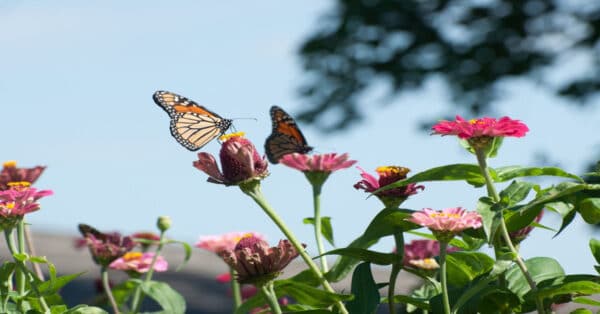


While there may be a lot of different butterfly nectar plants available, there are few of these nectar-bearing plants that are at the top of the list. The top three nectar bearing food plants that butterflies love are butterfly weed, purple coneflowers and the New England Aster! If you plant all three of these plants, you will definitely be seeing a lot more butterflies in your yard! 4 more top plants are Milkweed, Marigolds, Oregano and the popular Butterfly bush.
One of the biggest things that you need to remember when you are attempting to attract butterflies to your backyard is that you need to have a lot of different flowers for them to choose from. This way, you will definitely be attracting more than one type of butterfly. A great addition to any butterfly garden is rocks as well, this gives a great place for all of the butterflies to stop and rest their wings. Another great idea is to group the same types of flowers together; this will ensure that the butterflies will have easy access to their favorite flowers! Our article Butterfly Garden Plans (the layout and design) will help you decide where things should go.
Now that you have yourself a basis of what your butterfly garden should look like and what butterfly nectar bearing plants you should plant, it is now all up to you! Just remember some of the tips and tricks discussed in this article and you should have no problems attracting all sorts of butterflies to your garden!
Butterfly Nectar Plants FAQs
What are the best nectar plants for butterflies?
Excellent nectar plants include butterfly weed, purple coneflower, New England aster, milkweeds, blazing star, Joe Pye weed, goldenrod, zinnias, lantana, verbena and butterfly bush. Native plants are often the best choice because local butterflies are adapted to them and they support other wildlife too.
What makes a flower attractive to butterflies?
Butterflies prefer flowers that are brightly colored, such as purple, red, orange, yellow and pink, with plenty of nectar and a flat or clustered shape that gives them a landing platform. Flowers made up of many small tubular florets, such as asters and coneflowers, are especially popular.
Should I plant flowers in groups for butterflies?
Yes. Planting the same flowers in large groups or drifts makes them easier for butterflies to spot and lets them feed efficiently without flying far. A mix of groups with different colors, heights and bloom times creates a more attractive garden for many species.
When should butterfly flowers bloom?
Aim for flowers that bloom from early spring through late autumn so butterflies always have nectar. Late-summer and autumn flowers, such as asters and goldenrods, are especially important because many butterflies are most numerous then, and migrating monarchs need fuel.
Is butterfly bush good for butterflies?
Butterfly bush provides plenty of nectar and attracts many adult butterflies, but its caterpillars cannot use it as food, and some varieties spread aggressively and are invasive in parts of North America. Many gardeners choose sterile cultivars or native alternatives instead.

Randi Jones is the owner and founder of the Nature Gift Store, an online retailer specializing in nature-themed gifts, educational science projects, live animal nature kits and real butterfly artwork. A biology graduate who fell in love with insects, she founded the company in 2001 to make active learning about nature fun, accessible and engaging for children and adults. Her store offers real butterfly frames, home and garden decor and educational live animal kits, including ant farms, worm farms, tadpoles, ladybugs and hermit crabs, and she runs a bug museum in Washington featuring live animals like Eddie the Iguana alongside other reptiles and insects. Randi wrote most of the guides on this site. They first appeared on her long-running nature sites, including Monarch-Butterfly.com, Ladybug-Life-Cycle.com, Frog-Life-Cycle.com, Dragonfly-Site.com and Butterfly Pictures, which have now been brought together here at Learn About Nature.