How long Do Ants Live?

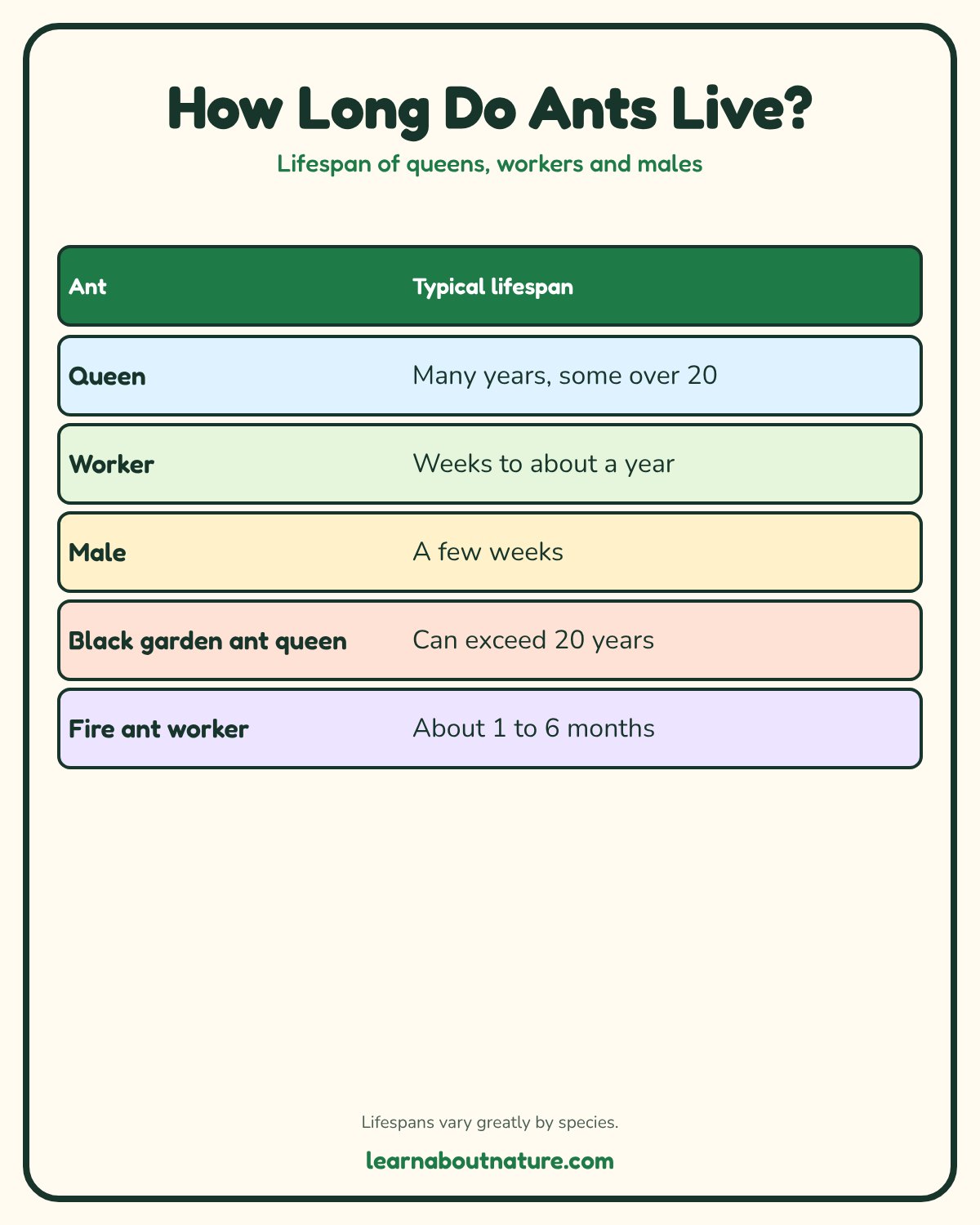
Quick answer: Most worker ants live from a few weeks to a few years, depending on the species, while queens live much longer. Some queens survive 10 to 30 years, and a lab queen of the black garden ant reached about 28 years.
When we talk about ants, there are different genres. Many people ask the question, “How long do ants live?”
The Queen ants are the ones that live longer. The worker ants can survive for a few months up to certain years. It varies from species to species. Some of the queen ants like those of the harvester ant species (Pogonomyrmex Owyheei) live up to thirty years while some queens live just for a few years subject to the genres.
How Long Do Ants Live?
Ant lifespan depends on species and role. Worker ants usually live a few weeks to one or two years, males live only a few weeks and die soon after mating, and queens live longest, often 10 to 20 years or more. A black garden ant queen in a lab lived almost 29 years.
Development of Queens

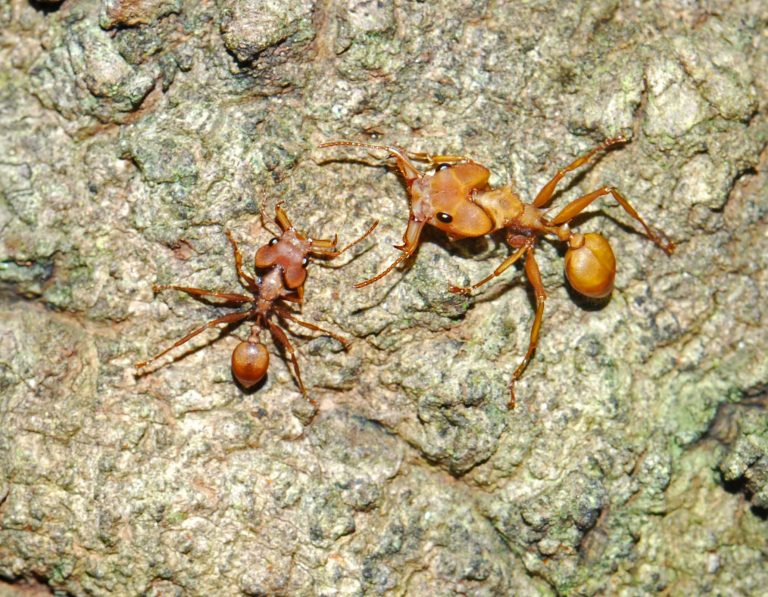
Queen Ant
For the ants to develop into queens, there is a process involved. Using distinct and different stimuli, ants can develop into queens just like the impact on the female egg in honey bees. Other ways are feeding the larvae well with large volumes of food as well as providing the eggs with plenty of yolk, push the development of queens. The temperature also matters a lot. A few ants require maximal temperature while other genres require cold temperatures to grow into queens. The existence of a queen discourages development of another and hence always prevent the growth of more ants into queens. However, as the queen ages, the worker ants go into full activity mode in their quest of developing queens to replace the existing one, as in the case of most insects.
The Genetic System

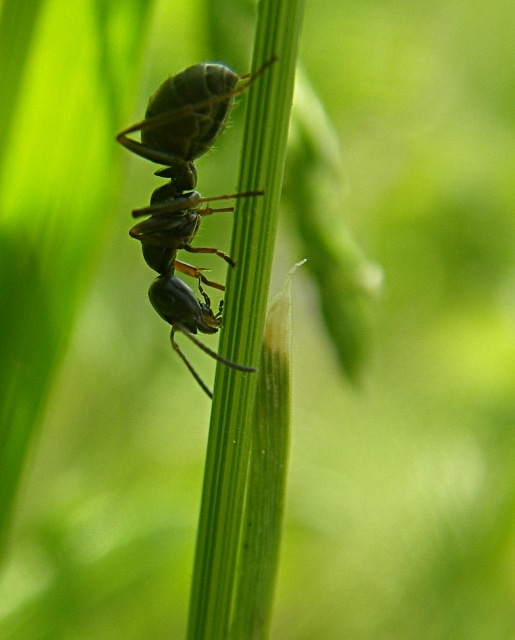
Worker Ant
Some genres of ants are not able to develop into queens from female eggs as they have caste determination. With a particular gene that they hold, it’s already known if they would be workers or queens, as in the case of Pogonomyrmex Barbatus and P. Rugosus. Hence, It becomes mandatory for the queens to associate with one male from each individual version of the available gene, failing which, it would be difficult for them to conceive either workers or queens to continue with the steady development of the familial line (hierarchy).There is no particular answer for this caste determination. It is extraordinary and rare, but yet research has not unraveled how or why it came into existence.
A worker ant life cycle cannot extend for more than two years (it depends on the genre) affirms the UMI’s Handbook.
Life Span Of Ants

Ant Life Cycle
Certain worker ants live for less than 12 months. Ants like Monomorium Pharonis or the Pharaoh Ant and Tapinoma Melanocephalum, called Ghost Ants, do not live for more than a few weeks. The genres of these two ants keep generating more and more broods to level up the deaths of the ants. They produce workers, males and queens constantly. The queens of Pharaoh and Ghost ants live for half a year. Contrary to this, the ants like Formica Rufa or mound ants and Lasius niger or black garden ants, which are worker ants live for three years or more. The queens might live up to 10 years. Fertile eggs were produced by the queen of the Cornfield Ant till the last few years of her life, which went onto records as she lived in the confines of a lab colony for about 28 years. The ants of this version generate males and queens only once a season.
The male ants live only for certain weeks. They die in a little while after they mate. Workers may live for some months or a year. Queen ants often live for many years, and in some species for decades. Sometimes you see that one nest has several queens, and they help to nurture the nest for a good many years.
Ant Lifespan by Species
These are typical figures from colonies kept in labs or studied in the wild. Wild ants often die sooner because of predators, weather and disease.
| Species | Worker lifespan | Queen lifespan |
|---|---|---|
| Pharaoh ant | About 9–10 weeks | 4–12 months |
| Ghost ant | A few weeks to a few months | Several months |
| Red imported fire ant | 1–6 months, larger workers longer | 6–7 years |
| Black carpenter ant | Several months to over a year | 10 years or more |
| Red wood ant | 1–2 years | 15 years or more |
| Black garden ant | 1–2 years | Up to about 29 years in a lab |
| Harvester ant (Pogonomyrmex) | Up to about a year | Up to 30 years |
The general pattern is that small, fast-breeding pest species have short lives, while species that build long-lasting colonies have long-lived queens.
How Long Does Each Life Stage Take?
Every ant passes through four stages: egg, larva, pupa and adult. How long it takes depends mostly on temperature, food and species. These timings are typical for common garden ants in warm conditions.
- Egg: about 1–4 weeks. Eggs are tiny, white and sticky, and workers keep them in clumps.
- Larva: about 1–4 weeks. Legless, grub-like larvae are fed and cleaned by workers and grow by moulting several times.
- Pupa: about 1–3 weeks. Some species spin a silk cocoon, while others have bare pupae that look like pale adults.
- Adult: new workers are soft and pale at first, darkening over a few days.
From egg to adult usually takes six to ten weeks. In cool weather this can stretch much longer, and some species keep larvae through winter to finish growing in spring.
What Shortens or Lengthens an Ant’s Life
Within a single colony, ants of the same species can live very different lengths of time. Several things make the difference:
- Job in the colony. Young workers usually stay inside caring for the brood. Older workers become foragers, the riskiest job, and foragers often live only a few weeks once they start.
- Temperature. Warm conditions speed up ants’ bodies, so they develop faster but tend to die sooner. Cool conditions slow everything down.
- Body size. In species with workers of different sizes, larger workers often live longer than small ones.
- Food supply. Well-fed colonies stay healthier and replace losses more easily.
- Predators and disease. Birds, spiders, other ants and fungi kill many workers before they reach old age.
A queen avoids most of these risks by staying deep in the nest, which is one reason she can outlive her workers by many years.
How Long Does an Ant Colony Last?
A colony can only last as long as it has a queen able to lay eggs. In species with a single queen, the colony usually dies out a few months after she dies, as the remaining workers grow old and are not replaced. That means a colony of black garden ants or harvester ants can survive for decades.
Some ants have many queens in each colony and keep adding new ones. Colonies of these species, such as many wood ants and invasive Argentine ants, can last almost indefinitely, because queens are replaced as they die. Some spread into huge networks of connected nests.
In some species, workers can lay unfertilised eggs after the queen dies. These eggs only hatch into males, so they cannot save the colony, but the males may fly off and mate with queens from other nests, passing on the colony’s genes.
Ant Lifespan FAQs
How long do ants live?
Ant lifespan depends on species and role. Worker ants typically live from a few weeks to a few months, though some live a year or more. Males usually die soon after mating, while queens can live many years, sometimes over 20.
Why do queen ants live longer than workers?
Queens are fed better, live protected deep in the nest and are not exposed to the dangers of foraging. Their bodies also appear to age more slowly. Workers face predators, injuries and harsh conditions, which shortens their lives.
What is the ant life cycle?
Ants go through complete metamorphosis with four stages: egg, larva, pupa and adult. Larvae are fed by workers and grow quickly. They then pupate, sometimes inside a cocoon, before emerging as adult ants. The whole cycle can take weeks to months.
Do male ants do any work?
Male ants generally do not work in the colony. Their role is to mate with young queens during nuptial flights. Most males die shortly after mating, so they live much shorter lives than workers and queens.

Randi Jones is the owner and founder of the Nature Gift Store, an online retailer specializing in nature-themed gifts, educational science projects, live animal nature kits and real butterfly artwork. A biology graduate who fell in love with insects, she founded the company in 2001 to make active learning about nature fun, accessible and engaging for children and adults. Her store offers real butterfly frames, home and garden decor and educational live animal kits, including ant farms, worm farms, tadpoles, ladybugs and hermit crabs, and she runs a bug museum in Washington featuring live animals like Eddie the Iguana alongside other reptiles and insects. Randi wrote most of the guides on this site. They first appeared on her long-running nature sites, including Monarch-Butterfly.com, Ladybug-Life-Cycle.com, Frog-Life-Cycle.com, Dragonfly-Site.com and Butterfly Pictures, which have now been brought together here at Learn About Nature.