Blog

  • Some Interesting Facts About Snakes

    Scientific Classification Kingdom:   Animalia Phylum:     Chordata Class:       Reptilia Order:        Squamata Family:     Ophidia Suborder:        Serpentes Infraorders:        Alethinophidia, Scolecophidia There is no doubt about the fact that Snakes are elegant creatures. You may fear it or love it, but they certainly invoke your curiosity at all times. . They are mysterious in their…
  • Hairy Bush Viper

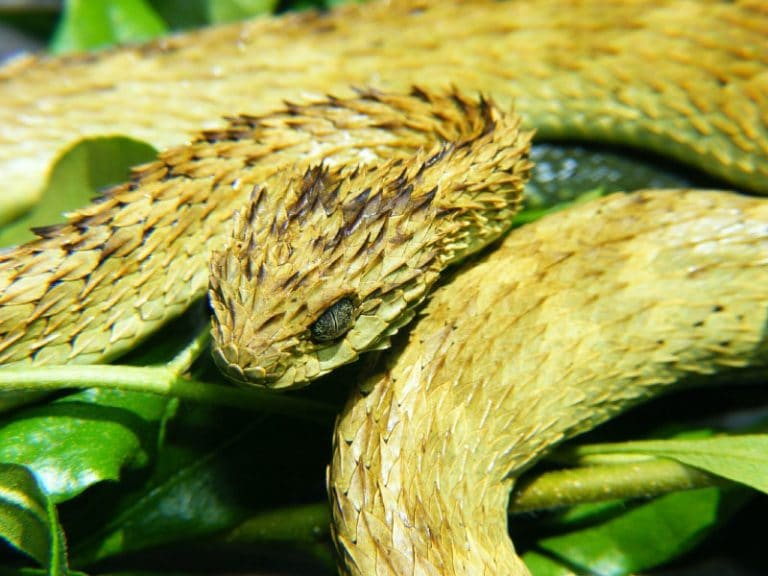
    Scientific Classification & Quick Facts Common name Hairy bush viper Scientific name Atheris hispida Kingdom Animalia Phylum Chordata Class Squamata Family Viperidae Genus Atheris Conservation status Least Concern Type Reptile (venomous viper) Diet Slugs, frogs, lizards, birds Habitat Rainforest; climbs stalks, reeds and leaves Native range Central Africa: Kenya, Uganda, DR Congo Size Males up…

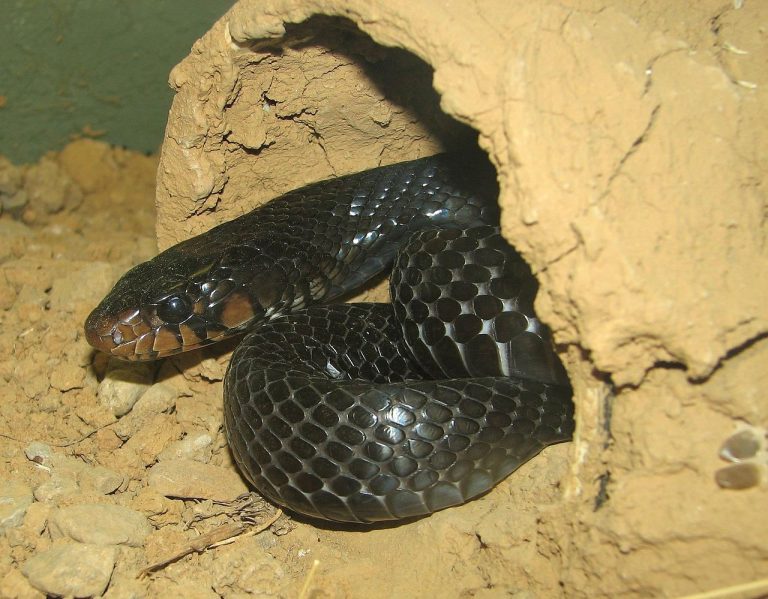
  • Indigo Snake

    Scientific Classification & Quick Facts Common name Eastern indigo snake Scientific name Drymarchon couperi Kingdom Animalia Phylum Chordata Class Squamata Family Colubridae Genus Drymarchon Conservation status Least Concern Type Reptile (non-venomous snake) Diet Lizards, frogs, snakes, turtles, birds, small mammals Habitat Pine flatwoods, dry prairies and gopher tortoise burrows Native range Southeastern United States, mainly…

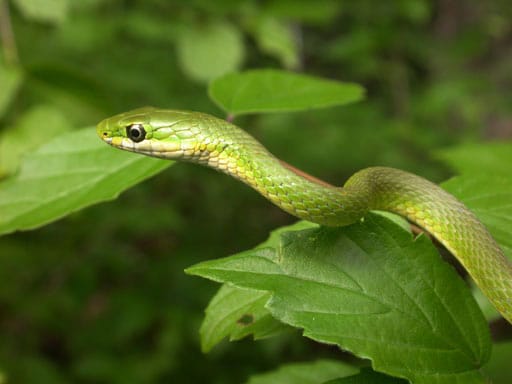
  • Green Snake

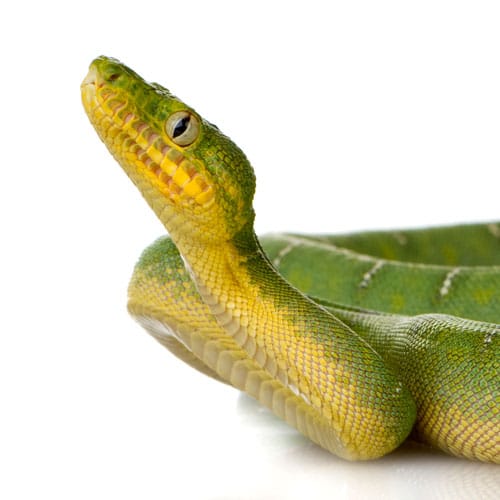
    Scientific Classification & Quick Facts Common name Green snake Scientific name Opheodrys Kingdom Animalia Phylum Chordata Class Squamata Family Colubridae Type Reptile (small snake) Diet Insects and spiders: grasshoppers, crickets, caterpillars Habitat Leafy areas near permanent water Native range North America Size Rarely over 90 cm (36 in) long Colours Bright green above, pale yellow…

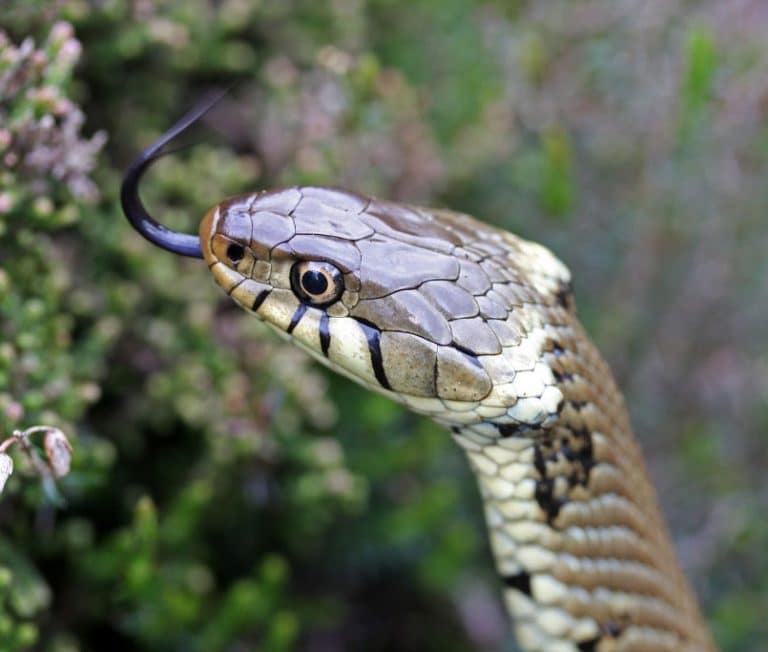
  • Grass Snake

    Scientific Classification & Quick Facts Common name Grass snake Scientific name Natrix natrix Kingdom Animalia Phylum Chordata Class Squamata Family Colubridae Genus Natrix Conservation status Least Concern Type Reptile (non-venomous snake) Diet Frogs, toads and newts; sometimes fish Habitat Near ponds, lakes, slow rivers and compost heaps Native range Europe and Asia Size Females up…

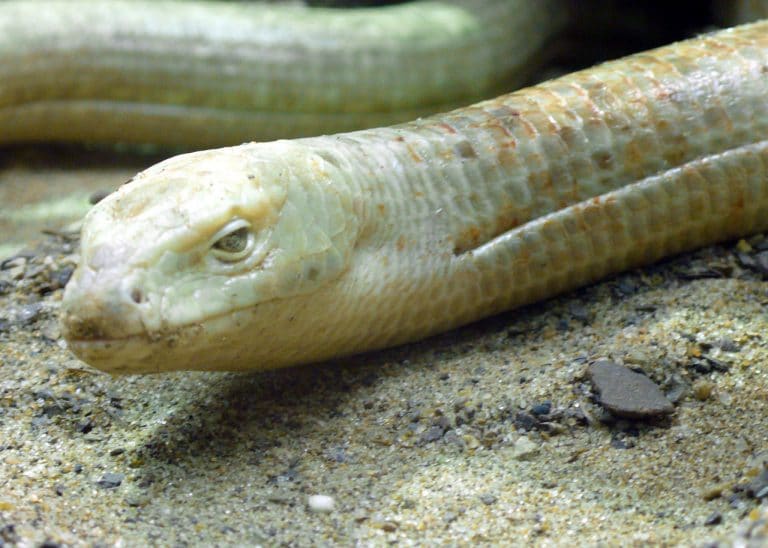
  • Glass Snake

    Scientific Classification & Quick Facts Common name Glass lizard Scientific name Ophisaurus Kingdom Animalia Phylum Chordata Class Squamata Family Anguidae Type Reptile (legless lizard) Diet Insects, worms, slugs, snails, small mammals Habitat Ground-dwelling; hides under logs and burrows Native range Asia, North Africa and southeastern US Size 18 in to 4 ft long Colours Black,…

  • Garter Snake

    Scientific Classification & Quick Facts Common name Garter snake Scientific name Thamnophis Kingdom Animalia Phylum Chordata Class Squamata Family Colubridae Type Reptile (non-venomous snake) Diet Earthworms, amphibians, fish, rodents, slugs Habitat Many habitats, often near water Native range North America, as far north as Alaska Size 46-137 cm (18-54 in) long Colours Three light stripes…

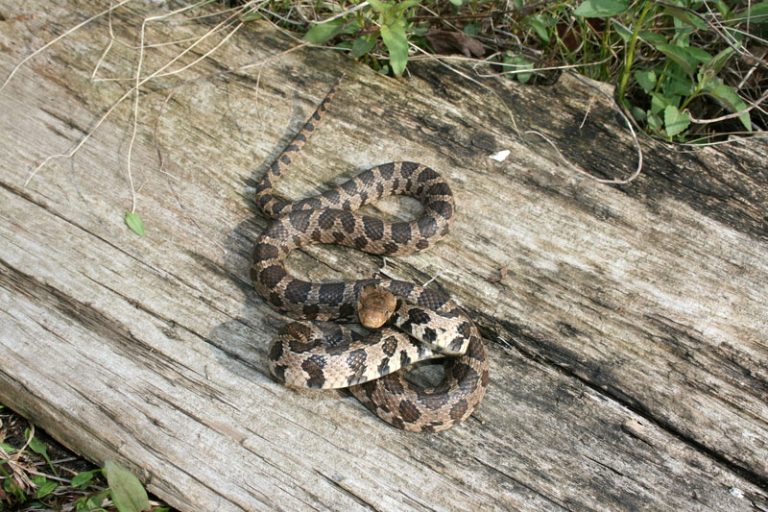
  • Fox Snake

    Scientific Classification & Quick Facts Common name Fox snake Scientific name Pantherophis Kingdom Animalia Phylum Chordata Class Squamata Family Colubridae Type Reptile (non-venomous rat snake) Diet Rodents, birds and frogs Habitat Open forests, farmland, prairies and marshes Native range Great Lakes region and Midwest United States Size 3-5 ft (90-150 cm) long Colours Yellowish or…

  • Flying Snake

    Scientific Classification & Quick Facts Common name Flying snake Scientific name Chrysopelea Kingdom Animalia Phylum Chordata Class Squamata Family Colubridae Type Reptile (mildly venomous tree snake) Diet Lizards, rodents, birds, bats Habitat Trees and forests Native range South and Southeast Asia Special feature Glides between trees by flattening its body Classification: GBIF Backbone Taxonomy. Flying…

  • Fear of Snakes

    Ophidophobia is the scientific name for a very common fear, the fear of snakes.  Of course, to be called ‘phobia’, the fear has to be excessive or abnormal.  Many people call the fear of snakes ‘herpetophobia’ which really is the abnormal fear of reptiles and amphibians in general.  The term Ophidophobia, has its roots in…

  • True Vipers of Europe

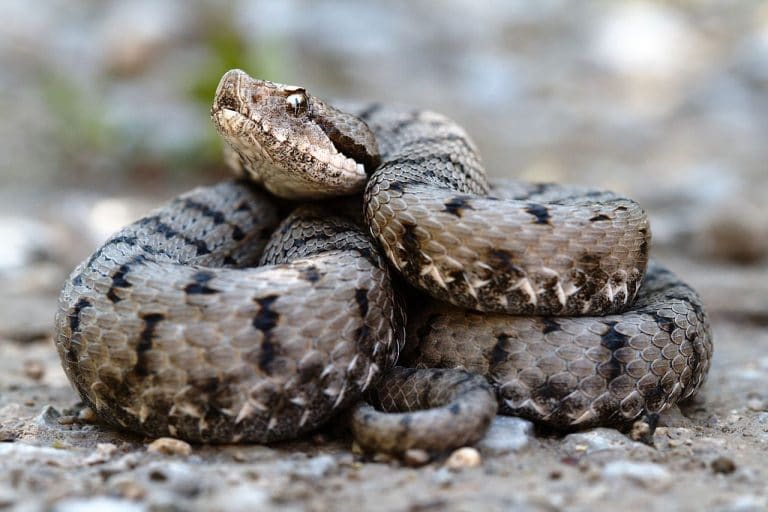
    The true vipers of Europe are a small group of venomous snakes in the viper family that live across the continent, from the Arctic Circle to the Mediterranean islands. Europe has far fewer dangerous snakes than places like Africa, Asia or Australia, and these vipers are mostly shy animals that bite only when they feel…

  • Emerald Tree Boa

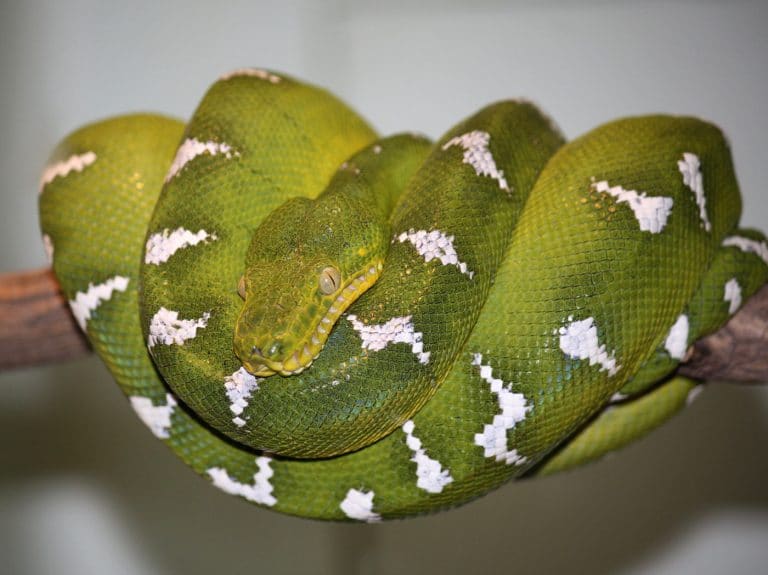
    Scientific Classification & Quick Facts Common name Emerald tree boa Scientific name Corallus caninus Kingdom Animalia Phylum Chordata Class Squamata Family Boidae Genus Corallus Conservation status Least Concern Type Reptile (non-venomous snake) Diet Rodents, lizards, marsupials Habitat Rainforest trees and canopy Native range Amazon Basin and northern South America Size Average 1.8 m (6 ft);…