Blog

  • Rattle Snake

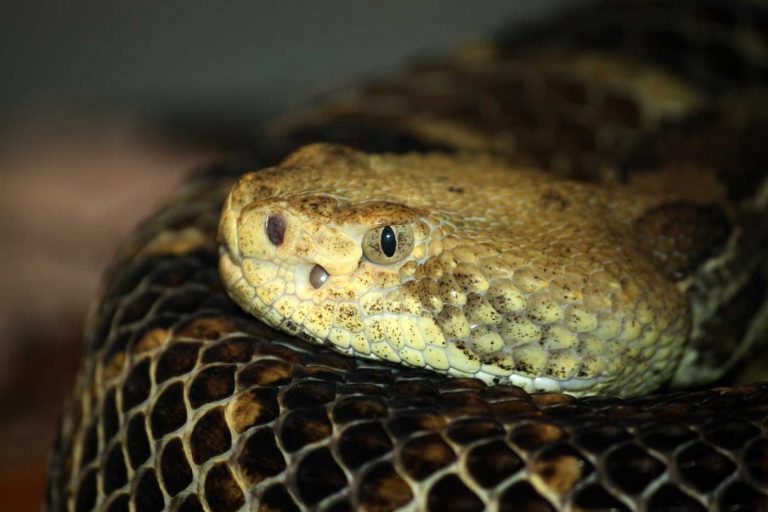
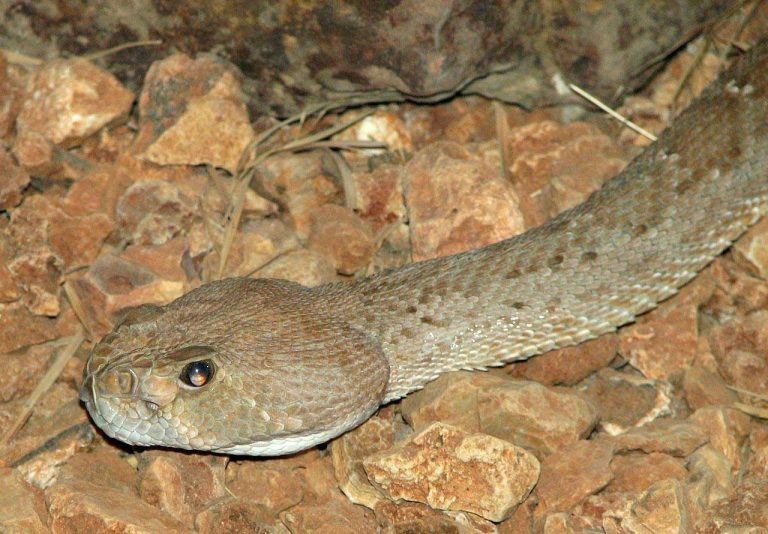
    Scientific Classification & Quick Facts Common name Rattlesnake Scientific name Crotalus Kingdom Animalia Phylum Chordata Class Squamata Family Viperidae Type Reptile (venomous pit viper) Diet Small mammals, birds, reptiles, other snakes Habitat Deserts, meadows, swamps and marshes Native range The Americas, southern Canada to Argentina Special feature Rattling tail and heat-sensing facial pits Classification: GBIF…

  • Rat Snake

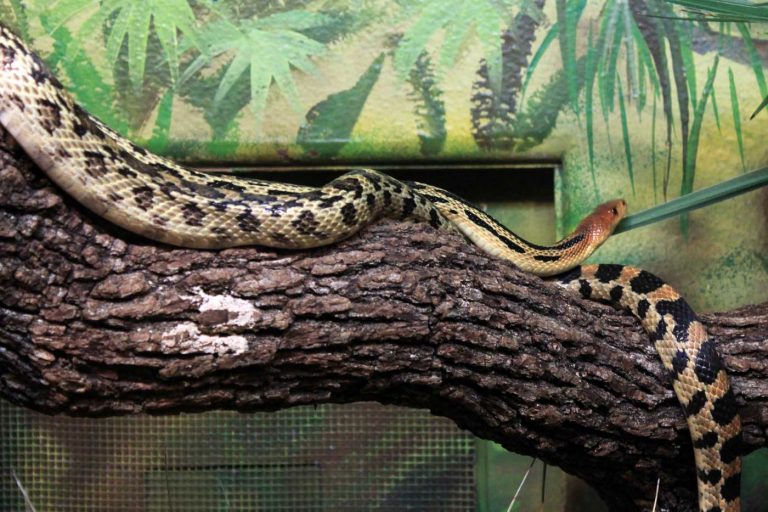
    Scientific Classification Kingdom:   Animalia Phylum:     Chordata Subphylum:     Vertebrata Class:       Reptilia Order:        Squamata Suborder:        Serpentes Family:        Colubridae Genus:        Various Quick Facts Common name Rat snake Type Reptile (non-venomous constrictor snake) Diet Rodents and birds Habitat Rocky wooded hills, forests, floodplains and barns Native range Northern Hemisphere, including southeastern US Size 3-5…

  • Queen Snake

    Scientific Classification & Quick Facts Common name Queen snake Scientific name Regina septemvittata Kingdom Animalia Phylum Chordata Class Squamata Family Colubridae Genus Regina Conservation status Least Concern Type Reptile (non-venomous snake) Diet Soft, newly molted crayfish, newts, tadpoles, snails Habitat Clear, rocky streams; basks on branches Native range Eastern United States Size 15-24 in (38-61…

  • Pythons

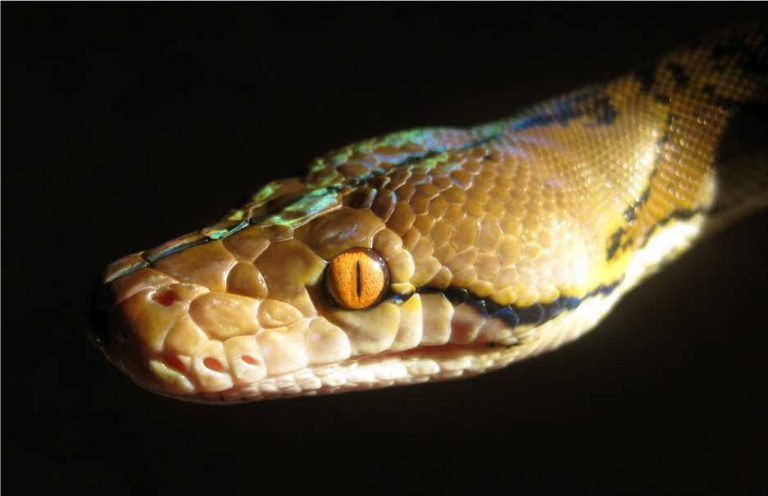
    Scientific Classification & Quick Facts Common name Pythons Scientific name Pythonidae Kingdom Animalia Phylum Chordata Class Squamata Type Reptile (non-venomous constrictor snakes) Diet Mammals and birds, from rats to antelopes Habitat Woodlands, rainforests and grasslands, often near water Native range Africa, Asia and Australasia Size About 1 m to nearly 7 m long Special feature…

  • Poisonous Snakes

    Venomous or poisonous snakes are Serpentes suborder species that are capable of producing venom. The prominent venomous snakes are members of the Atractaspididae, Viperidae, Elapidae, and Colubridae families. You can describe venomous snakes as reptiles that are capable of producing toxins in specialized glands,  and possess a particular system of delivering the venom, injected using…

  • Pit Vipers

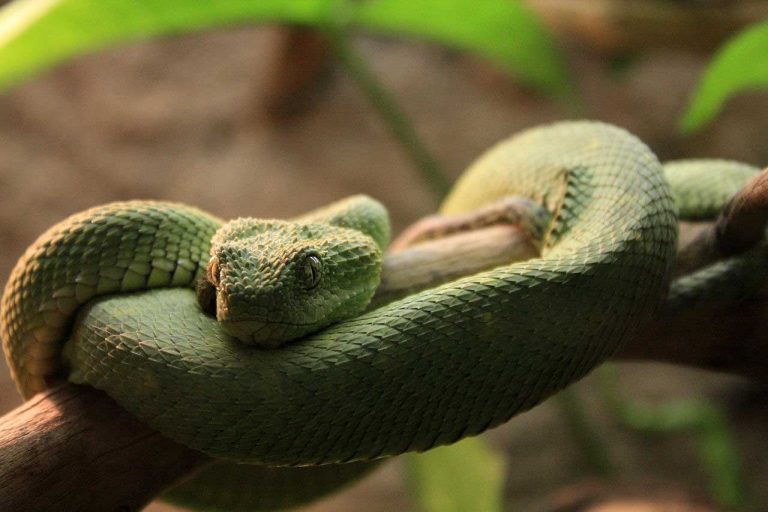
    Pit vipers, also called pit Adders, belonging to the subfamily Crotalinae, are highly venomous snakes,  native to the Americas and Asia. You do not find this pit viper snake in Africa and Europe, where the Viperidae or true vipers are found. Pit viper Quick Facts Common name Pit viper Scientific name Crotalinae Type Reptile (highly…

  • Pine Snake

    Scientific Classification & Quick Facts Common name Pine snake Scientific name Pituophis melanoleucus Kingdom Animalia Phylum Chordata Class Squamata Family Colubridae Genus Pituophis Conservation status Least Concern Type Reptile (large colubrid snake) Diet Rodents such as rats and mice Habitat Pine barrens, dry mountains; digs burrows Native range Southeastern United States, up to New Jersey…

  • Northern Water Snake

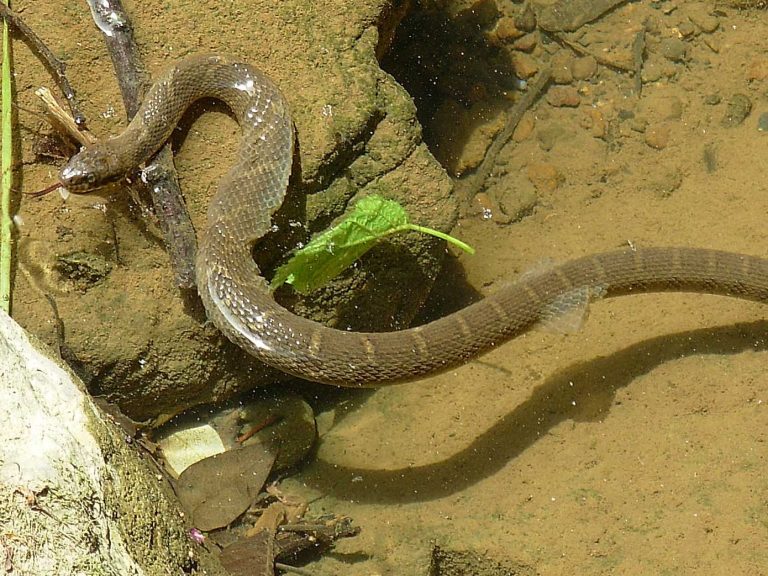
    Scientific Classification & Quick Facts Common name Northern water snake Scientific name Nerodia sipedon Kingdom Animalia Phylum Chordata Class Squamata Family Colubridae Genus Nerodia Conservation status Least Concern Type Reptile (water snake) Diet Fish, frogs, crayfish, leeches, salamanders, young turtles Habitat Streams, rivers, lakes, ponds, marshes and canals Size Up to 140 cm (55 in)…

  • Monocled Cobra

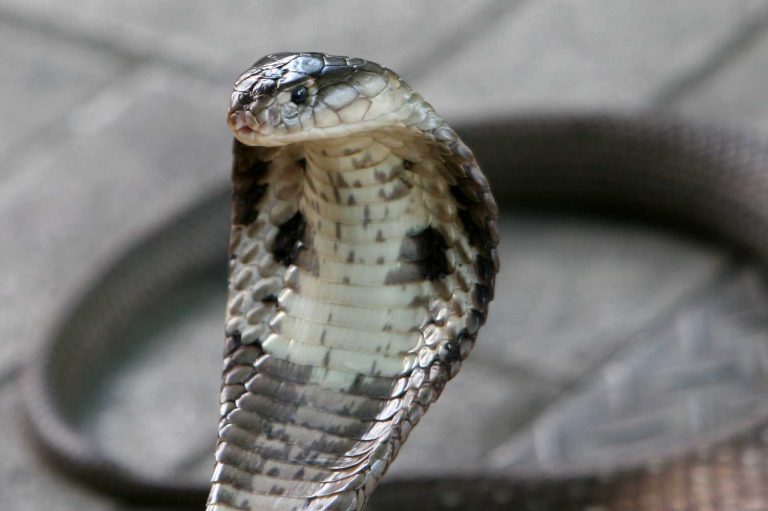
    Scientific Classification & Quick Facts Common name Monocled cobra Scientific name Naja kaouthia Kingdom Animalia Phylum Chordata Class Squamata Family Elapidae Genus Naja Conservation status Least Concern Type Reptile (highly venomous cobra) Diet Frogs, toads, rodents, fish, birds, snakes Habitat Swamps, mangroves, paddy fields, grassland, forests Native range South and Southeast Asia, India to Vietnam…

  • Milk Snake

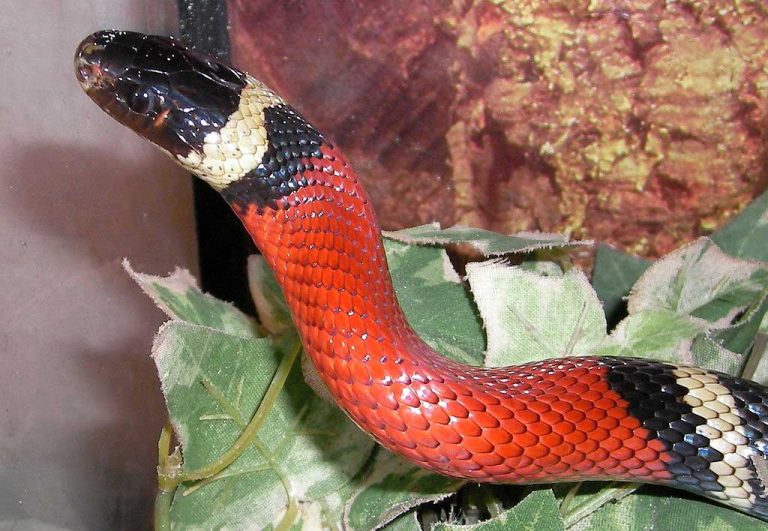
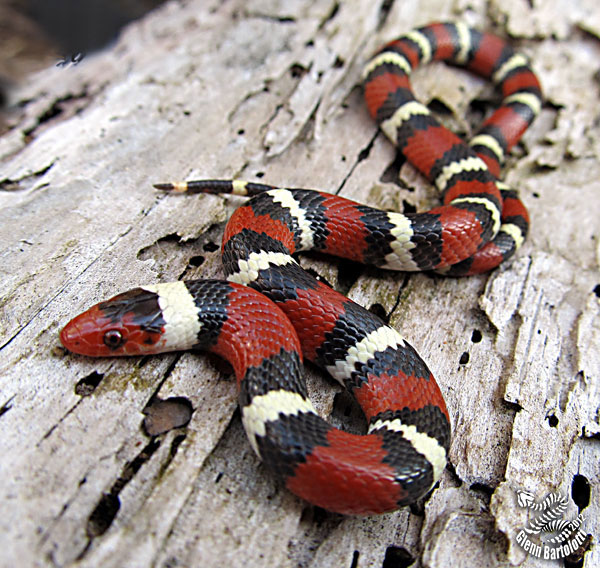
    Scientific Classification & Quick Facts Common name Milk snake Scientific name Lampropeltis triangulum Kingdom Animalia Phylum Chordata Class Squamata Family Colubridae Genus Lampropeltis Conservation status Least Concern Type Reptile (non-venomous snake) Diet Rodents, amphibians, birds, reptiles including snakes Habitat Forests, prairies, rocky slopes and farms Native range Eastern United States and southern Ontario Size 20-60…

  • Malagasy Leaf-Nosed Snake

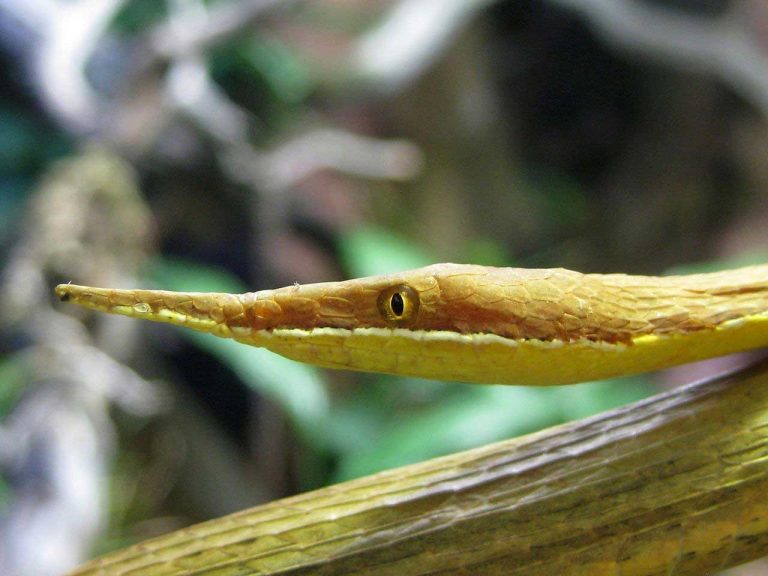
    The Malagasy leaf-nosed snake belongs to the species  Langaha  Madagascariensis. They are a species of poisonous snakes, also known as Madagascar (Leaf-nosed) Snakes. These snakes have characteristic scaly appendages on the snout. These reptiles get their name from these leaf-like structures. The appendages appear jagged and leaf-like in the females while the scales are long and…

  • King Snake

    Scientific Classification & Quick Facts Common name Kingsnake Scientific name Lampropeltis Kingdom Animalia Phylum Chordata Class Squamata Family Colubridae Type Reptile (non-venomous snake) Diet Rodents, birds, amphibians, reptiles including snakes Habitat Hills, deserts, savannas, thin woodland Native range Western North America, e.g. California to Colorado Colours Black with yellow or white bands, rings or spots…