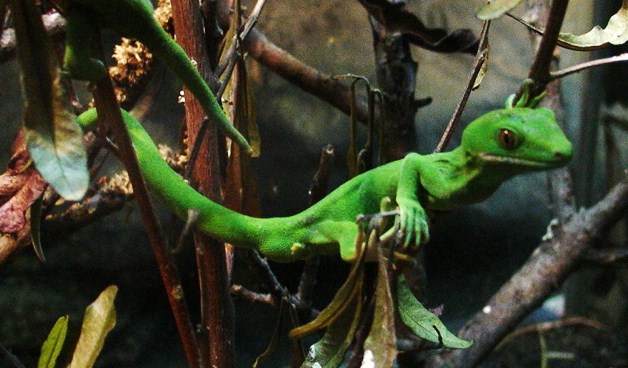
Crested Gecko – Famous in the Pet Trade
A variety of species of Geckos native to the southern part of New Caledonia are the New Caledonian Crested Geckos or the Eyelash Gecko, Guichenot’s(giant) Gecko or Correlophus ciliates. This species, which many considered extinct, resurfaced in 1994. At the convention of International Trade relating species under the flora and fauna, considered endangered, among the Rhacodactylus species, they gave the Crested Gecko, protected status. These geckos are famous in the pet trade.
Anatomy
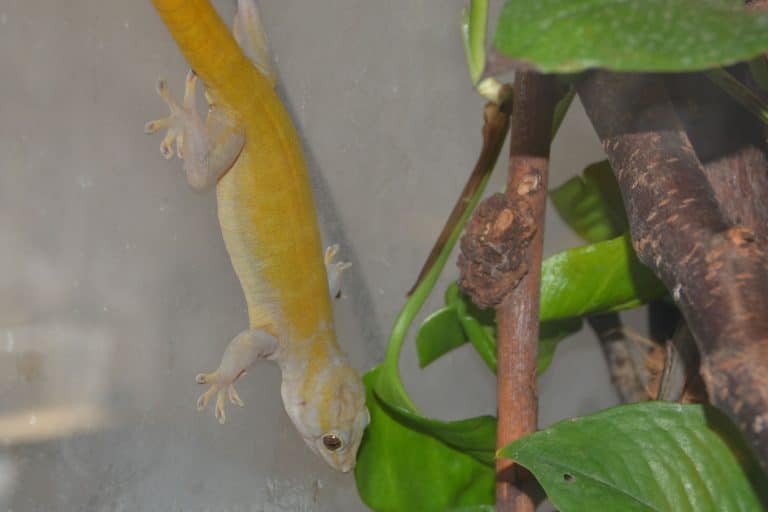
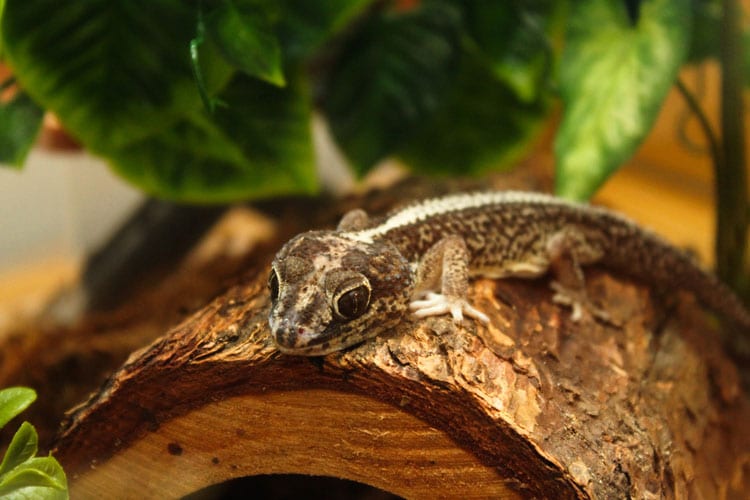
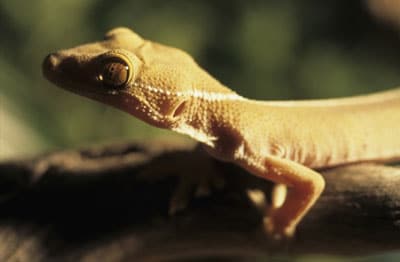
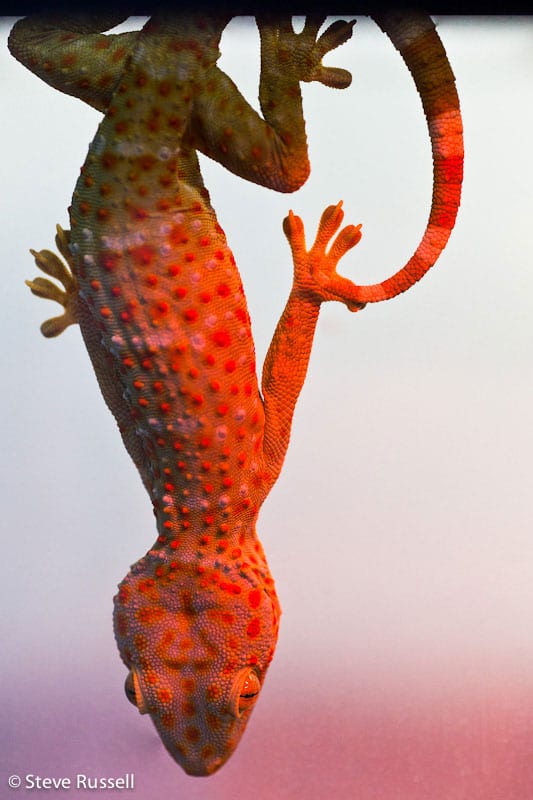
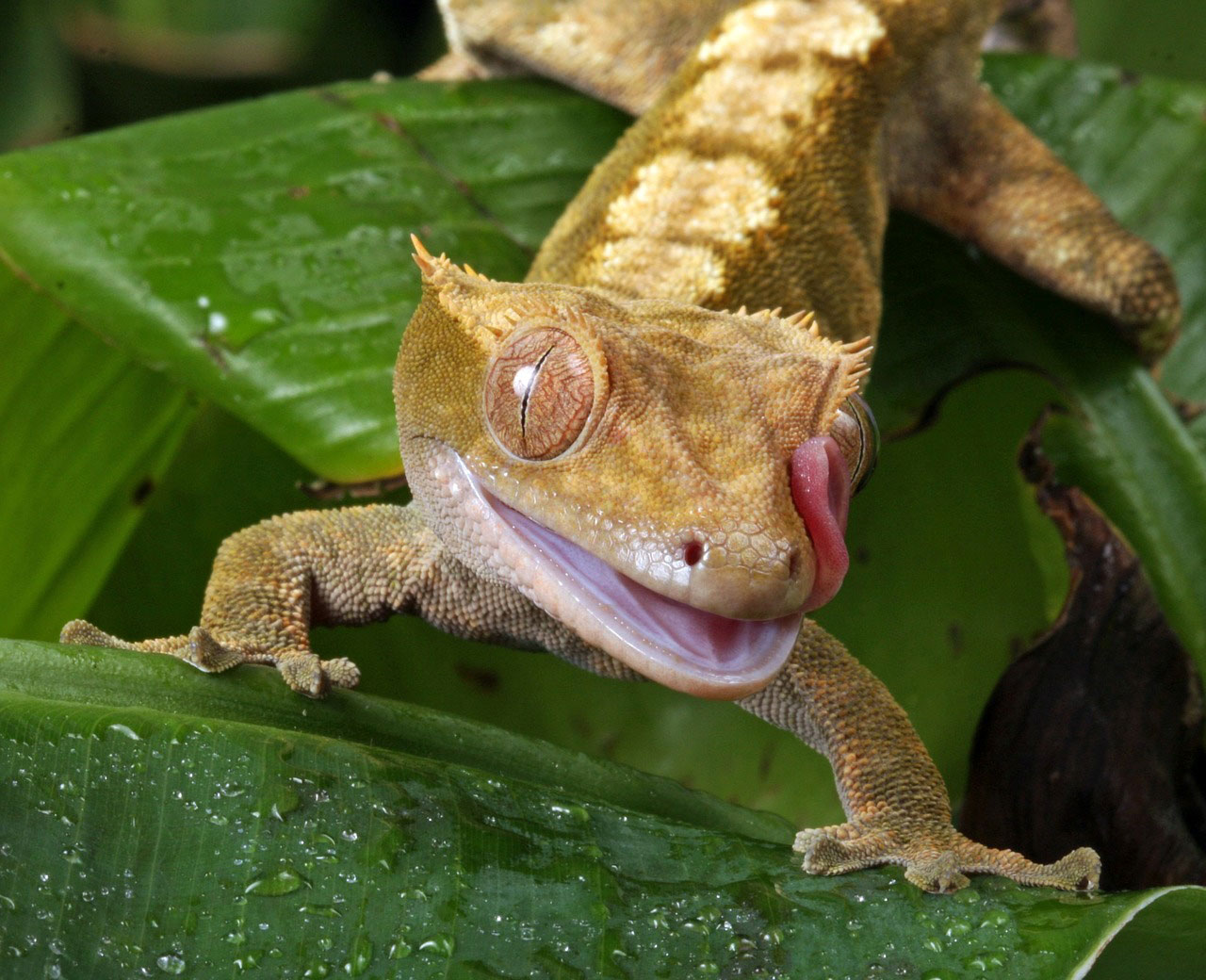
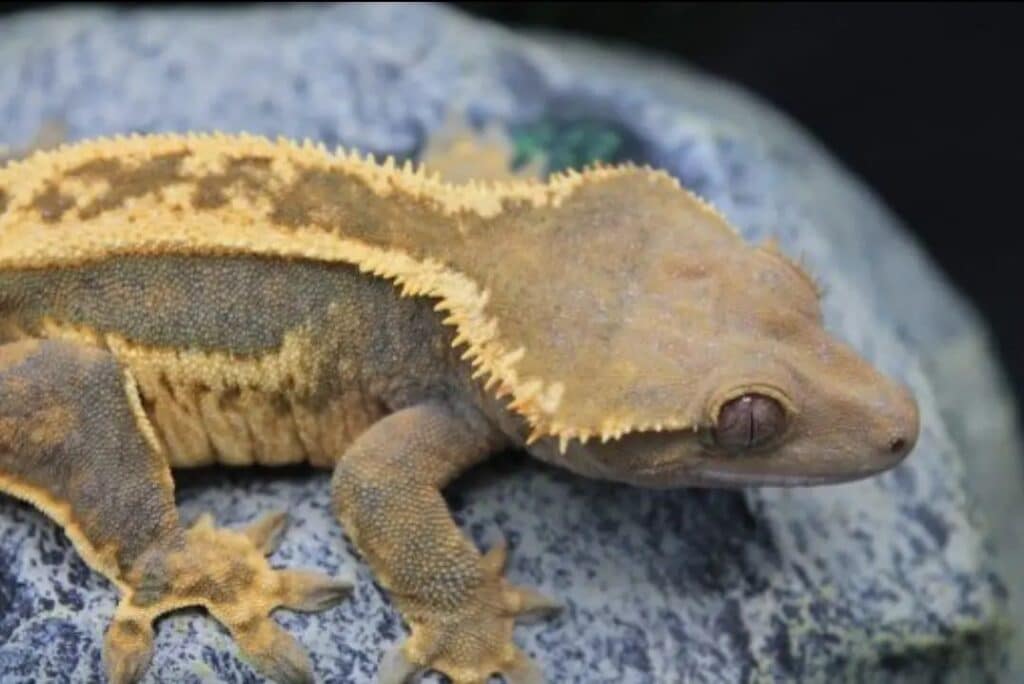
A simple crested gecko has hairs protruding above the eye, like eyelashes, and has a head with a wedge shape and a ridge running from the two eyes to the tail. Small hairs known as setae cover the tip of the tail and the toes. You will find millions of these setae with the dry adhesion mechanism on the toes of these geckos. Each seta has hundreds of minute hairs, each with a diameter of about 200 nanometers and they call them spatula. The gecko, to climb on moist solid surfaces having weak attractive forces between molecules, uses these hairy formations. Small claws on the toes help them to climb surfaces. The tail grasps a tree branch like an anchor.
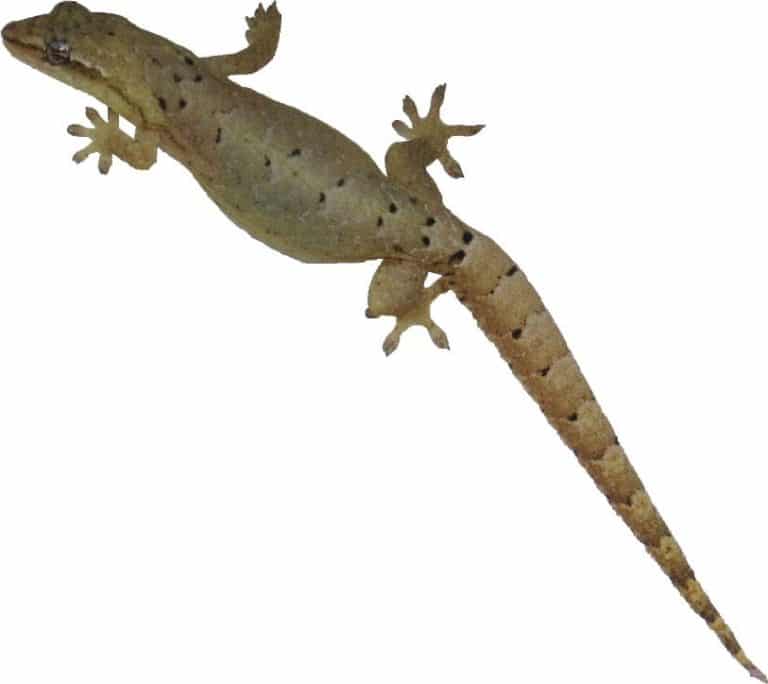
The tail never regenerates. You find the Crested Gecko in clusters of colors like yellow of different shades, gray, red and brown. Their markings differ as straight stripes, spots and tiger-like stripes. These have no geographic indications; the same group offspring exhibiting different markings and coloration. At night these colors become brighter and more conspicuous.. The tail grasps a tree branch like an anchor.
Food
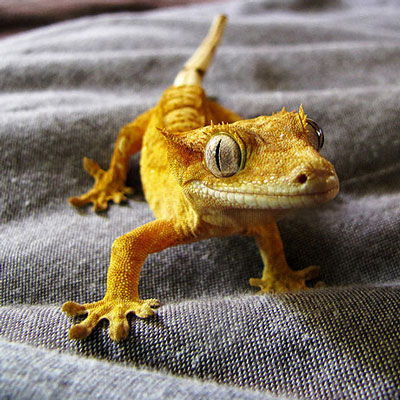
You only need to mix commercially available dry food with water or proper crushed fruit, and that makes feeding the Crested Geckos easy. Feed them with live crickets, small locusts and wax worms as food, twice or thrice a week. Vary their diet with different insects. When the wax worms become a pupa and generate moths, Geckos will consume them. Generally feed your Gecko with insects, dimensionally not exceeding the distance between the lizard’s eyes, since they eat them whole. Ensure good food quality at planned intervals. You can feed them with gut-loaded insects of high nutritious value and supplement insects treated with vitamin and calcium. The white appearance in the upper part of their mouth in the Crested Geckos represents calcium sacs. Be sure that you clear the leftovers from its terrarium the following day.
Habitat
The Crested geckos’ dwells in the rain forest of southern New Caledonia. They are tree dwellers; hence, crested gecko cages are tall with a sufficient climbing space. In nature, they have a tropical environment 68 to 86° F (26-30° C), During June to August, the climate is cooler. Inside the cage, support the temperature at around 72-80° F (23-27° C).
You cannot export wild Crested Geckos. Prior to this prohibiting law, biologists exported many specimens for the purposes of study and breeding. Because of these restrictions, both United States and Europe recognized several offspring produced from these specimens and kept the breeding lines live and now, compared to other reptiles, breeding crested geckos is easier and better established the world over. The females produce eggs abundantly and lay 15-22 eggs that they bury. These will hatch within 56-60 days.
Housing
The ideal home for young geckos is plastic terrariums which are light and easy to clean. An adult crested gecko will need a full 20-gallon plastic tank with a top screen as its home. In areas with moderate humidity levels, you would do well to house these crested geckos in screen cages. Keep only one crested gecko male with many females, since males fight among themselves in the company of females.
Having discovered a fondness for insects while pursuing her degree in Biology, Randi Jones was quite bugged to know that people usually dismissed these little creatures as “creepy-crawlies”.