How Long do Geckos Live?
Gecko Lifespan is Directly Proportional to the Care You Give it
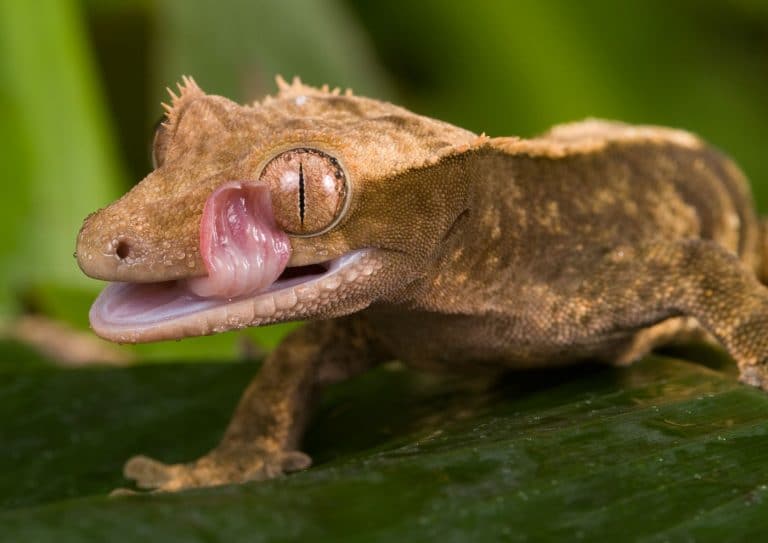
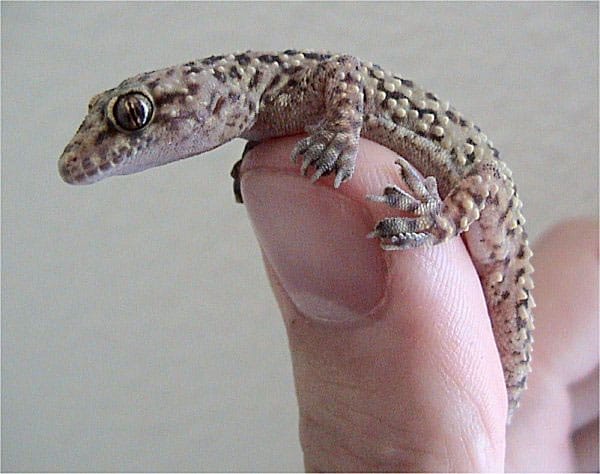
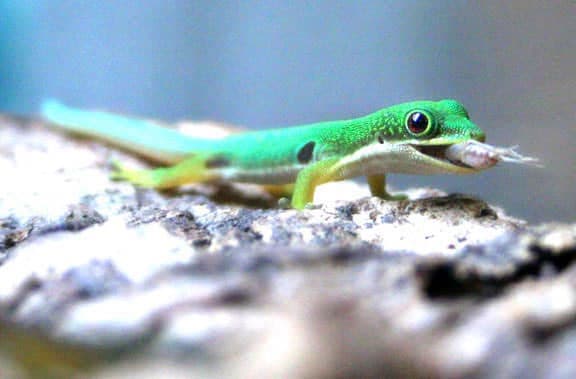
Gecko lizards, belonging to the family of infra order Gekkota, inhabit the warm climate worldwide. Their size varies from 60 to just 1.6 cm and most of them are unable to wink. Each of their eyes has a fixed lens that becomes bigger at night.
Geckos have a very unique language and use chirping sounds for socializing with others. Worldwide, there are about 1500 varieties of this lizard. The English and New Latin gecko branched from the Indonesian-Malay gecko, which is derivative of the sound they make.
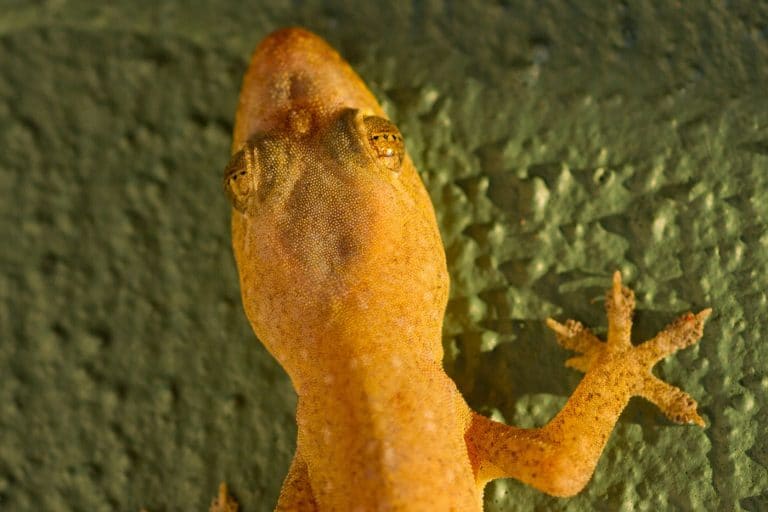
A number of gecko species are known to lose their tails in self defense. Many verities have special toes, enabling them to go up smooth vertical surfaces. These can easily traverse indoor ceilings. This variety is very popular in countries with warm climate and many of them reside within houses occupied by humans. Many welcome this genus as it feeds on small insects, including mosquitoes. Usually, geckos are nocturnal and good climbers.
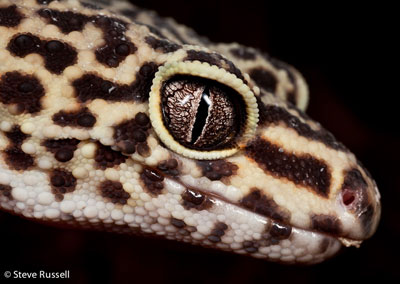
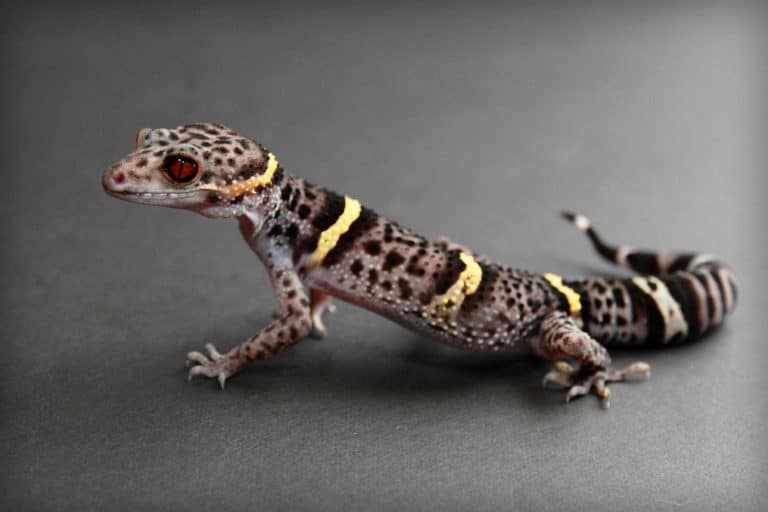
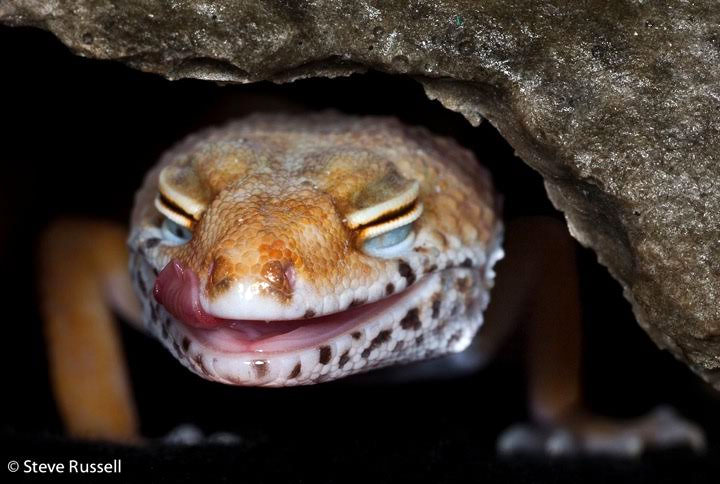
The life of a pet gecko depends on many factors, but mainly on care and diet. Choice of an appropriate gecko as a pet also allows it to live long. Provision of a home, similar to its natural habitat helps reduce its stress and thus prolongs its lifespan. The other factors that influence a gecko lifespan are diseases and genetics. Breeders who try realizing different colors and patterns through inbreeding can also reduce their lifespan due genetic flaws.Just for information, the oldest leopard gecko life recorded in captivity is 39 years.
Removing a wild animal from its natural surroundings, and forcing it to live in custody also affects its lifespan. This is valid even for exotic pets which are bred and nurtured at home right from their birth. However, the gecko lifespan can be enhanced by taking appropriate care of your pet and providing natural diet and creating the fitting environment for pet lizards.
Cleaning the Gecko’s tank regularly and properly is important to prevent the lizard from contracting diseases and illnesses that could shorten its life. Keep the tank neat and sterilized as also dry and warm like their original habitat, if you want your pet Geckos to live longer. It is paramount to provide your gecko with a place to hide which is where they normally retreat in the wild when threatened by predators. If they do not have this retreat they will succumb to stress and consequent illness.
A Gecko’s existence depends largely on its balanced diet. Failure to adhere strictly to its nutritional needs can result in bone fragility, or osteodystrophy, leading to immobility and bone deformity, and consequently a shortened gecko life span. To avoid this condition you must ensure to feed the Geckos with crickets and other insects after gut-loading them and dusting them with vitamin powder containing calcium. Egg laying female Geckos will certainly benefit from these supplements.

Having discovered a fondness for insects while pursuing her degree in Biology, Randi Jones was quite bugged to know that people usually dismissed these little creatures as “creepy-crawlies”.