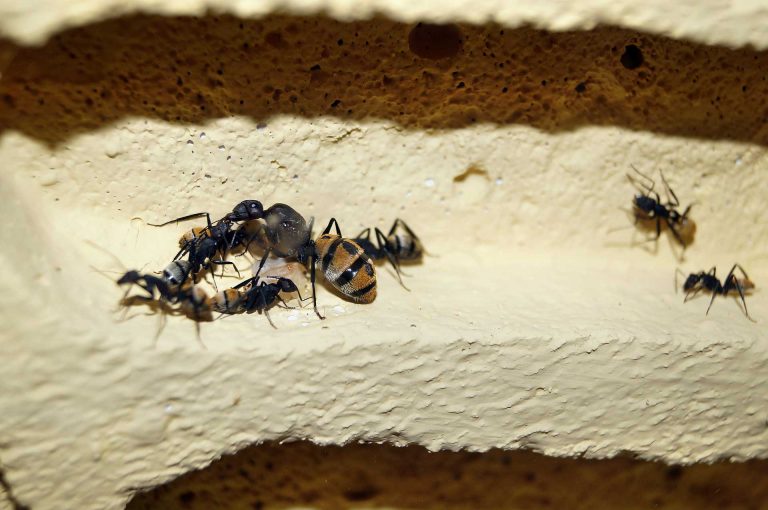
Ant Facts for Kids: Colonies, Diet and Fun Facts
Quick answer: An ant is a small insect that lives in a group called a colony, with one or more queens and many female workers. Ants live almost everywhere on land except Antarctica. Different ants eat nectar, seeds, insects or fungus they grow themselves. Ants talk to each other using scents called pheromones, and some can carry about 50 times their weight.
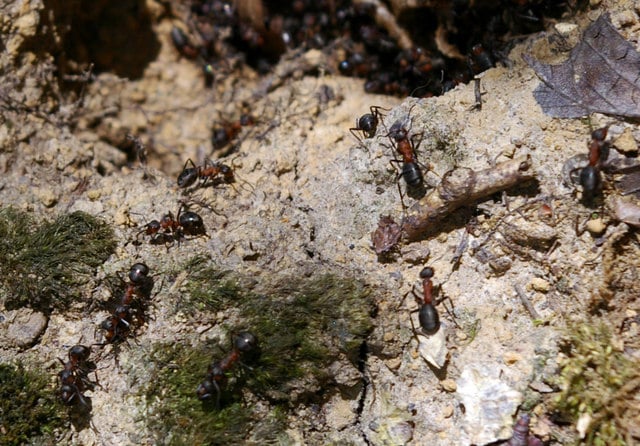
Look closely at a sidewalk crack or a tree trunk on a summer day and you will probably see a line of ants marching along. Each ant is tiny, but together they can build huge nests, find food and protect their home.
Ants are among the most common animals on Earth. Here you will learn how an ant colony works, what ants eat, how they talk without words and how to tell an ant from a termite.
Teachers and students: you’re welcome to use this fact sheet in lessons and projects with credit to Learn About Nature.
Free printable: Download the Ant fact file worksheet (PDF) – draw the animal, fill in the facts and match key words. Answer key included.
Ant Quick Facts
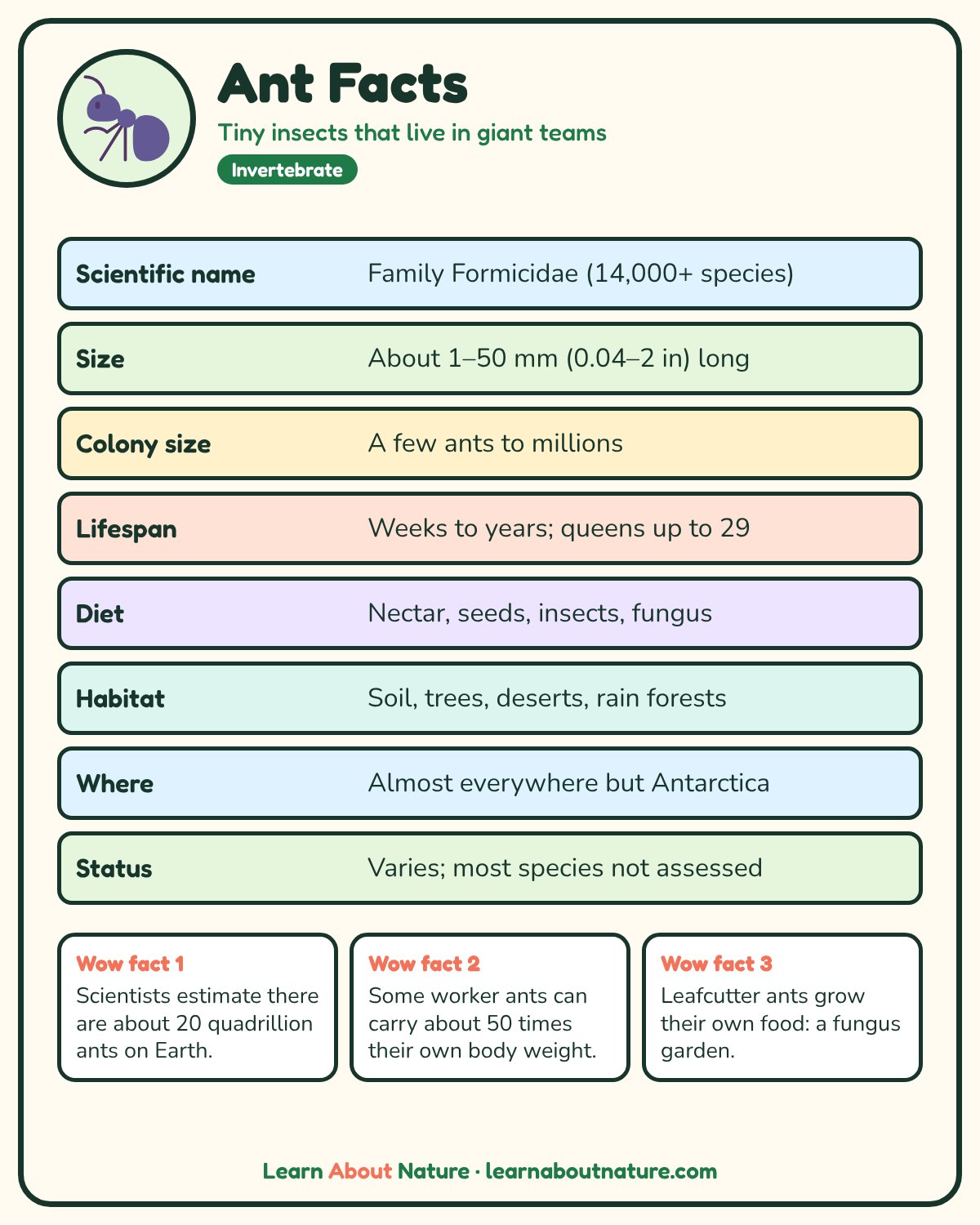
| Class | Insect |
| Family | Formicidae (order Hymenoptera, with bees and wasps) |
| Number of species | About 14,000–15,000 named |
| Size | About 1–50 mm (0.04–2 in) |
| Colony size | A few ants to about 8 million |
| Life stages | Egg, larva, pupa, adult |
| Longest-lived queen | About 29 years (black garden ant) |
| Ants on Earth | At least 20 quadrillion (estimate) |
| Conservation | Varies; only about 1% of species assessed by IUCN |
What Is an Ant?
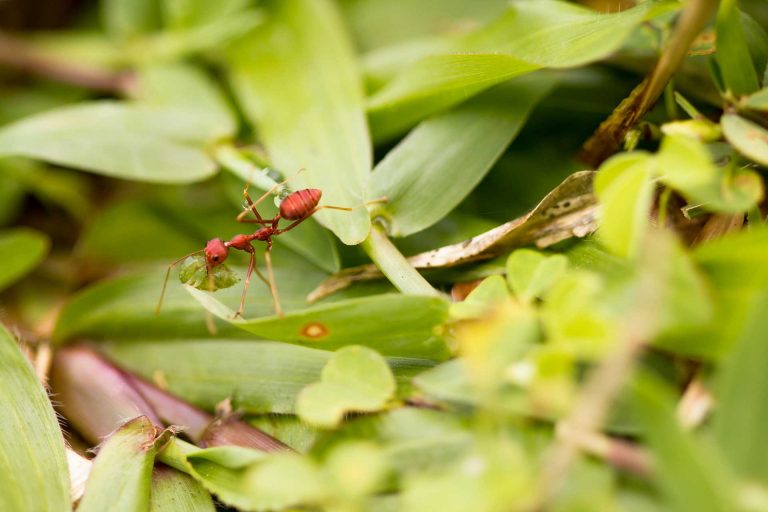
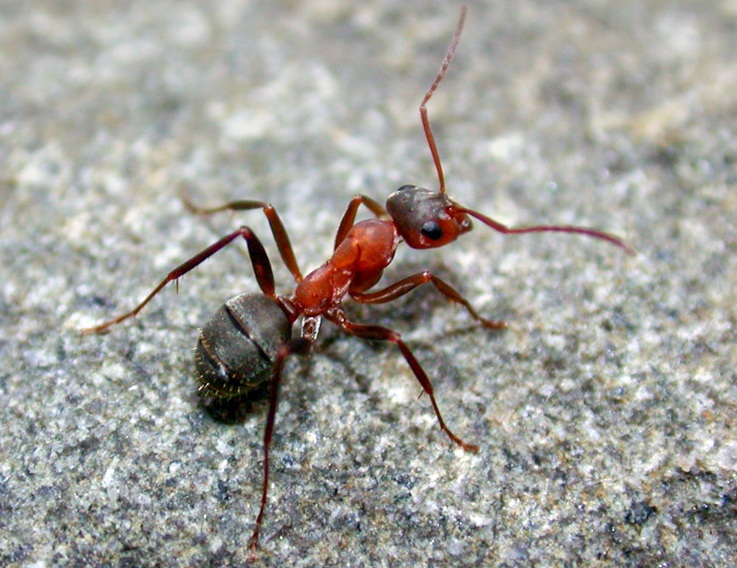
An ant is an insect. Like other insects, it has six legs and three main body parts: a head, a thorax and an abdomen. Ants belong to a family called Formicidae, and they are close relatives of bees and wasps.
Scientists have named about 14,000 to 15,000 kinds of ants, and many more are still waiting to be discovered. Ants come in many sizes, from about 1 millimeter (0.04 inch) to about 50 millimeters (2 inches) long. Most are black, brown or reddish.
Two features help you spot an ant. It has a narrow, pinched waist with one or two small bumps, and its antennae bend in the middle like an elbow.
When danger comes, most worker ants simply run away. Soldier ants are different. They stand their ground and defend the colony by biting, spraying stinging chemicals or using a stinger at the tip of the abdomen.
Where Do Ants Live?
Ants live almost everywhere on land except Antarctica, Iceland, Greenland and a few islands. About two-thirds of ant species live in tropical forests and savannas.
Some countries have huge numbers of ant species. Australia alone has more than 1,275 described kinds, and most of them live nowhere else in the world.
Most ant colonies nest in the soil, building tunnels and rooms underground. Others live under rocks, inside dead wood or high in trees. Army ants do not build a permanent nest. When they stop marching, the workers link their legs together to make a living nest called a bivouac that protects the queen and young.
What Do Ants Eat?
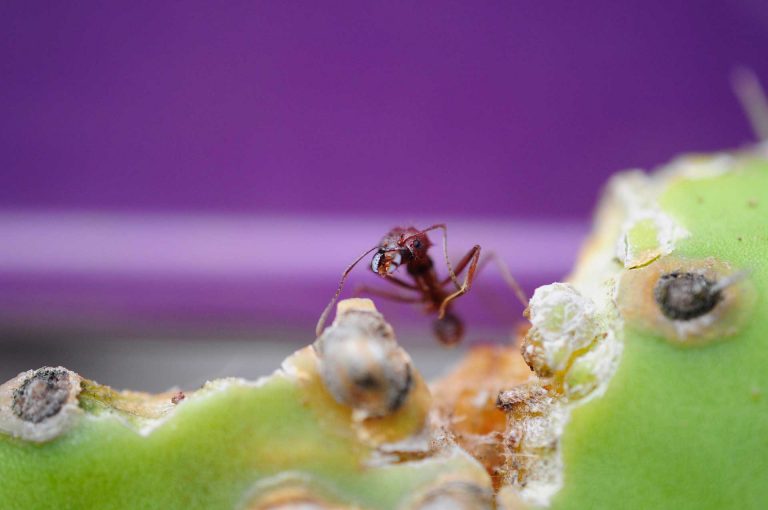
Ants eat many kinds of food. Some gather seeds. Some hunt insects and spiders. Many drink nectar and other sweet liquids, and some care for tiny insects called aphids, which give off a sugary liquid called honeydew that the ants drink.
Leafcutter ants are farmers. They cut pieces of leaves and carry them home, but they do not eat the leaves. Instead, they use them to grow a fungus garden, and the fungus is their food.
Adult ants mostly feed on liquids. They bring solid food back to the nest for the growing larvae. In deserts, honeypot ants have special workers whose bellies swell up with stored nectar, like living jars of food for the colony.
How Ants Talk: Scent Trails
Ants mostly talk with smells. They release chemicals called pheromones from glands in their bodies, and other ants pick up these smells with their antennae.
When a worker finds food, she leaves a scent trail on the way home. Other workers follow the trail to the food, adding more scent as they go. That is why you often see ants walking in a neat line.
Ants use other smells to sound an alarm when danger is near and to tell nestmates from strangers. When an ant dies, it gives off a special smell, and the other ants carry its body out of the nest.
Life in an Ant Colony
Ants are social insects that live in colonies. A colony may have just a few ants or many millions. Each ant has a job:
- Queen: lays the eggs. Some colonies have one queen, and some have many. A black garden ant queen has lived about 29 years, the longest life recorded for any social insect.
- Workers: female ants that usually do not lay eggs. They find food, care for the young, build and clean the nest and defend it. In some species, big workers called soldiers have extra-strong jaws.
- Males: appear only at certain times. Their job is to mate with young queens, and they die soon after.
Ant Life Cycle
Ants go through complete metamorphosis with four stages: egg, larva, pupa and adult. Workers carry the eggs to special nursery rooms, feed the wormlike larvae and protect the pupae until they become adults.
A queen may lay thousands or even millions of eggs during her life, so a healthy colony keeps growing for many years.
New colonies begin with a flight. On a warm day, often after rain, young winged queens and males leave the nest and fly off to mate. Each young queen then lands, loses her wings and looks for a place to start a new colony. Many of these flying ants are eaten by birds, so only a few queens succeed.
Ants vs Termites: What’s the Difference?
Termites also live in big colonies, and flying termites are often mistaken for flying ants. But termites are not closely related to ants. Here is how to tell them apart:
- Waist: ants have a narrow, pinched waist. Termites have a thick body with no pinched waist.
- Antennae: ant antennae are bent like an elbow. Termite antennae are straight.
- Wings: in winged ants, the front wings are longer than the back wings. In winged termites, all four wings are about the same size and pale or see-through.
- Color: ants can be black, brown or reddish. Winged termites are usually blackish-brown to black.
Why Ants Matter and Conservation Status
Ants are very important to nature. They dig tunnels that mix and loosen the soil, sometimes better than earthworms. They spread seeds, help break down dead plants and animals and are food for many animals, such as anteaters and birds. Most ants are harmless to people, though some can bite or sting if their nest is disturbed, so it is best to watch them without poking the nest.
Only about 1 percent of ant species, about 141 kinds, have been assessed for the IUCN Red List, so conservation status varies by species and is unknown for most ants. One example is the Australian dinosaur ant, nicknamed for its ancient-looking body. It was listed as Critically Endangered in 1996, when only a few small colonies were known. Like many insects, ants can be harmed when the places they live are cleared or damaged.
Fun Facts About Ants
- Scientists estimate that at least 20 quadrillion ants live on Earth, about 2.5 million for every person.
- All the ants on Earth together weigh more than all the wild birds and wild mammals combined.
- Some worker ants can carry about 50 times their own body weight.
- Leafcutter ants help create natural firebreaks in the Amazon rain forest.
- An ant colony can hold up to about 8 million ants.
Fast Facts for Young Readers
- An ant is an insect with six legs.
- Ants live in groups called colonies.
- The queen ant lays all the eggs.
- Worker ants find food and look after the babies.
- Ants talk to each other with smells.
- Some ants grow their own food.
- Ants have bent antennae and a skinny waist.
Key words: colony – a group of animals of one kind that live and work together; pheromone – a chemical smell an animal uses to send messages to others of its kind; queen – the ant that lays eggs for the colony; larva – the young, wormlike stage of an insect after it hatches from an egg; metamorphosis – a big change in body shape as an animal grows up.
Try this: Put a few crumbs of cookie on a paper plate near an ant trail outdoors and watch from a short distance. Time how long it takes the first ant to find the food and count how many ants arrive in the next 10 minutes.
Related Guides
Ant FAQs
How many ants are there in the world?
Scientists estimated in 2022 that there are at least 20 quadrillion ants on Earth, which is about 2.5 million ants for every person. Together, all those ants weigh more than all the wild birds and wild mammals combined. There are about 14,000 to 15,000 named kinds of ants.
How do ants communicate?
Ants communicate mostly with smells called pheromones. They release these chemicals from glands and sense them with their antennae. Ants lay scent trails to lead nestmates to food, give off alarm smells when there is danger and use smell to recognize members of their own colony.
How long do ants live?
It depends on the type of ant and its job. Worker ants may live for several weeks to several years. Queens live much longer. A black garden ant queen has lived about 29 years, the longest recorded lifespan of any social insect. Male ants die soon after mating.
What is the difference between ants and termites?
Ants have a narrow, pinched waist and antennae that bend like an elbow. Termites have a thick body with no pinched waist and straight antennae. Winged ants have front wings longer than their back wings, while winged termites have four wings of about the same size.
How strong are ants?
Ants are very strong for their size. Some worker ants can carry about 50 times their own body weight. Ants also work together, so a group of workers can move food or objects much too heavy for one ant to carry alone.
Sources: Ants – San Diego Zoo Wildlife Alliance; Ant, family Formicidae – Australian Museum; Ants – National Geographic; How many ants are on Earth? 20 quadrillion, study says – Phys.org; Ants and Termites: How to Tell the Difference – University of Maryland Extension; Conservation Status – AntWiki

Nato is a content writer and researcher with a background in psychology who’s eager to explore the wonders of nature. As a travel enthusiast and animal lover, she hopes to inspire others to discover and cherish the beauty and importance of the natural world. She also writes about the history of candy and snacks for Snack History and about food and healthy eating for The Fitchen.