What Do Lizards Eat?
Lizards are one of the biggest families of reptiles that number as per records, above 3800 varieties. The extent of their length varies from a few inches to almost 10 feet, and their weight is up to 100 pounds. It is truly unbelievable that the absolute assortment of this subordinate category from the geckos to the Komodo dragons actually belongs to one family.
Nevertheless, every lizard possesses many characteristics that are common, for instance, they have overlapping scales, sharp vision, and are cold-blooded. Several species of lizards serve as pets, have a long life, and are also sociable friends. The long life of your pet lizard depends upon the nutritional diet you provide. The Lizard diet when in captivity varies from that of the corresponding lizards in the wild; therefore, it is crucial for you to study properly what lizards consume in nature and whether you can provide a similar kind of food for your pets. Suppose, you have found a lizard and you are in a dilemma about its diet, or you want to acquire knowledge on lizard nutrition, the segments below are a good guide for you. The longevity of your lizards in captivity depends on how well you feed them and look after them. “What do lizards eat”, is an interesting question that elicits multi-level answers.
What do lizards eat in their natural environment?
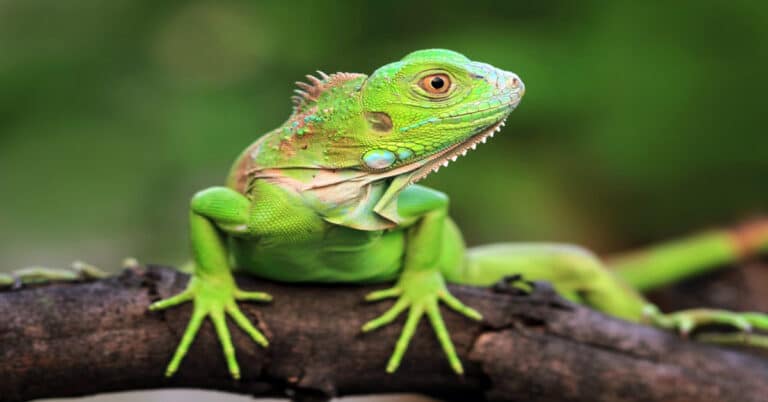
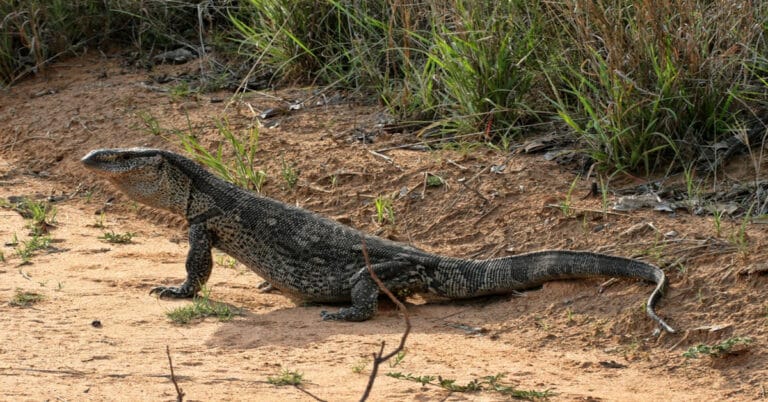
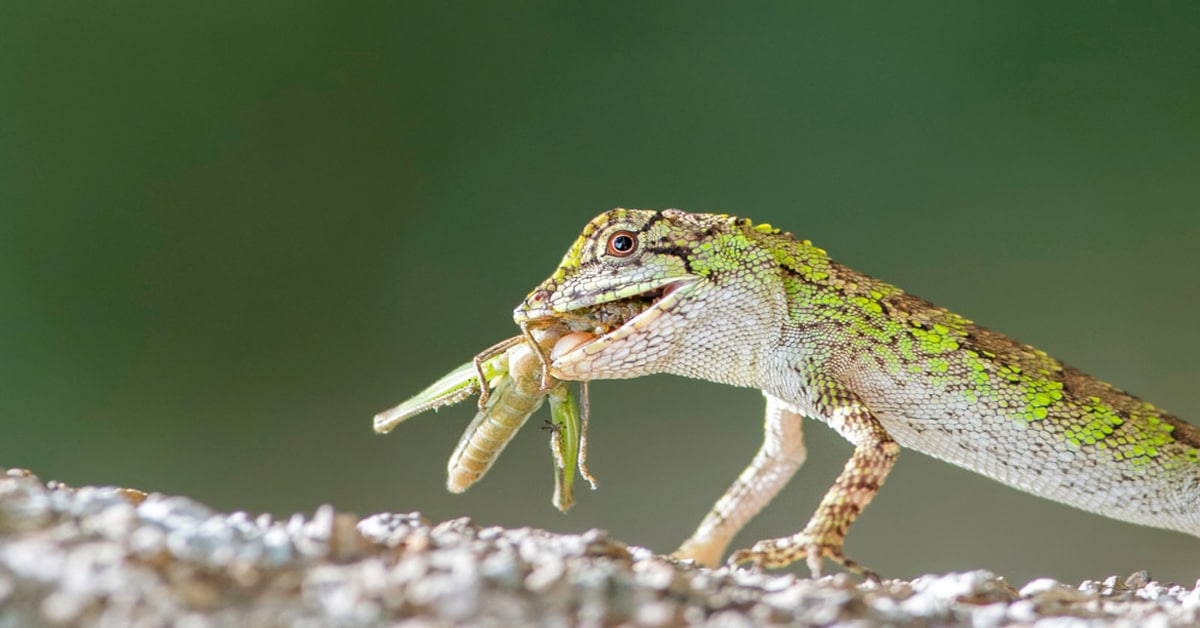
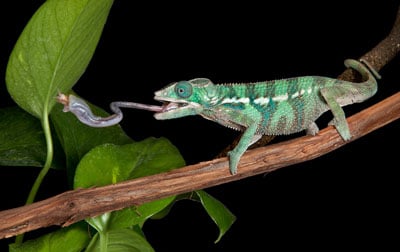
There isn’t a particular lizard diet, because there are several varieties of lizards. The little lizards such as the geckos, Anole and chameleons generally consume insects such as crickets and flies. In addition, they eat caterpillars, snails and spiders. The size of the prey is in direct proportion to the lizard’s size. The biggest among the lizards is the Komodo dragon, it possesses a unique type of saliva with bacteria that ultimately paralyses and kills the victim. The Komodo dragon is a violent predator and, if we are to believe reports, it even preys on unfortunate human beings, pigs and deer. All lizards are not carnivorous, Iguana is purely an herbivore. These lizards climb up trees and consume fruits, berries, and leaves which they get there. As all lizards are found in every continent except for the continent of Antarctica, each variety of lizards have a very peculiar diet. This is the reason why you need to get specific knowledge of the origin of your pet lizard and what its special diet in nature is.
Insects
In the wild, numerous different species live on insects. The place determines the type of insects. We find plenty of insects in the wild, so the lizards generally eat insects such as worms, grasshoppers, spiders, cockroaches, flies and the like. Certain insects such as lightning-bugs are venomous to certain lizards. Small lizards like Skinks and fence lizards are useful to humans since they consume the insects and termites that are harmful to us.
Eggs

It is but natural for the lizards to steal the eggs from the nest of other animals since eggs are an easy and effortless means of acquiring food. The kind of eggs they eat determines the type of animals that dwell in the vicinity of the lizard’s habitation. For instance the species of lizard that live on stolen eggs are Gila monsters.
What do Pet Lizards eat and drink?
To feed your pet lizard is not a general task. It is different for every lizard. Certain species are very notorious and complicated to nurture whereas some of the others are adaptable and strong. Most of the lizards in captivity are insectivores; they live on a simple diet of crickets along with some supplements. To decide the right nutrient for your lizard it is very important that you define its species. For instance, a type of omnivorous lizard is the bearded dragon. A balanced diet for a bearded dragon consists of leafy greens in abundance and also mice and crickets. Geckos are fond of sweet tasting fruits and also love to prey on insects. A special treat the gecko owners have identified for their pets is a baby food made from fruits. Iguanas eat extensive varieties of fruits, vegetables and grains to fulfill all the nutritional needs. Therefore, it is very difficult to maintain this species of lizard. Bear in mind that lizards are fond of chasing their prey; they refuse to eat dead food. Due to this reason, live insects like crickets and worms are available from the pet stores.
Cannibalism in lizards
Certain types of lizard diet consist of their own species or on other lizards. In the wild the collared lizards eat other lizards as the main part of their diet.. Lizards that prey on other lizards frequently eat insects and other types of flesh. Lizards prey on small snakes, mice, little birds and rodents that they catch easily.
Fruits and Plants
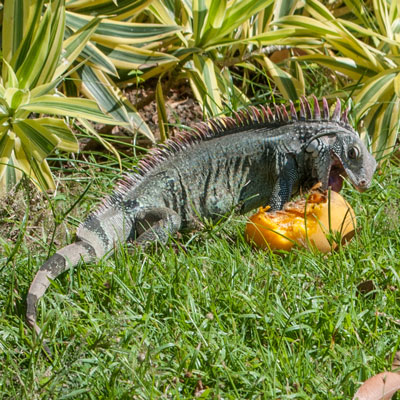
Certain lizards such as green iguanas are exclusively herbivorous; they do not eat flesh at all. Certain other lizards supplement their diet with vegetation, as they consume various forms of flesh and insects. For instance, in nature, green iguanas consume shoots of young plants, flowers, soft fruits as well as leaves.
What do baby Lizards Eat
In case you have found a baby lizard, and you desire to keep it as a pet, and if the temperature is below freezing, then the lizard needs special care in order to live. Let the lizard get warmth through UV lighting. UV lamps. You can buy small enclosures at pet stores and it is better for you to go for a cheaper set than having none. Buy some substrate, a water bowl and live crickets too. At birth itself, baby lizards have the capacity of an adult diet; therefore there is no need to worry about feeding them. Set the enclosure with a provision of light at one end. This enables the lizard to get warmth at its preferred temperature, without getting overheated. Feed it with a few crickets, but the lizard is in a new environment, therefore at first it will prefer to get warmth. Utilize this period in making a study of its requirements and also to which species it belongs.. In due course, take it to a vet to check for possibility of deadly parasites. By chance, your new pet will make a good transition to its life of captivity..
Having discovered a fondness for insects while pursuing her degree in Biology, Randi Jones was quite bugged to know that people usually dismissed these little creatures as “creepy-crawlies”.