Upside Down Catfish
Scientific classification
| Kingdom: | Animalia |
| Phylum: | Chordata |
| Class: | Actinopterygii |
| Order: | Siluriformes |
| Family: | Mochokidae |
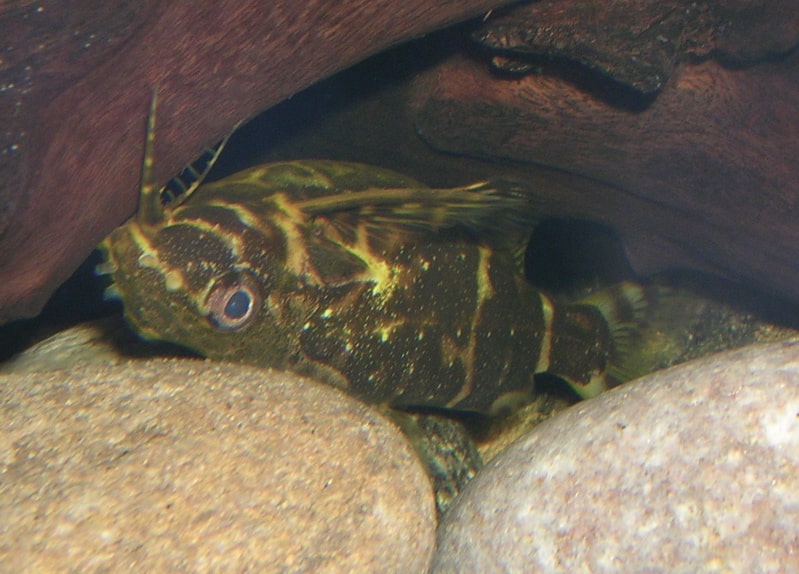
The Upside Down Catfish is a member of the Mochokidae family. The other synonym for this fish is ‘dwarf Upside Down Catfish’, and it is biologically termed Synodontis Nigriventris. The other species of the same genus are also termed Upside Down Catfish, namely S, Contracta, S. Aterrima, S. Nigrita, and many more. As the name indicates, this fish swims in an upside-down posture. Researchers describe this behavior as a strategy for feeding. In their natural habitat, this Catfish grazes for food particles under submerged branches, logs, or other substrates. So it is believed that swimming in an upside-down position will give more access to these places. Another theory that supports this position uses the logic that swimming in an upside-down posture helps this fish to respire more efficiently.
Description
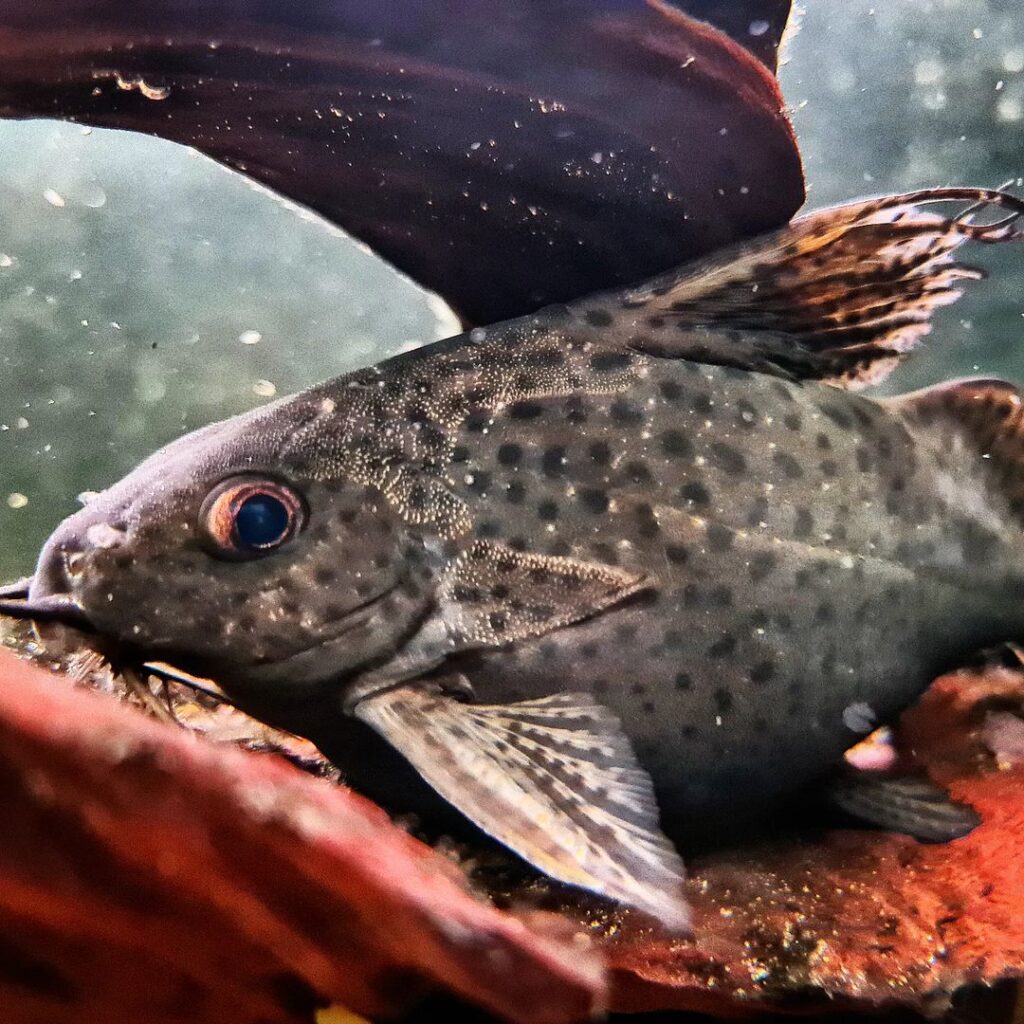
The Upside Down Catfish is basically small, structured, and attains a body length of maximum 9.6cm. Similar to the other members of the Mochikidae family, this Catfish also possesses big eyes, 6 barbels and a big dorsal fin. They prefer to spend most of their time in the upside down position. The belly is darker in shade than the back side of these fish, and the upper body parts are comparatively lighter. This helps the fish to escape from the predators, as the light body color is not visible when the Catfish swims upside down and the predator looks upwards.
Reproduction
The Female Catfish is bigger, and has a round body compared to the male counterpart. The coloration of the female fish is lighter, and they look larger than the male. These species carry out the spawning process in the caves or other such hidden areas. While breeding at home, you can provide overturned flowerpots made of clay or a PVC pipe to help carry out the spawning process. To induce spawning you can soften the tank water to imitate the spring rains acquired in the river and providing live foods. The female lays eggs and scatter it on the cave roof. The hatching of the eggs takes place in two to three days. After that, the fry is fed with the yolk sac that the parents bear for three to four days. After consuming the yolk sac, the fry can be fed with brine shrimp hatched freshly. The fry will take two months to start swimming, similar to their parent’s style of upside down posture.
Growing Upside down Catfish at Home
Food
The Upside Down Catfish is omnivorous. You can provide varieties of food to these creatures, but it should be nutritious and healthy. In the wild, they prefer eating filamentous algae and debris of vegetables. So you should include vegetable based food in their diet. They also love to eat many live foods like brine shrimp, tubifex worms, blood worms, earth worms, terrestrial insects and insect larvae. Feed them several times in small quantities to avoid food wastage.
Water
The Upside Down Catfish is a freshwater species, largely seen in the river basins. At home, try to provide an environment similar to their habitat. The water conditions should be regularly checked. The pH level should be between 6.0 and 7.5, and the temperature should be at least 22 to 26 degree C. This Catfish prefers water hardness between 4 and 15 dGH.
Tank
The Upside Down Catfish requires a 30 gallon tank with many tank mates. They will appreciate driftwood, rocks, twisted roots for hiding. They prefer to roost under floating and broad leaved vegetations. A dim lit aquarium is suitable for these types of fish. To bring a natural effect, you can add currents in the water. They cannot adjust in the water having high nitrite levels; hence the regular water change is recommended.
Having discovered a fondness for insects while pursuing her degree in Biology, Randi Jones was quite bugged to know that people usually dismissed these little creatures as “creepy-crawlies”.