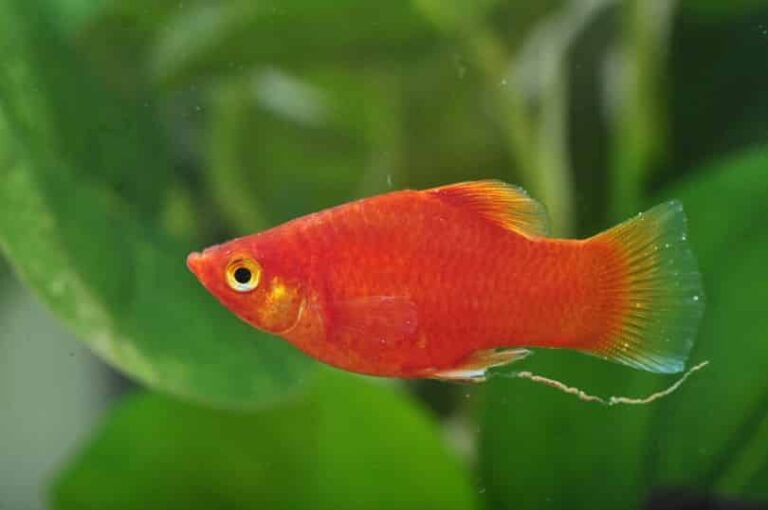
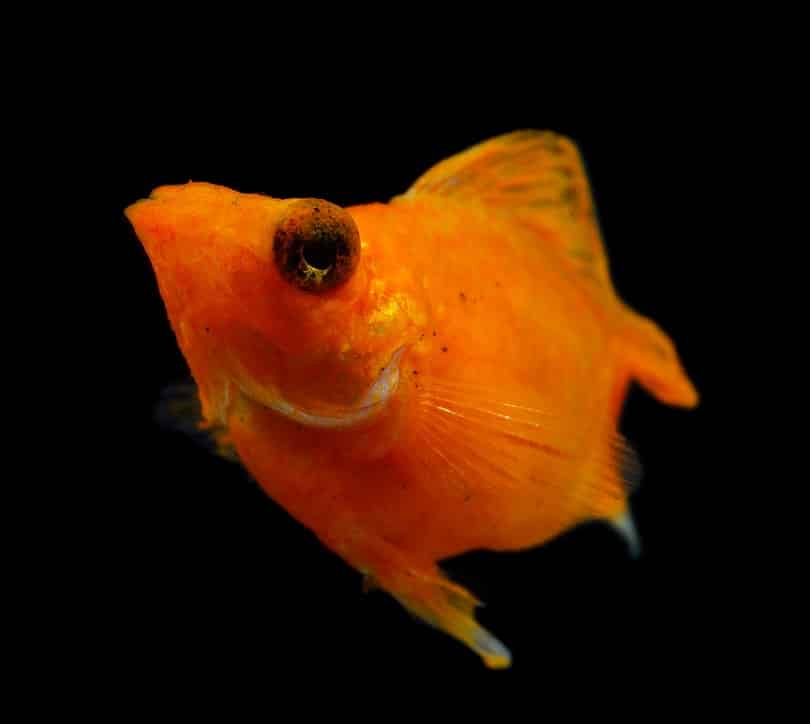
Molly Fish
Scientific Classification
| Kingdom: | Animalia |
| Phylum: | Chordata |
| Class: | Actinopterygii |
| Order: | Cyprinodontiformes |
| Family: | Poeciliidaetropical |
| Genus: | Poecilia |
| Species: | P. Sphenops |
| Binomial name: | Poecilia Sphenops |
There is much in common between the Guppy fish and the Molly fish, They both belong to the Poecilia genus. Earlier, the mollies were placed in a separate genus of their own, known as Mollienesia. The general name Molly was derived from this name. It was in remembrance of Francois Nicolas Mollien that his name was given. He was a French politician, belonging to the late 18th and early 19th centuries.
Habitat and Range
This American fish, hail from the continents of South and North America. But these Molly fish were taken in various countries like Israel, Colombia, Singapore, Japan, Taiwan and regions of East Europe. All of these varieties do hybridize among themselves; they are from the same Poeciliidae group.
Description
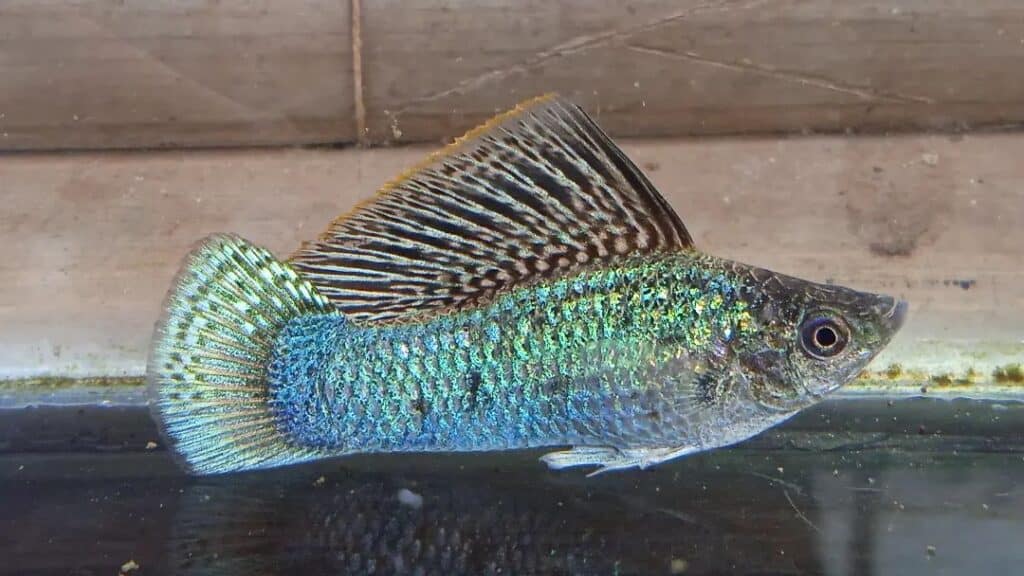
The Molly fish are laterally compressed and elongated. With respect to their dorsal fin, they are categorized into two basic varieties. Some have large fins and others short ones. The guppies, Platies and Swordfish, all are from the Poeciliidae group of Live-Bearing Tooth Carp, You can identify them by their teeth in their lower and upper jaws. At a glance the female is bigger than the male, in all the types. In the course of maturing, the center rays of the male’s anal fin get altered to a narrow copulating organ, having a strong hook named Gonopodium..
Breeding
The Molly fish is a live bearer, meaning, the eggs are fertilized internally, until they deliver well developed little ones. The Molly does not distribute its eggs. The fry lives a very long, if they do not fall prey to predators… Similar to the other live-bearers, breeding these Mollies is very easy. However, similar to the other fish like guppies that are also live-bearers, it is easy. What is important is the ratio of the sex in the aquarium
Tank
The Molly fish enjoys swimming, and by all means, it makes use of the entire space of the aquarium. For these fish, the minimum size of the aquarium should be a 20 gallon one. Even though you may have observed many people having Mollies in a 10 gallon aquarium, you would do well to have an aquarium of at least 20 gallon size for the fish to swim around freely.
Water Condition
There is a close relation between the Mollies and the guppies, and they are maintained in the same manner. In nature, we find each of these species in diverse biotopes in different varieties. However, most of the habitats are streams with slow moving water, that is warm and hard alkaline. The right type of water where all varieties of mollies are kept is one with a pH of almost 7.5 to 8.0, a dH of 15 to 30 and a temperature of 25 to 28C (77 to 82F). This is the ideal environment for the Mollies; however, they are tolerant of other water conditions, even a water temperature that is lower than this.
Nutrition
Bear in mind that in most of the stores you get fish food with lots of fillers, and these are not the right one for your Mollies. You must go in for costlier quality food.
Use the flake food only as a support; supplement this with a meaty meal food. Apart from this, feed your Molly fish with Black Worms, Grindal Worms, Brine Shrimp and Blood Worms. Additionally, supplement their diet with vegetables and algae.
Set Up
It appears that the Molly fish is endemic in all aquariums. Thus, it seems that any type of tank is suitable for it. However, the only part of importance is setting the aquarium with sufficient hiding facilities. These fish are a timid variety, wary of getting bullied.
Having discovered a fondness for insects while pursuing her degree in Biology, Randi Jones was quite bugged to know that people usually dismissed these little creatures as “creepy-crawlies”.