Dojo Loach
Scientific classification
| Kingdom: | Animalia |
| Phylum: | Chordata |
| Class: | Actinopterygii |
| Order: | Cypriniformes |
| Family: | Cobitidae |
| Genus: | Misgurnus |
| Species: | M. Anguillicaudatus |
| Binomial name: | Misgurnus Anguillicaudatus |
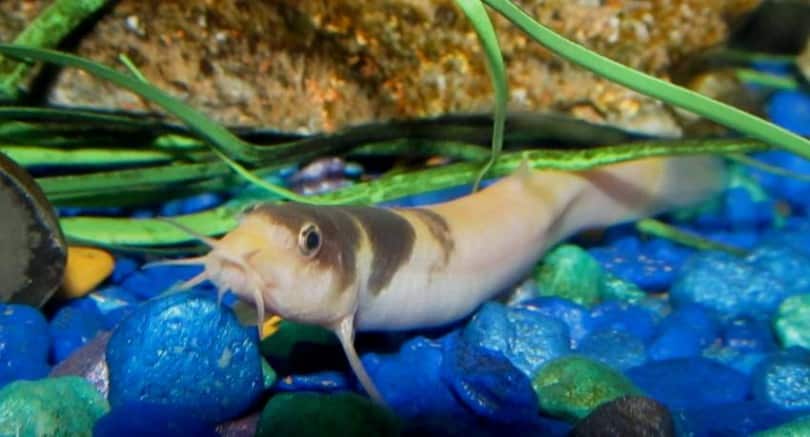
The Dojo Loach fish is also known as pond Loach, weather Loach, and Japanese/oriental weather Loach. In the Loach family Cobitidae, it is a freshwater fish. This fish is Native to East Asia and it is also popular as an aquarium fish. When an adult, it is a big fish and requires enough space to move around. This fish is a common food fish in East Asia and in fish farming, it is raised on a large scale. It has poor eyesight, so it uses its barbels to find food. If the barbells are damaged, then there is a high risk of undernourishment of this fish.
Habitat and range
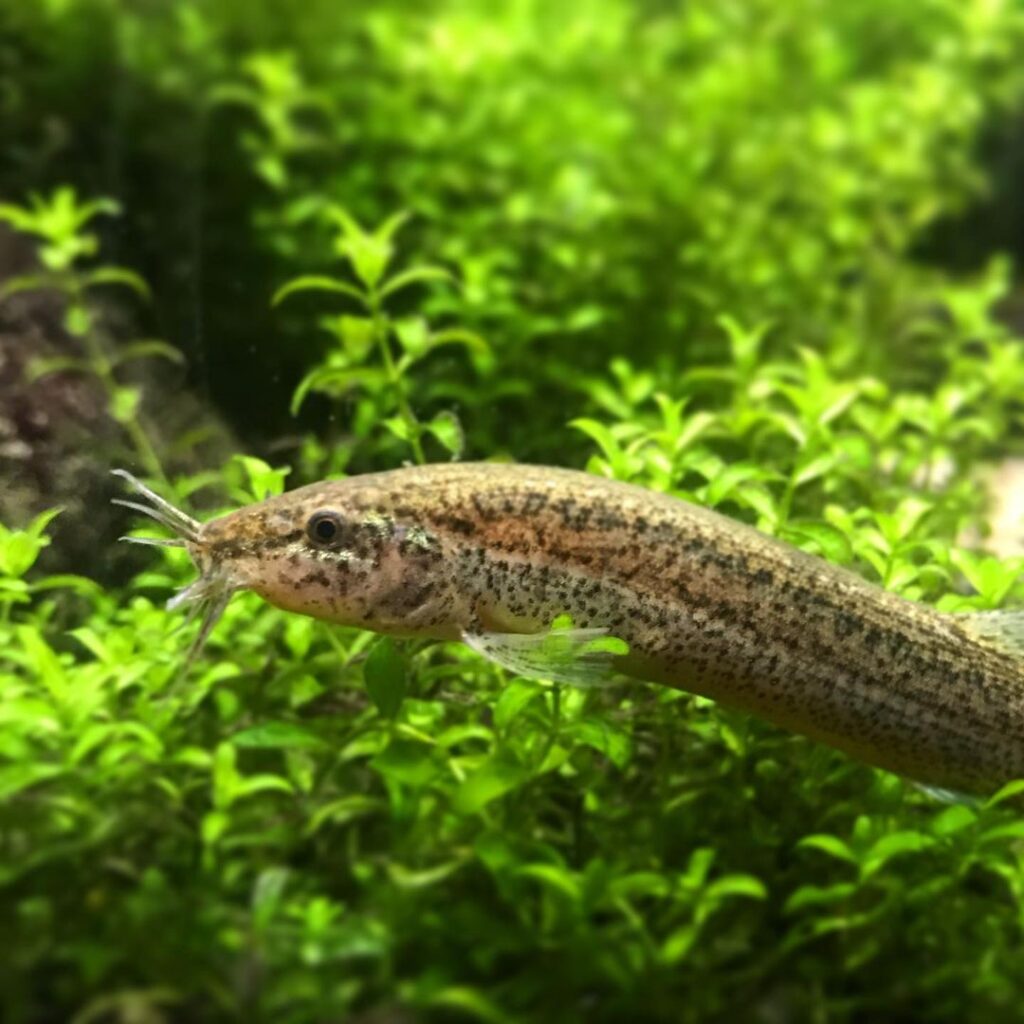
The Dojo Loach was described in 1842 by Cantor. This fish inhabits rivers as well as slowly or still moving waters as well as swamps, rice fields, ponds and lakes. It prefers muddy bottoms. This fish is found across a wide range of eastern Asia in Sakhalin and Siberia from eastern Russia.
The Dojo Loach fish appears in a variety of colors like orange, gray and pink. The mouth of this fish is surrounded by three sets of barbels. It can reach up to a length of 12 inches. T, e Dojo Loach is a peaceful, active and hardy fish, and its body cylindrical, long and almost eel like. Towards the front it is circular, but towards the rear it is flattened. This fish can be thin or heavy. This fish uses its posterior portion of the skin and intestine as a supplementary breathing organ, so during the dry season it can tolerate oxygen depleted water. The average lifespan of this fish is between 7 to 10 years.
Growing at Home
Breeding
The Dojo Loach fish spawn during the monsoon season during flooding. They scatter ting red adhesive eggs. For spawning, it requires a cooler water temperature. Breeding of this fish is rarely completed in the aquarium.
Tank size
To house the Dojo Loach fish, a 55 gallon tank is the minimum requirement, but longer the tank is better. The maximum amount of surface area is good for them because a large surface area of water helps the fish in taking oxygen easily.
Water condition
The Dojo Loach fish require a water temperature, which ranges between 68 and 76 degrees F. This fish does best in soft to medium water with subdued lighting. It requires good water movements, so plenty of oxygenation is essential for them. An Under gravel filter is ideal for this fish and it also helps to reduce waste. To keep the fish healthy, regular weekly water changes is a must.
Nutrition
The Dojo Loach is an omnivore and it is not a picky eater. Generally, it will eat all kinds of sinking pellets, table food, flakes, algae and live foods. They also like frozen food. To keep a good balance of diet, feed them with high quality flake food or tablet food that works out ideal for them. This fish like brine shrimp, Tubifex, Daphnia, mosquito larvae and some vegetable foods like algae wafers. It also likes to eat snails.
Setup
The Dojo Loach fish requires a larger aquarium with plenty of hiding places. This fish does well in planted aquariums. It is a social fish, so it likes to live in groups. In the aquarium soft substrate like a soft edged rounded pebbles and fine sand are essential because this fish dig in the substrate in the tank. Mostly, it is a bottom dweller, but also spend some time at the top and middle of the aquarium.
Having discovered a fondness for insects while pursuing her degree in Biology, Randi Jones was quite bugged to know that people usually dismissed these little creatures as “creepy-crawlies”.