Mourning Gecko
One of the most Fascinating Lizards in the Pet Trade Today
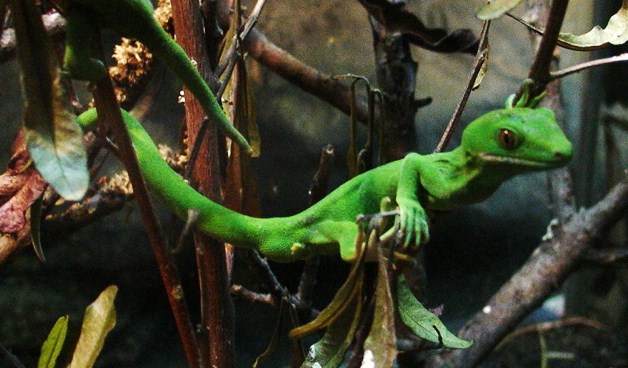
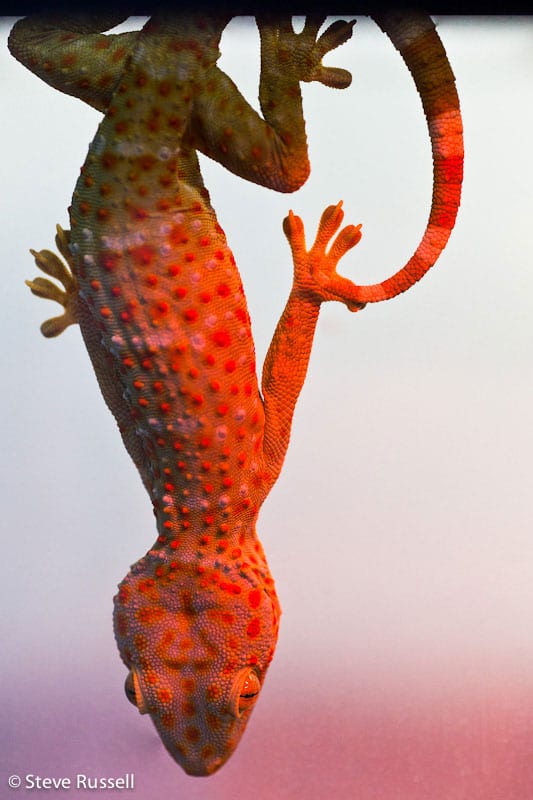
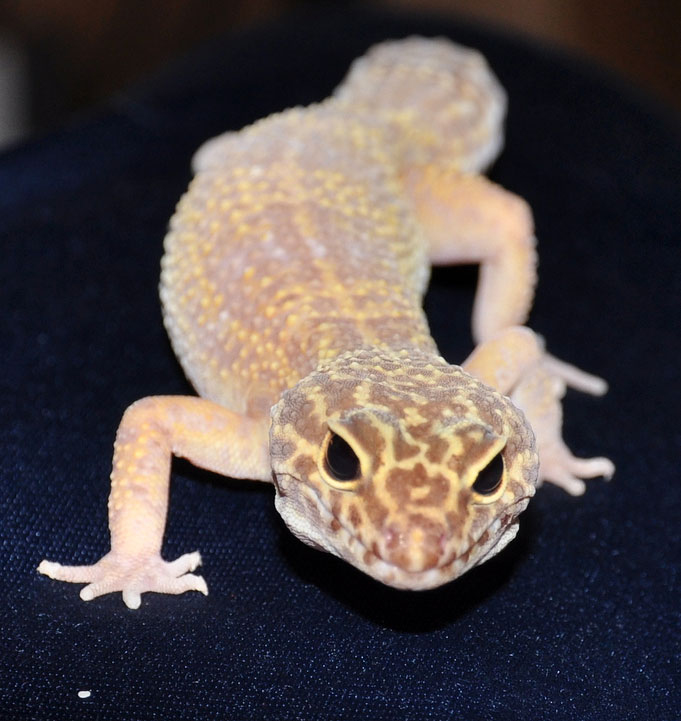
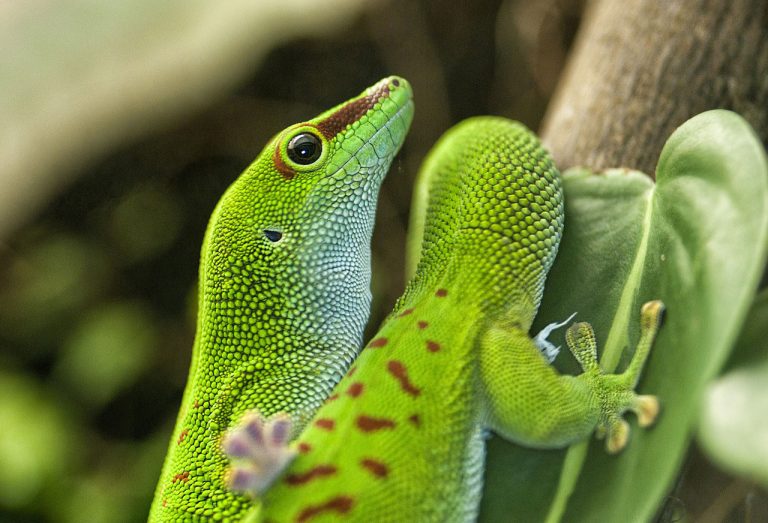
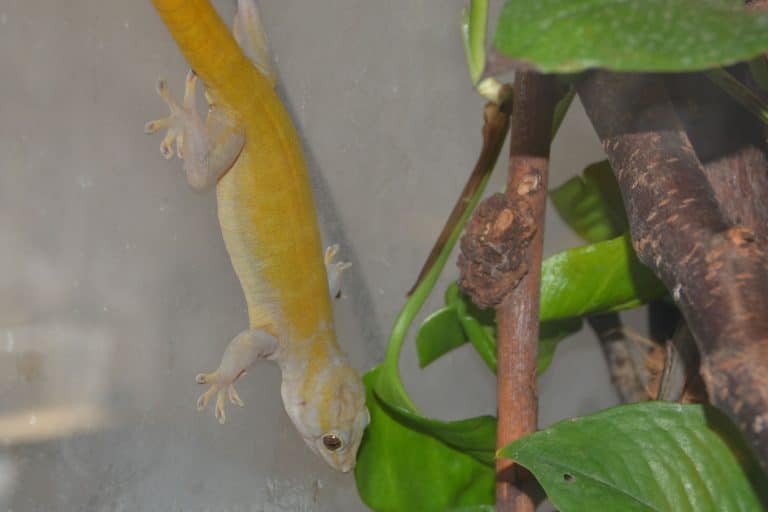
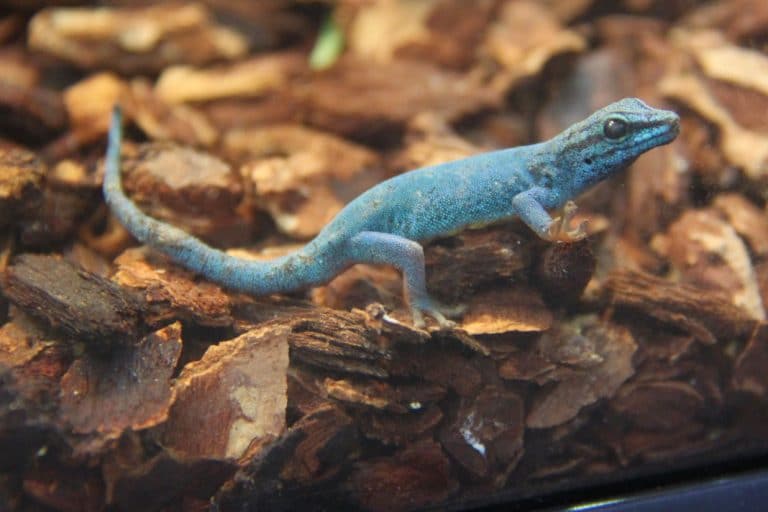
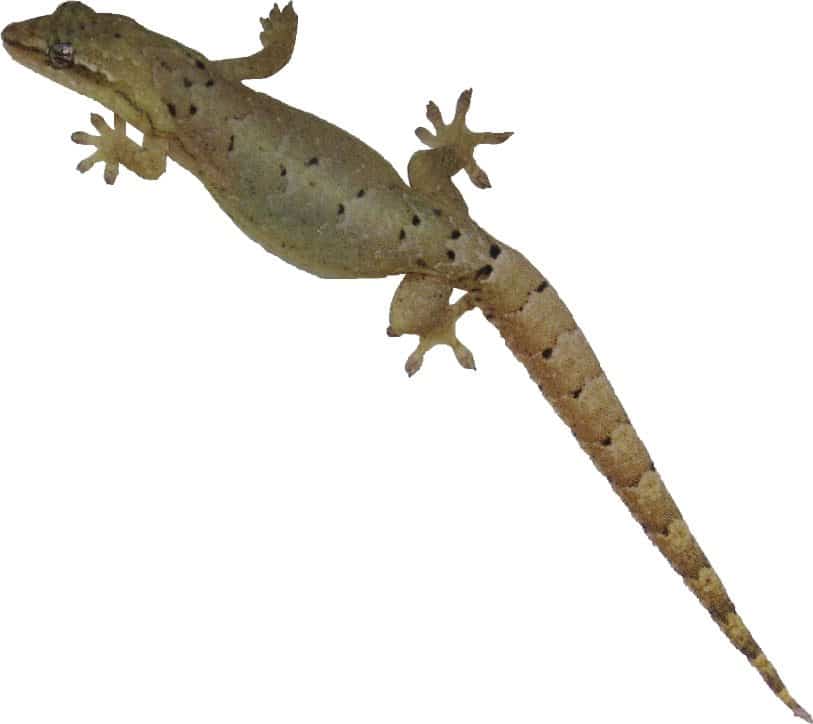
Mourning Gecko (Lepidodactylus lugubris) is one of the most fascinating species of geckos in the world. The Mourning gecko, as they call it, is a parthenogenetic reptile, meaning that its embryo grows and develops without fertilization. This nocturnal organism has a very communal orientation and adapts to varying environments. They inhabit the pacific region, Queensland in Australia, the Hawaiian Islands, the Cocos Islands, and parts of South and Central America.
As a Pet
Housing
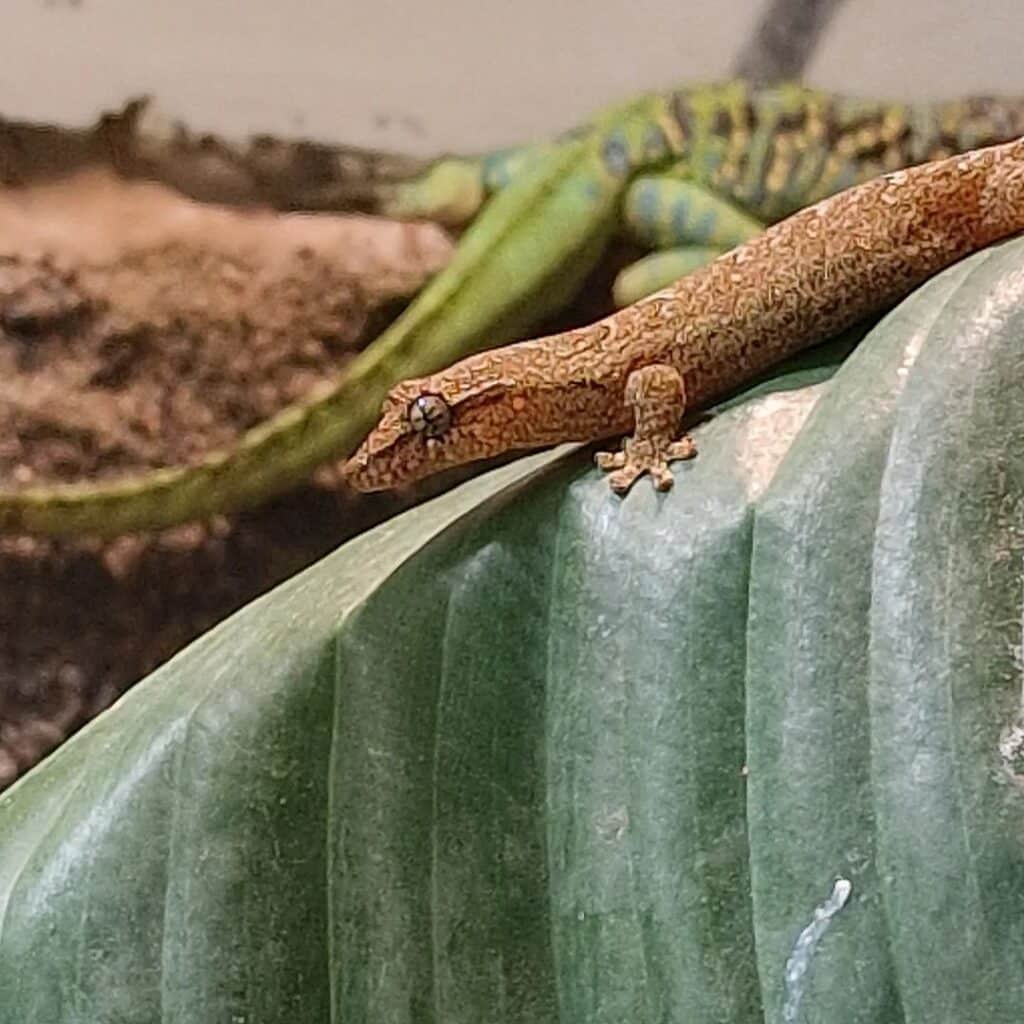
Because they are a communal species, you can keep around six geckos together. Mourning gecko care suggests that, since these reptiles are arboreal animals, you would do well to make the cage vertically oriented as opposed to others that are horizontally oriented for the terrestrial varieties. Emphasis on furnishing the cage with removable plants, leaves and branches is important. You can easily trim, use and remove a bamboo, which makes it a highly suitable option.
The arboreal feeding ledges are an ideal accessory to feed the mourning gecko as it makes the routine chores very easy.
The experts recommend using a traditional cage with a sliding screen top, as these slender geckos can easily pass through cord holes. It is also important to make sure that the cage is escape proof, as these geckos are highly mobile.
Temperature, Humidity & Lighting
Being cold-blooded animals, their activity rate will increase with the increase in temperatures. Maintain the cage temperature between 60 to 70 degrees F. The species naturally inhabit the tropical regions; thus, the ideal humidity is around 60 to 80 percent.
Diet & Nutrition
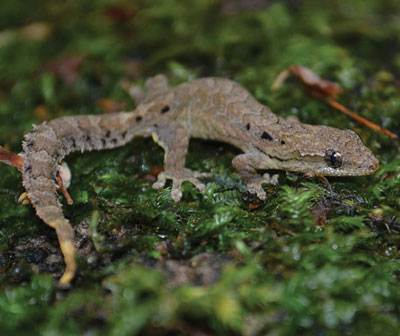
The mourning geckos feed on fruits, nectar and mostly insects. Currently, you can buy a food package with all nutrients necessary for their balanced diet, such as Crested Gecko and Reparshy Super foods. You can choose to offer Crested Gecko diet three times a week, ¼-inch crickets, phoenix worms and roach nymphs. You would do well to dust these foods except for phoenix worms, with calcium powder and vitamin D3.
Handling and Taming
Mourning Gecko is very fast and tends to grip all surfaces they meet. It is better not to handle them as they may go missing and you cannot trace them easily, due to their small size. They have very soft skin that can easily break when handled roughly. These small active reptiles use the tearing of the as a defensive mechanism.
Sexing
Since they are parthenogenetic creatures, their colonies will mostly constitute of females.
Breeding
The Mourning gecko will mature sexually after 8 to 10 months. They will lay two eggs separately in this period. Make sure to provide enough live food in the cages when the hatchlings arrive to ward against the cannibalistic tendencies of the mothers.
Incubation
The total incubation time is around 60 days to hatch. Keep the temperature around 70 °F. The eggs remain glued to the décor so strongly that any attempt to detach them may lead to breaking them.
Juvenile Care
Since the adults are cannibalistic, you should separate the hatchlings immediately they hatch. Keeping them with like sized geckos to make sure that they cannot escape is a good idea, but escape proofing the cage is important. You can raise these mourning geckos easily.
Having discovered a fondness for insects while pursuing her degree in Biology, Randi Jones was quite bugged to know that people usually dismissed these little creatures as “creepy-crawlies”.