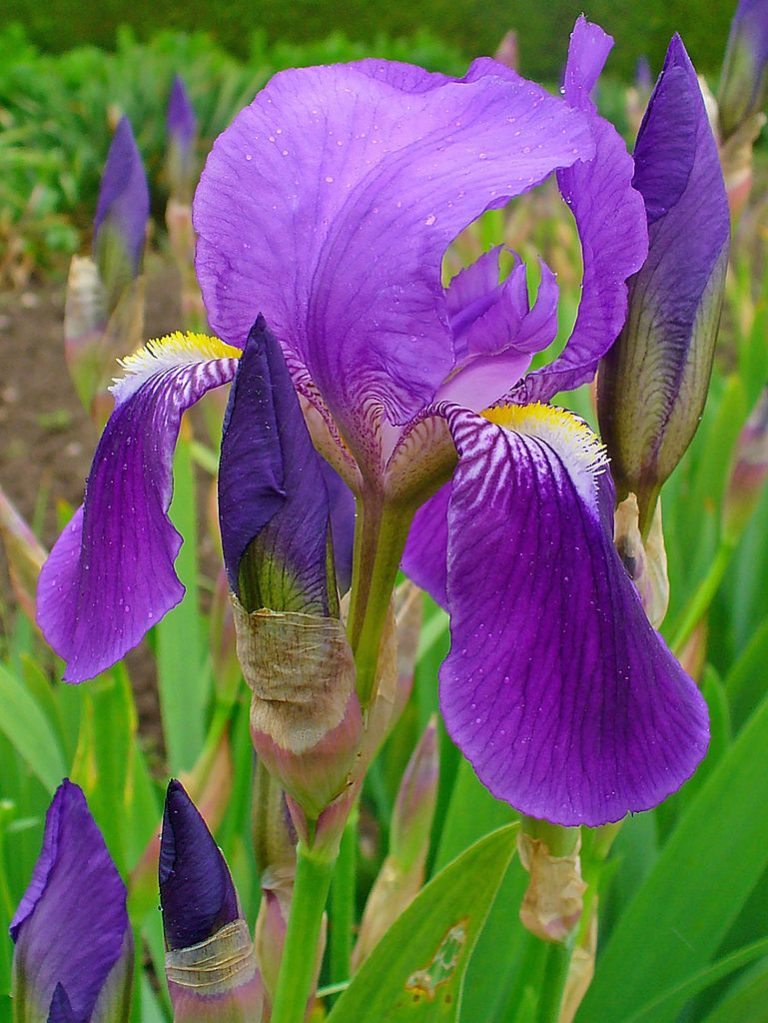
Lilac

Scientific Classification & Quick Facts
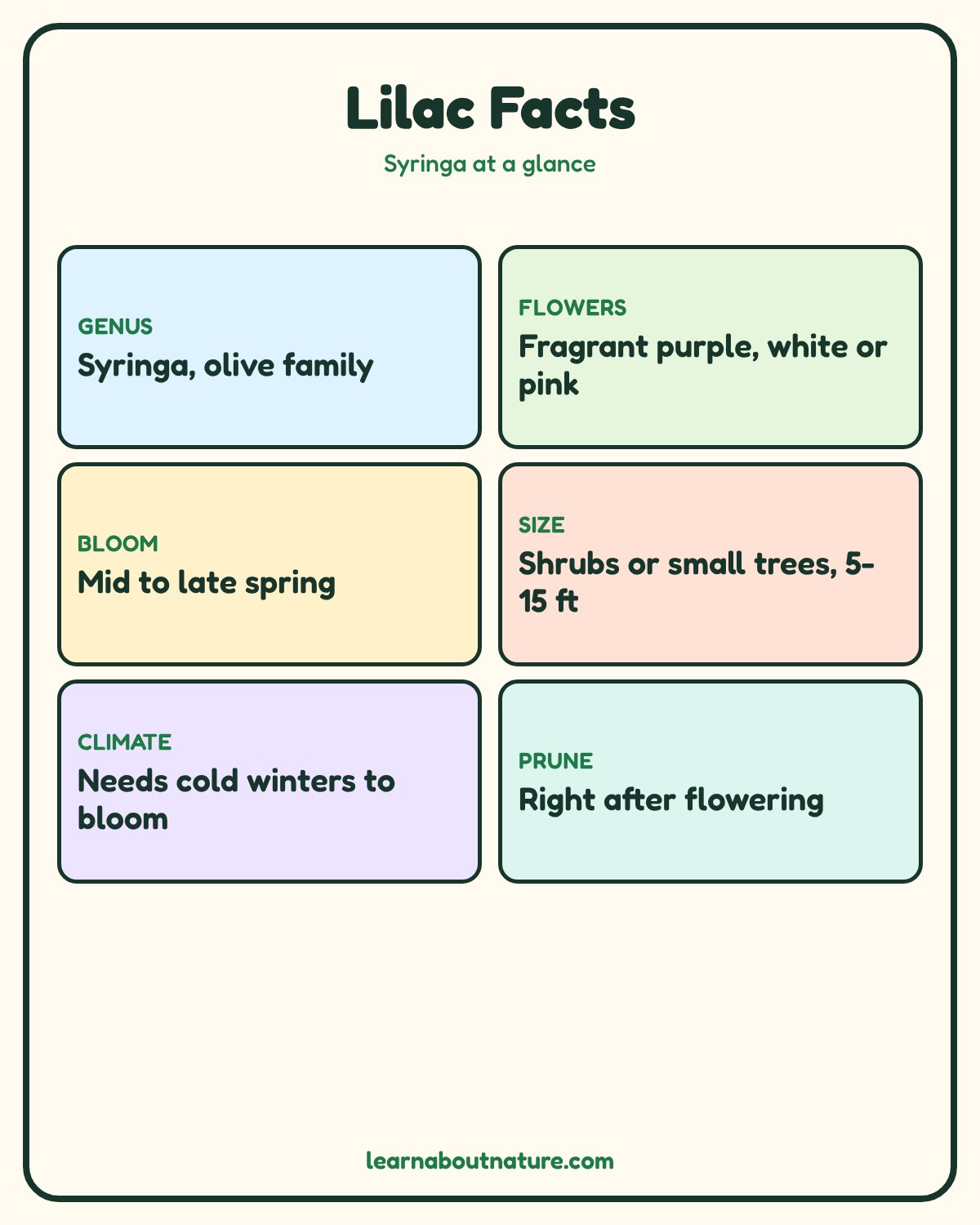
| Common name | Lilac |
| Scientific name | Syringa |
| Kingdom | Plantae |
| Phylum | Tracheophyta |
| Class | Magnoliopsida |
| Order | Lamiales |
| Family | Oleaceae |
| Type | Temperate tree or large shrub |
| Habitat | Rocky, dry slopes; sunny, well-drained soil |
| Lifespan | Up to 100 years |
| Colours | White, yellow, pink, lavender, purple |
| Flowering season | Spring |
| Height | Up to 30 feet |
| Special feature | Fragrant flowers used in soaps and lotions |

Photo by: Georgi Kunev
Lilac is a temperate large shrub or small tree, with a pale purple color, and is a genus belonging to the olive family of plants. It is similar to the lilac bushes. Lilac trees have wide trunks. And can grow to a height of thirty feet. These trees have a rounded and upright shape. The most common Lilac trees are the Japanese variety. The wood of this tree is easily damaged. Normally, it can easily survive for 100 years. The leaves of the lilac tree are heart-shaped and dark green in color. The colors of the flowers are white, yellow, pink, and purple. Their roots spread horizontally from the ground and extend in all directions. The Lilac flowers are divided into seven colors – blue, lavender, violet, white, purple, magenta, and pink, though the purple flower of lilac is the most popular. Flowers can grow to large sizes. Lilac flowers add their fragrance to several personal care products like lotions, soap, and the like.
Anatomy
The leaves of the Lilac trees are heart shaped, hairless and dark green in color. The lilac genus has about a dozen species. The leaves are very simple. Beautiful and elegant flowers of lilac are pleasant and enjoyable flowers. Common lilac is native to southeastern Europe and was brought by early settlers to North America. Their beautiful and attractive flowers are very popular in the world. Lilacs are mainly cultivated for their fragrance and flowers. The flowers of lilac are produced in spring season. And can grow in large panicles.
Habitat
Lilac trees are found in scattered places like Illinois. In a colder climate, the more common purple lilac tree grows on rocky, dry slopes. It is a very hardy shrub in the gardens of North America. Poor, wet soil is not ideal for lilac and if other trees and shrubs are crowded, it does not grow well. Having been introduced to North America earlier, now you can find them in the gardens all around the continents. It is also found in the Europe, Asia and the gardens of Romania.
Planting
Spring is the best season for planting Lilac trees. While planting, the soil has to be well-drained, fertile, with humus rich and alkaline to neutral. If the soil is not in good condition add compost to enrich it. Lilac trees need full sunlight. If it does not get sunlight, it will not bloom well. It will not bloom with too much of water either. It needs a balanced watering and a good air circulation.
Care

Photo by: Magnus Manske
Every spring season, apply a layer of compost under the plant. Mulch is also helpful in controlling weeds and to retain moisture. If lilac trees are over-fertilized, they cannot bloom. Water is necessary during the summer season. Every six months, trim these trees to shape them. Lilac needs regular pruning.
Watering
Lilac trees need water deeply from the base of the plant. It also needs water several times in a week. In the Lilac plants, water is absorbed by the roots, which helps it to circulate it to the whole plant, which keeps it hydrated.
When the color and fragrance of lilac are strong cut them at their peak.
Soil for Planting
Overuse of fertilizers is harmful to the soil as they make it porous. Lilac trees have pyramid cell clusters. Well-drained, neutral to alkaline (PH Between 6.5 to 7.0) is ideal for lilac plants.
Pests and Pesticides
During the summer season, leaf miners can attack lilac trees and borers are its hot weather enemies, which are enough to break them. Frequent watering is helpful in dry weather. Failing this, some of the pests can damage the lilac tree.
Lilac FAQs
When do lilacs bloom?
Lilacs bloom in spring. Their flowers grow in large clusters called panicles.
What colors do lilacs come in?
Lilacs come in white, yellow, pink, lavender, violet, magenta and purple. Purple is the most popular color.
How long do lilac trees live?
A lilac can easily survive for 100 years.
How much sun do lilacs need?
Lilacs need full sun. Without enough sun they will not bloom well, and too much water or fertilizer also stops flowers.
What are lilacs used for?
They are grown mainly for their pretty flowers and sweet smell. Their fragrance is also added to lotions, soaps and other personal care products.

Randi Jones is the owner and founder of the Nature Gift Store, an online retailer specializing in nature-themed gifts, educational science projects, live animal nature kits and real butterfly artwork. A biology graduate who fell in love with insects, she founded the company in 2001 to make active learning about nature fun, accessible and engaging for children and adults. Her store offers real butterfly frames, home and garden decor and educational live animal kits, including ant farms, worm farms, tadpoles, ladybugs and hermit crabs, and she runs a bug museum in Washington featuring live animals like Eddie the Iguana alongside other reptiles and insects. Randi wrote most of the guides on this site. They first appeared on her long-running nature sites, including Monarch-Butterfly.com, Ladybug-Life-Cycle.com, Frog-Life-Cycle.com, Dragonfly-Site.com and Butterfly Pictures, which have now been brought together here at Learn About Nature.