Hawthorn Berry
Scientific Classification
| Kingdom: | Plantae |
| Order: | Rosales |
| Family: | Rosaceae |
| Genus: | Crataegus |
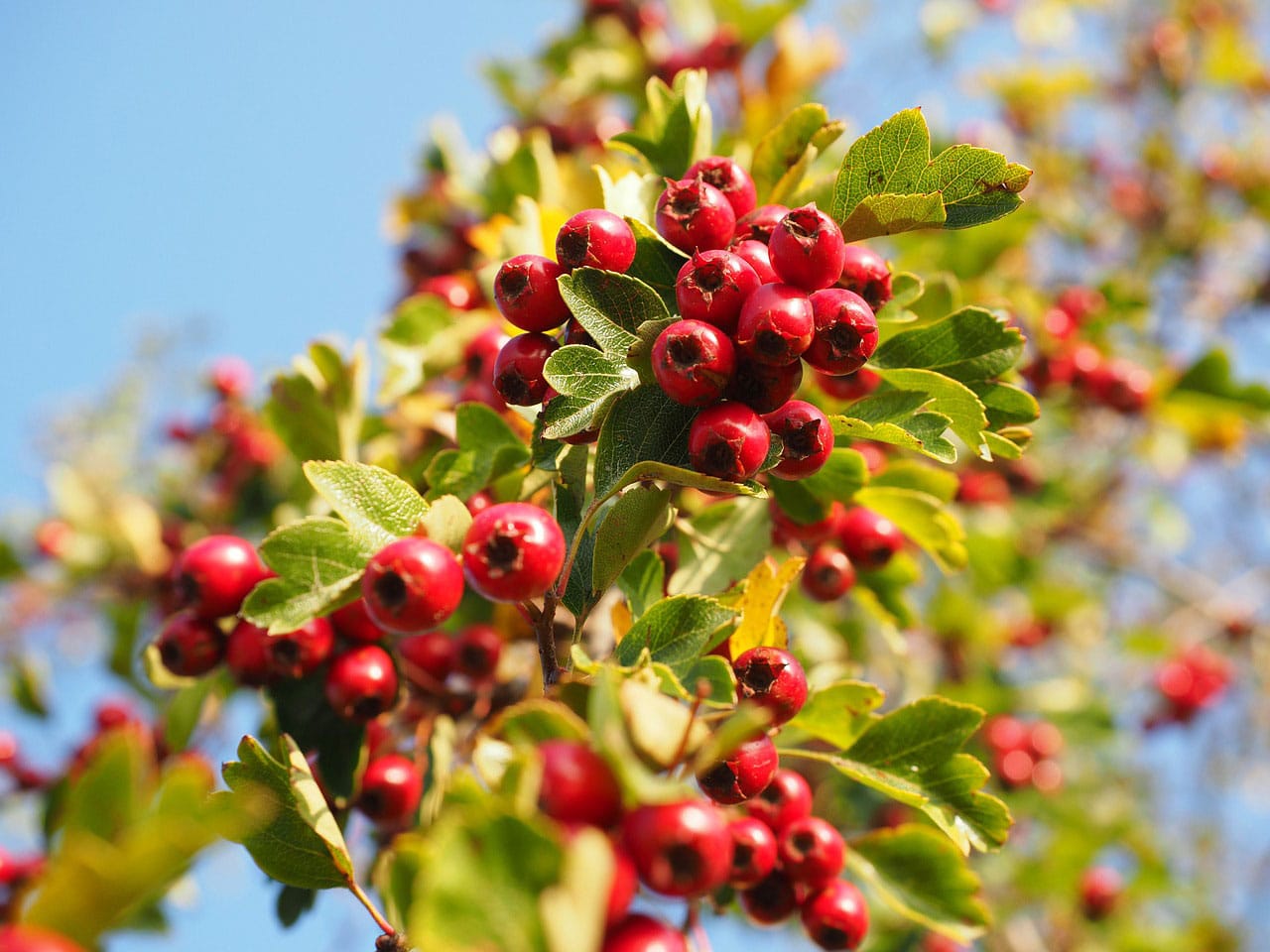
Hawthorn berry herb is also known as May Tree, White Thorn, Thorn Apple, and Hawberry. The Hawthorn berry is a small tree or shrub. Its fruit is used for culinary and medicinal purposes. Its leaves are also edible. Its flowers, berries, and leaves serve in the making of medicines. It is a fast-growing tree. An herbal tea is made from the flowers of hawthorn berry plants.
History
The berries of the hawthorn berry herb are used from the first century in traditional medicines. In ancient time it was used as a medicinal plant in China. In the Middle East, the hawthorn berry is considered a sacred tree. In Europe it was used as a hedge plant. It grows in sunny wooded areas and hillsides all over the world. In the 1800 the doctors of America used it in the treatment of respiratory problem and circulatory disorders.
Anatomy
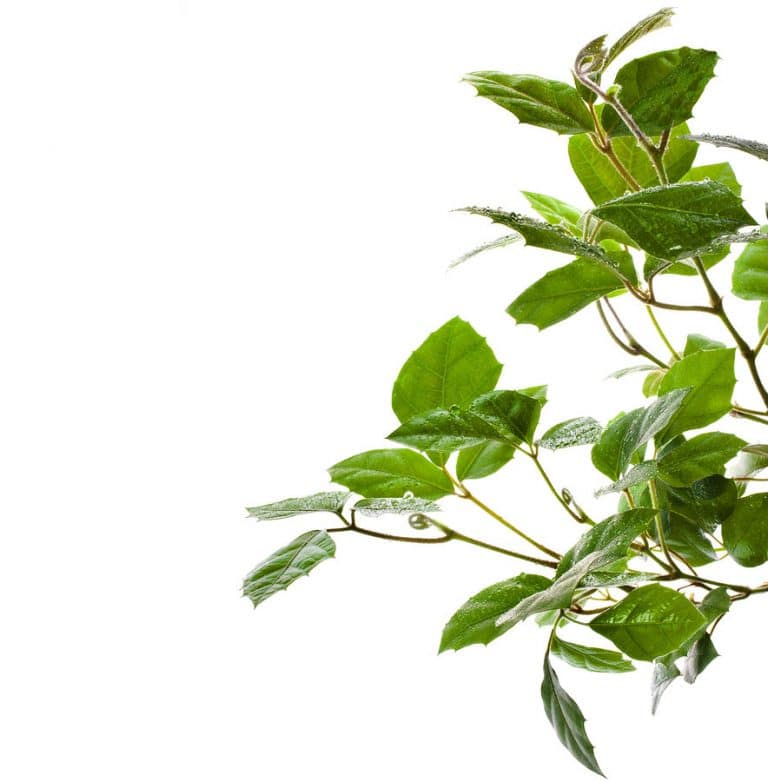
The Hawthorn berry plant grows 5 to 15 meters tall. It has thorny branches and small pome fruits. Its bark is smooth gray color. The horns of the plant are sharp tipped. Small branches arise either from the trunk or from the branches. They are 1-3 cm long. The leaves of hawthorn berry grow in clusters and are arranged on long shoots, they are shiny and grow in many sizes and shapes. Its fruit has a berry like structure and it is known as Haw. Its flowers bloom in the month of May. They grow in pink, white or red clusters. Its berries sprout after the flowers.
Habitat
The Hawthorn berry plant is found in the temperate climates of the North America, Europe and Asia. They are also found in Mexico. The Mexican peoples eat it raw or cooked. They gorge on it while celebrating the Christmas festival. It is native to the Mediterranean region, Central Asia and North Africa.
Soil
The Hawthorn berry plant prefers well drained and slightly acidic soil. It has the ability to tolerate alkaline soil and survives in most soil conditions. Full sunlight is ideal for the growth of the plant.
Planting
The Hawthorn berry plant prefers well drained and slightly acidic soil. It has the ability to tolerate alkaline soil and survives in most soil conditions. Full sunlight is ideal for the growth of the plant.
Water
The Hawthorn berry plant is not demanding. But it requires regular watering to keep moisture. So, water is very necessary for a healthy growth of the plant.Temperature and humidity
This plant is native to temperate regions of the Northern Hemisphere. Hawthorn berries have to avoid high temperature and humidity and direct sunlight.
Care
The plant requires good hygiene when growing. Watering late in a day is not good for them. For best care, the plant should be pruned to remove broken branches and also to shape them.
Harvest
The plant requires good hygiene when growing. Watering late in a day is not good for them. For best care, the plant should be pruned to remove broken branches and also to shape them.
Pests and Disease
Hawthorn berry plant is affected by many diseases and pests. Leaf spot fungus produces small purple dots on the leaves of the plant. It turns leaves yellow and then they fall. Leaf rust also damages the leaves. Stem rust fungus affects the twigs, leaves and fruit of the plant. Aphids, Cankerworms and Gypsy Moth pests feed on the plant.
Uses
Hawthorn berry herb is used in the treatment of high blood pressure, angina and congestive heart failure. It is useful in the digestive and kidney problems. It is also useful in diarrhea and indigestion. It is very effective in the problem of high cholesterol and atherosclerosis. Hawthorn berry contains antioxidants and phytonutrients which have a very positive effect in strengthening the walls of blood vessels. It is applied to alleviate itching, ulcers frostbite and sores. In the early stages of disease of the heart it is a very effective treatment. It is also useful in the treatment of childhood diabetes. Its berries are used in the making of jellies and jams. Its flowers are used in the deserts and salads. Its leaves are also used in cooking.

Having discovered a fondness for insects while pursuing her degree in Biology, Randi Jones was quite bugged to know that people usually dismissed these little creatures as “creepy-crawlies”.