Nile Rat
Scientific Classification
| Kingdom: | Animalia |
| Phylum: | Chordata |
| Class: | Mammalia |
| Order: | Rodentia |
| Family: | Muridae |
| Genus: | Arvicanthis |
| Species: | A. niloticus |
| Binomial name: | Arvicanthis niloticus |
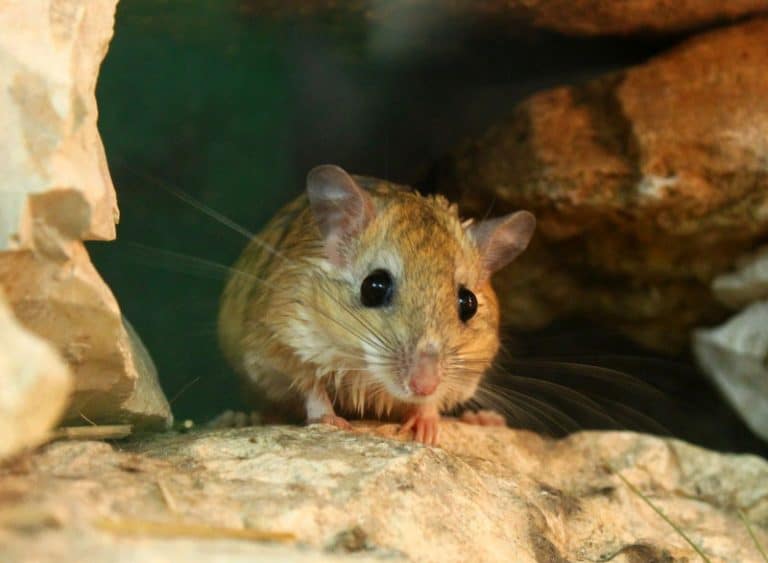
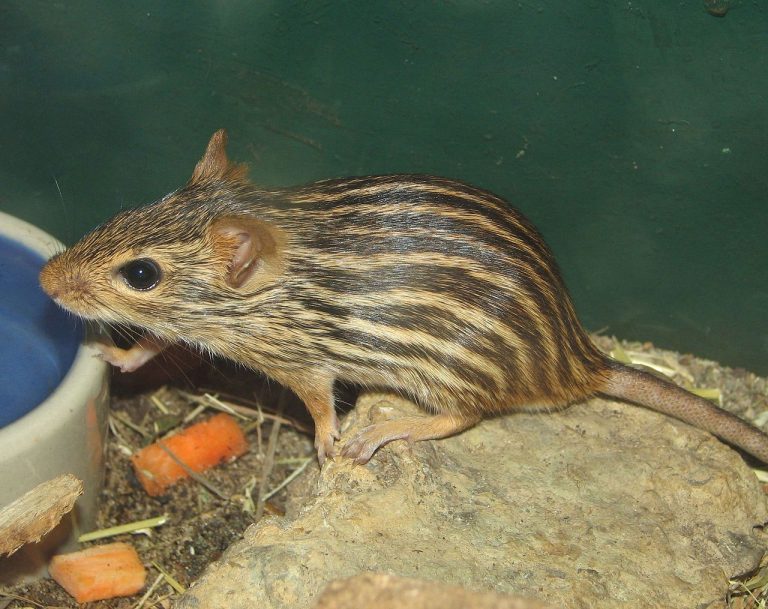
The Nile Rat Arvicanthis niloticus is known by other names such as African Grass Rat or Kusu rat. This rat is a big one, convenient for breeding and keeping in custody. When troubled, they become aggressive as they move quickly. Similar to the ‘African Pygmy Mouse”, it is a ‘do not touch pet’ It is far better for you to observe them playing in groups inside a cage/tank and not handle them them as they get stressed.
Anatomy
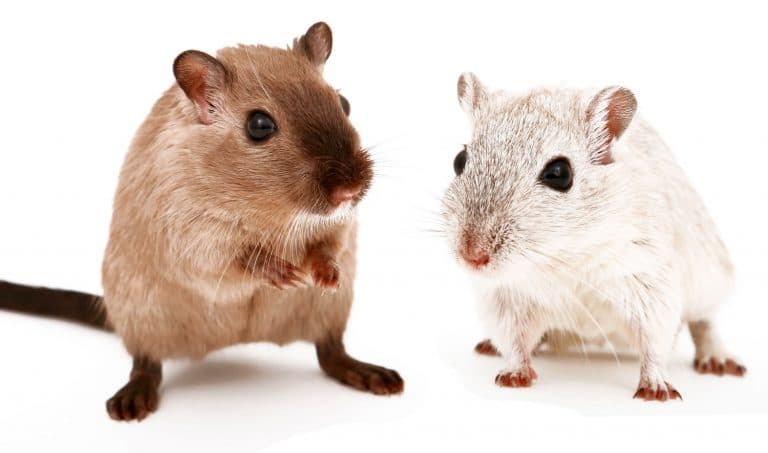
The body of the Nile Rat is fat and short, with a stout configuration, colored tawny to dark gray-brown or brown in color. Black and yellow strongly ticked hairs cover its sides that more or less display straight lines. The fur has dark tips at the terminal of its hairs, which makes the fur look grizzled. The hairs are stiff and rough, making the coat less harsh, giving it a needle like texture. The upper areas are darker than the bottom areas with no clear line of separation, you can see in other varieties of rodents.
Behavior
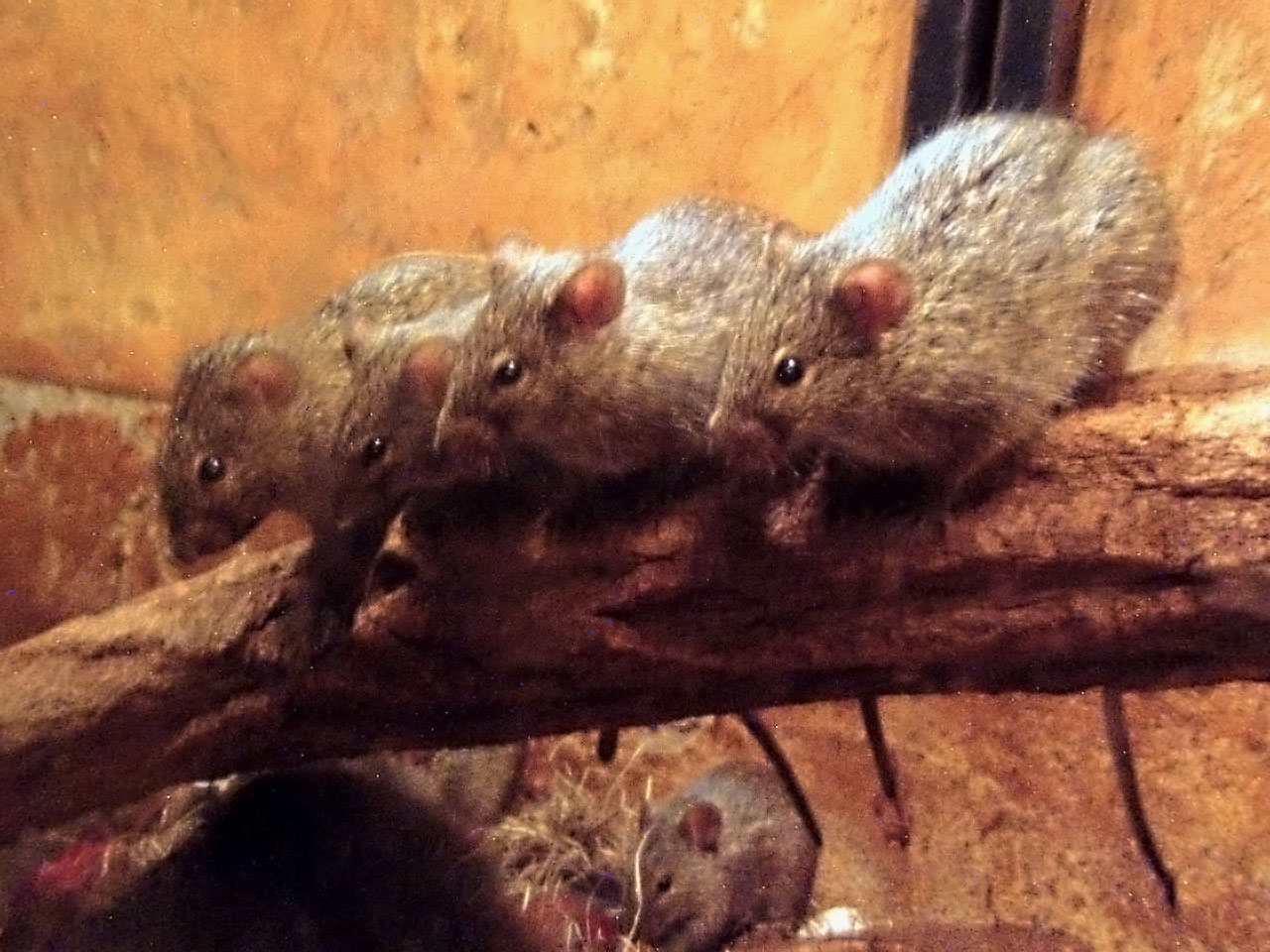
Nile rats are normally diurnal. These rodents are very smart at sunrise and towards the latter part of the noon. At certain times during the evening and at night they are partially active. They are of the sociable type, dwelling in burrows. The animals use tracks to move from one gracing patch to the other and back home.
Habitat
You often see Nile Rats in grasslands of the savannah and in scrubs and forests. They Can continue to exist even in the hottest climates in the northern areas provided that area gets a regular supply of water in some man-made or natural form.
As a Pet
Breeding
Maturity: 12 to 6 weeks
Gestation: almost 19 to 23 days
Litter size: 2 to 8
Young
They grow in a fully furred condition and open their eyes after after 48 to 72 hours
Weaning takes a month
Young Nile rats are amazing, As they become big, their stripes fade and vanish
Housing
For housing, metal or glass cages are ideal. This is because they like chewing anything they see.
If glass is your option, then a lid made of fine mesh is enough to secure your cage.
Housing made of multilayer enriches the rats surroundings.
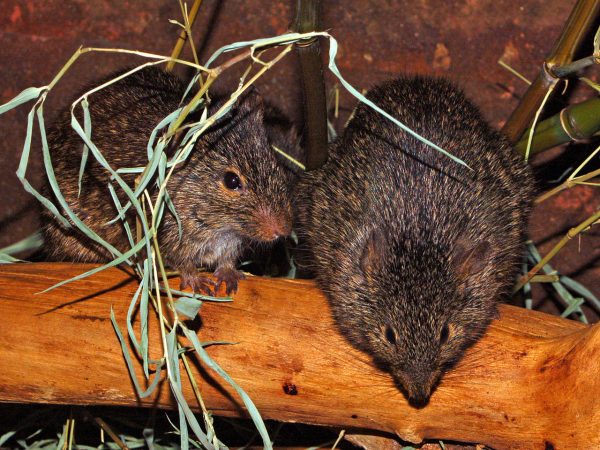
Keep them in groups since they are very gregarious.
Try to house groups of the same-sex or a single male if you try breeding.
Aspen makes for a good substratum, even though you can use other materials also.
Accessories: You can obtain accessories like Tubes, Apple tree branches, hides and other commercial materials online or from pet shops.
Food
Try some of the good rat diets available in pet stores
Fresh vegetables and fruits are a good supplement for rodent diets.
Infrequently, give them dry dog food
See that sugar you do not add sugar to its diet since the Nile Rats disagree with it.
Water and food containers: Water bottles are best as this covers the risk of dampening the substrata/bedding, which results in the animals’ ill health. Give them food in a bowl (They chew anything made of plastic)
Handling
Even though they are not aggressive, they are very easy to handle and may bite only if troubled.
Having discovered a fondness for insects while pursuing her degree in Biology, Randi Jones was quite bugged to know that people usually dismissed these little creatures as “creepy-crawlies”.