Mammals

Every mammal, from a tiny shrew to the enormous blue whale, shares a few defining traits: mothers feed their young on milk, and all mammals have hair or fur at some point in their lives. Mammals are warm-blooded, keeping a steady body temperature whether they live in icy Arctic seas or hot deserts. That flexibility has helped them spread into nearly every habitat, with bats taking to the air, whales and dolphins to the oceans, and moles burrowing underground. Most give birth to live young, though the platypus and echidnas lay eggs.

This section brings together wild and familiar mammals alike. Learn about night flyers in our bats section, follow wild canids from wolves to the clever fox, or explore the lives of big cats like tigers and lions. Pet owners will find guides on cats, dogs, rabbits and rodents, while farm animals, bears, hippos and squirrels round out a collection full of facts on diet, behavior, habitat and family life.

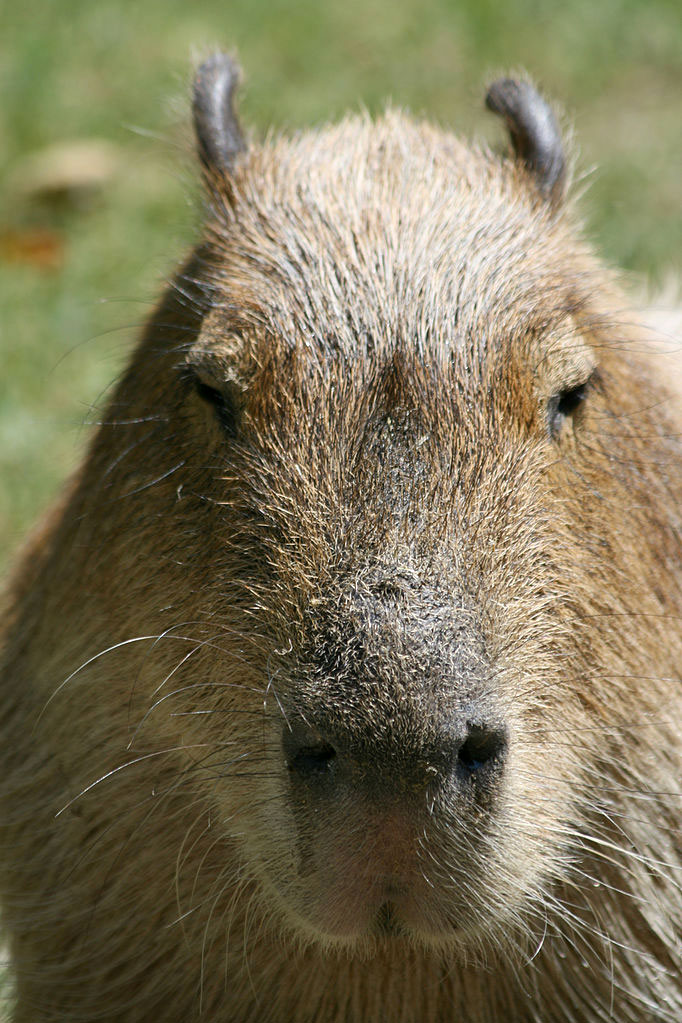
  • Capybara

    Scientific Classification & Quick Facts Common name Capybara Scientific name Hydrochoerus hydrochaeris Kingdom Animalia Phylum Chordata Class Mammalia Order Rodentia Family Caviidae Genus Hydrochoerus Conservation status Least Concern Type World’s largest rodent Diet Grass, water plants, fruit and vegetables Habitat Near water: flooded grasslands and marshes Native range South America Size 107-134 cm long Weight…
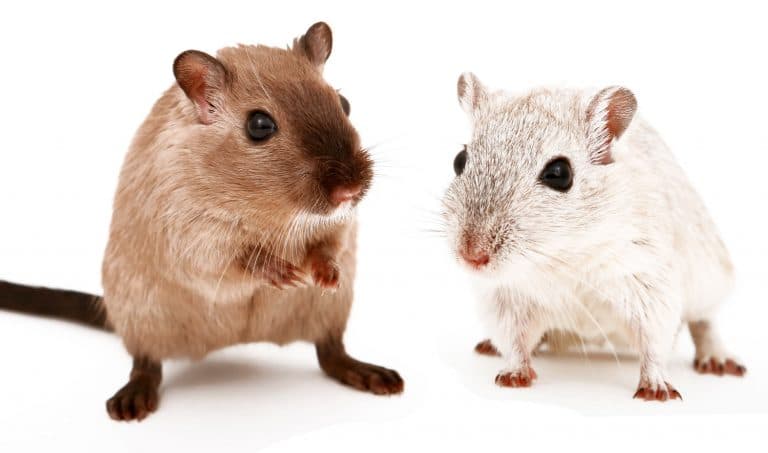
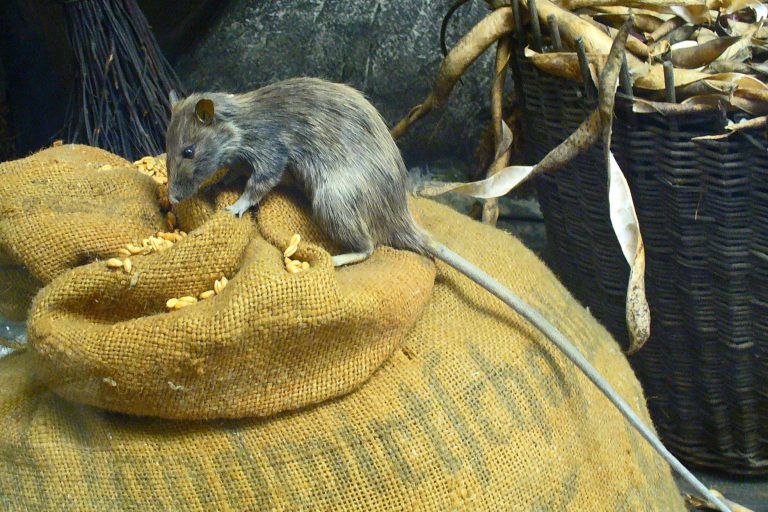
  • Mice

    Scientific Classification & Quick Facts Common name House mouse Scientific name Mus musculus Kingdom Animalia Phylum Chordata Class Mammalia Order Rodentia Family Muridae Genus Mus Conservation status Least Concern Type Tiny rodent with a long bare tail Diet Hamster food or pellets, dog biscuit, carrot and apple Size About 3.5 in (9 cm), excluding tail…

  • Rattus Rattus

    Scientific Classification & Quick Facts Common name Black rat Scientific name Rattus rattus Kingdom Animalia Phylum Chordata Class Mammalia Order Rodentia Family Muridae Genus Rattus Conservation status Least Concern Type Climbing rodent (roof rat, ship rat) Diet Omnivore: cereals, fruit, grain and insects Habitat Coastal areas; high places like roofs and treetops Native range India…

  • Gopher

    Scientific Classification & Quick Facts Common name Gopher Scientific name Geomyidae Kingdom Animalia Phylum Chordata Class Mammalia Order Rodentia Type Small burrowing rodent Diet Omnivore: nuts, seeds, roots, grass, insects Habitat Tunnels in grassland and mountain fields Native range North America Size Up to 15 in (38 cm) long Weight About 230 g (0.5 lb)…

  • Greater Egyptian Jerboa

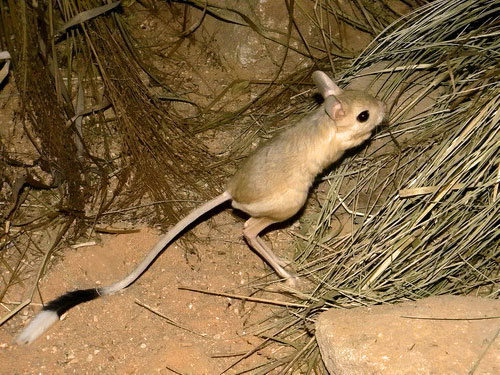
    The Greater Egyptian jerboa (Jaculus orientalis) is a small desert rodent that hops on its long back legs like a tiny kangaroo. It lives in the dry lands of North Africa and the Middle East and is perfectly adapted to life in the hot, sandy desert. Scientific Classification & Quick Facts Common name Greater Egyptian…

  • Zebra Mice

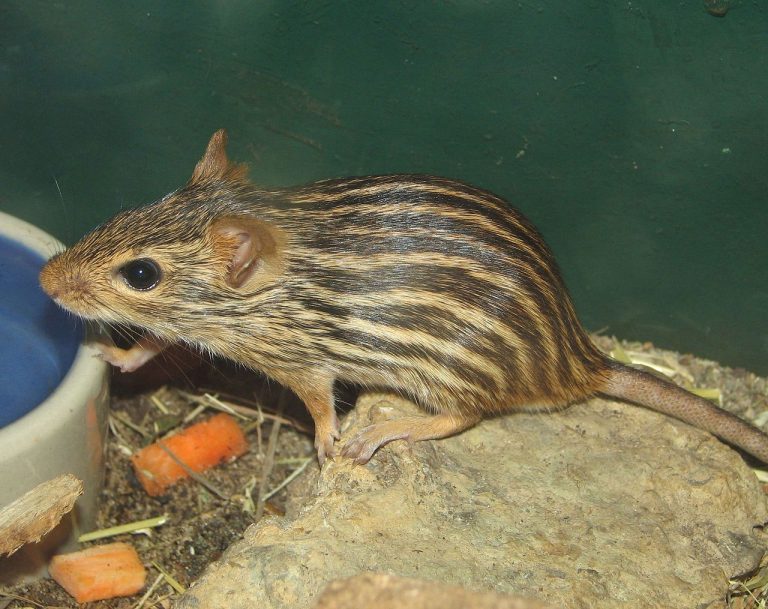
    Scientific Classification & Quick Facts Common name Zebra mouse Scientific name Lemniscomys Kingdom Animalia Phylum Chordata Class Mammalia Order Rodentia Family Muridae Type Striped African grass mouse Diet Omnivore: fruit, vegetables, insects and seeds Habitat Grassy areas Native range Africa Size 18.5-29 cm long; about half is tail Weight 18-70 g Special feature Dark stripes…

  • Siberian Chipmunk

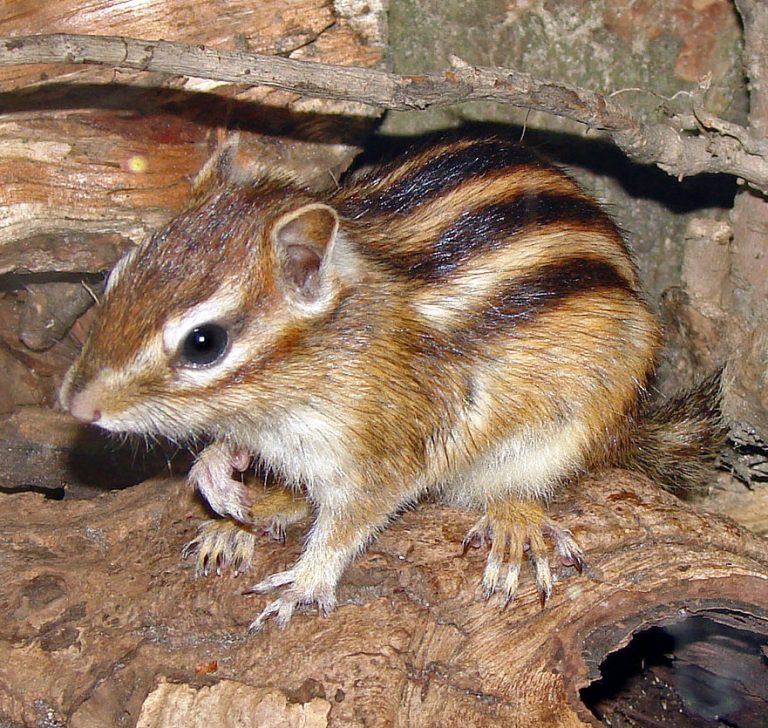
    Scientific Classification & Quick Facts Common name Siberian chipmunk Scientific name Tamias sibiricus Kingdom Animalia Phylum Chordata Class Mammalia Order Rodentia Family Sciuridae Genus Tamias Conservation status Least Concern Type Small striped rodent (squirrel family) Diet Omnivore: nuts, fruit and vegetables Habitat Mixed and coniferous forests with bushy undergrowth Native range Korea, northern Asia from…

  • Deer Mouse

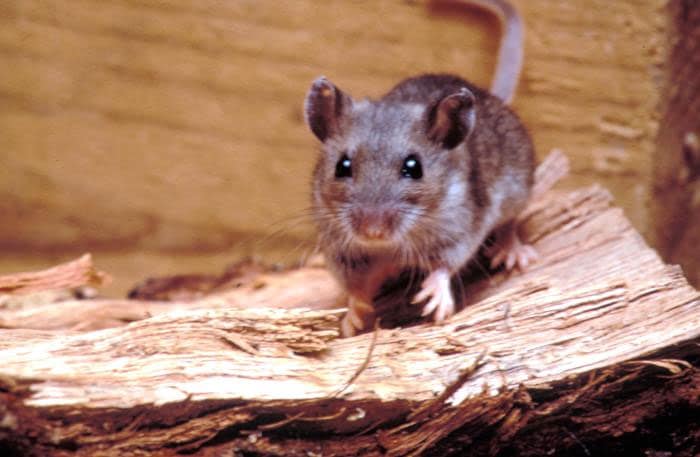
    Scientific Classification & Quick Facts Common name Deer mouse Scientific name Peromyscus maniculatus Kingdom Animalia Phylum Chordata Class Mammalia Order Rodentia Family Cricetidae Genus Peromyscus Conservation status Least Concern Type Small rodent (white-footed mouse relative) Diet Omnivore: fruit, seeds, insects, fungi, leaves Habitat Grasslands, brush, woods and forests Native range North America; not southeast USA…

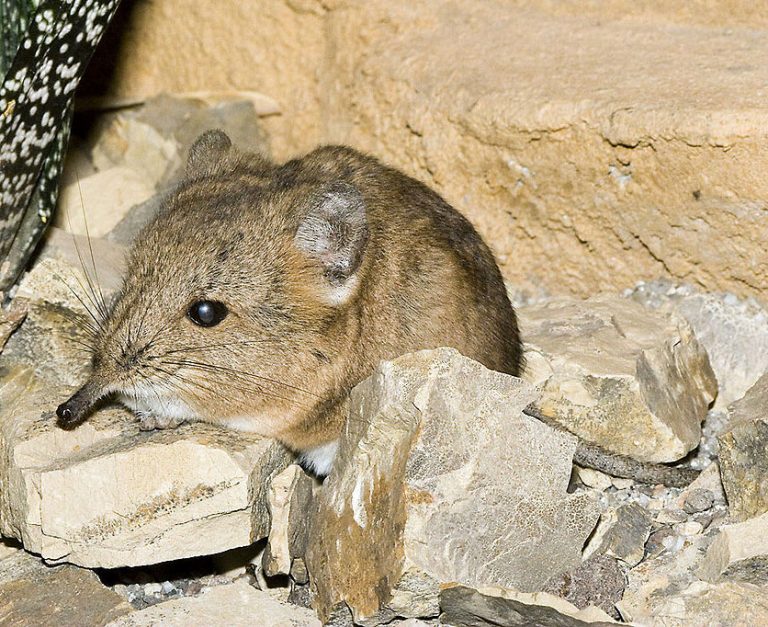
  • Short-eared Elephant Shrew

    Scientific Classification & Quick Facts Common name Short-eared elephant shrew Scientific name Macroscelides proboscideus Kingdom Animalia Phylum Chordata Class Mammalia Order Macroscelidea Family Macroscelididae Genus Macroscelides Conservation status Least Concern Type Small insect-eating mammal (sengi) Diet Termites, ants, small invertebrates, roots and berries Habitat Dry scrubland, grassland and hot deserts Native range South Africa, Botswana…

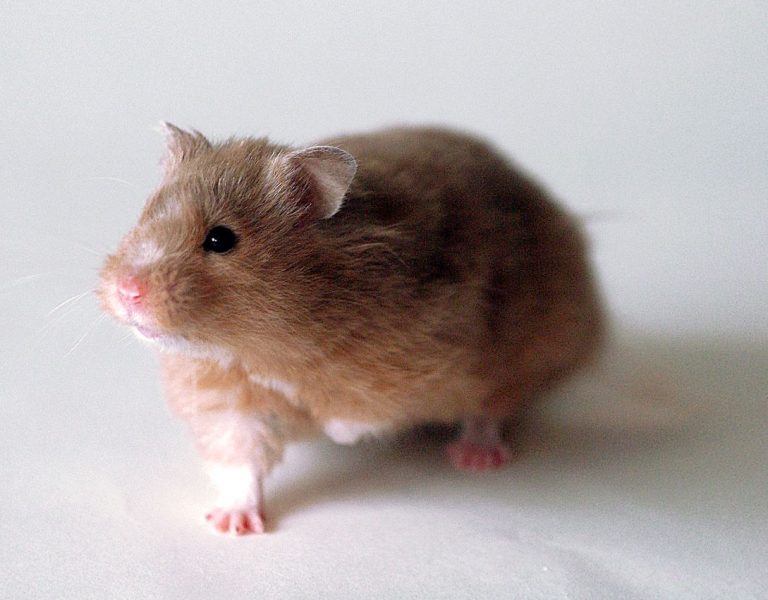
  • Golden Hamster

    Scientific Classification & Quick Facts Common name Golden hamster Scientific name Mesocricetus auratus Kingdom Animalia Phylum Chordata Class Mammalia Order Rodentia Family Cricetidae Genus Mesocricetus Conservation status Endangered Type Hamster (also called Syrian hamster) Diet Grains, seeds, small amounts of vegetables and fruit Habitat Hot, dry desert; lives in burrows Native range Syria Size 5-7…

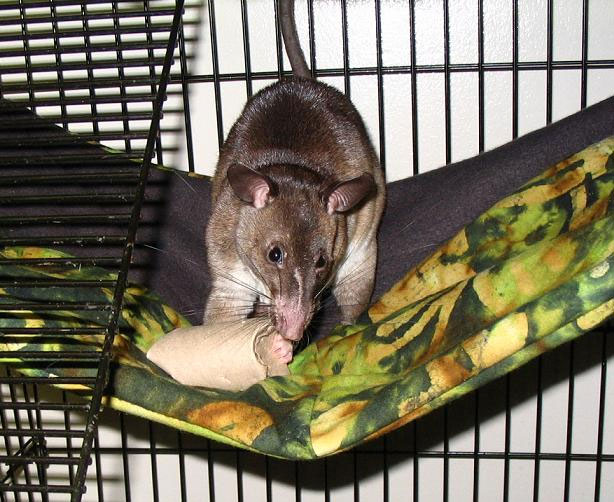
  • Emin’s Pouched Rat

    Scientific Classification & Quick Facts Common name Emin’s pouched rat Scientific name Cricetomys emini Kingdom Animalia Phylum Chordata Class Mammalia Order Rodentia Family Nesomyidae Genus Cricetomys Conservation status Least Concern Type Large African pouched rat Diet Seeds, fruit, palm nuts and insects Habitat Tropical rainforest Native range Africa Size About 2.5 ft (76 cm) including…