Invertebrates

The vast majority of animal species on Earth have no backbone at all. Invertebrates include creatures as different as spiders, snails, crabs, worms and jellyfish, and they solve the problem of support in many ways: some wear a hard exoskeleton, some carry a shell, and others rely on water pressure inside soft bodies. They live almost everywhere, from the deep ocean floor and garden soil to the ponds in your local park, and they play vital roles as recyclers, pollinators and food for larger animals.

Meet eight-legged hunters in our spiders section, discover how crabs molt and grow, and learn about the slow, slimy lives of snails, including how to care for mystery snail eggs. Our pond critters pages introduce the tiny freshwater life you can find with a net and a jar, while sections on centipedes, scorpions, squid, worms and jellyfish complete a fascinating tour of the animal world without backbones.

  • Tarantula Care

    Easy to Maintain, Friendly Character and Available Easily Tarantulas are, without a doubt, the most popular pets of people living in the US. The reasons for their popularity are not difficult to guess. For one, they are easy to maintain, have friendly characters, and are available easily. It is normal for many to have pets…

  • Baboon Tarantula

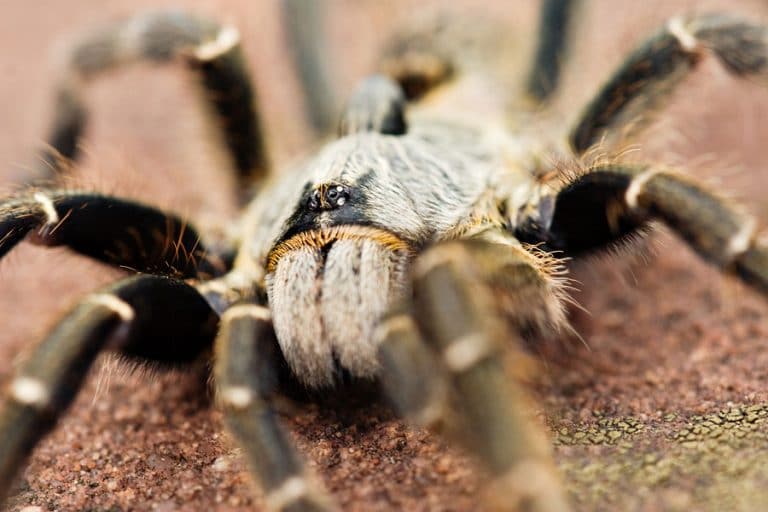
    Baboon tarantula Quick Facts Common name Baboon tarantula Type Arachnid (tarantula) Diet Insects and spiders; sometimes lizards, mice, birds Habitat Burrows in grassland, scrub and savannah Native range Africa Size Body 13-90 mm long Colours Brown, yellow, gray or black, and hairy Special feature No urticating hairs, but a painful bite Among the Biggest and…

  • Bird Eating Tarantula

    Goliath bird-eating tarantula Quick Facts Common name Goliath bird-eating tarantula Scientific name Theraphosa blondi Kingdom Animalia Phylum Arthropoda Class Arachnida Order Araneae Family Theraphosidae Genus Theraphosa Type Arachnid (tarantula) Diet Beetles, small snakes, lizards, frogs, bats and young birds Habitat Deep hideaways in rainforest Native range Northern South America, including Guyana and Suriname Size Leg…

  • Rose Hair Tarantula

    Chilean rose tarantula Quick Facts Common name Chilean rose tarantula Scientific name Grammostola rosea Kingdom Animalia Phylum Arthropoda Class Arachnida Order Araneae Family Theraphosidae Genus Grammostola Type Arachnid (tarantula) Diet Beetles, crickets, cockroaches, moths, grasshoppers Habitat Desert and scrub, in burrows Native range Northern Chile, Argentina and Bolivia Lifespan Females 15-20 years, maybe more Special…

  • Keeping a Spider as a Pet

    Many Consider Keeping Tarantulas an Absorbing Hobby Spiders are arthropods with eight legs and breathe air. They grab their victims using their fangs and poison their prey. You can find them all over the world except in Antarctica and can survive anywhere. Many consider keeping a spider as a pet, a very challenging hobby. Tarantulas…

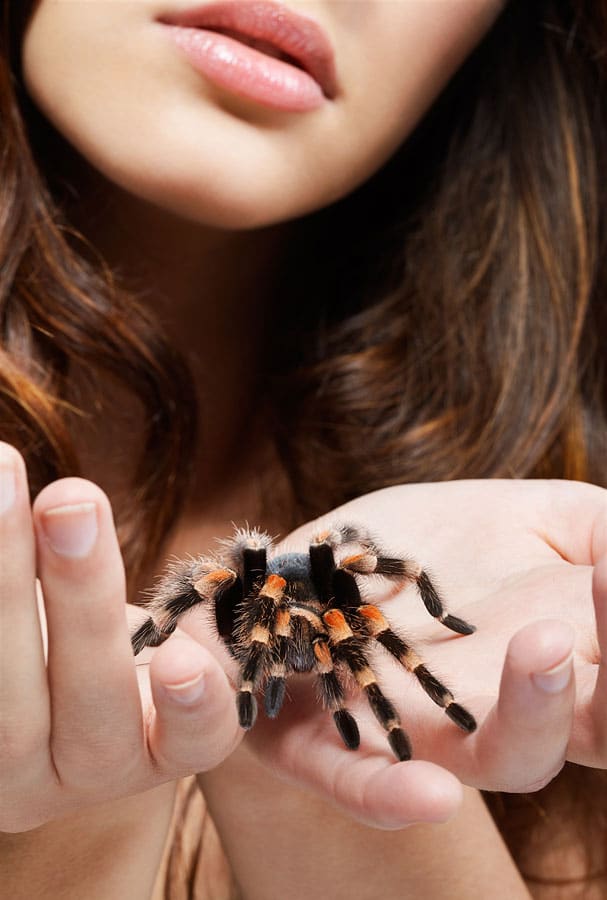
  • Mexican Tarantula

    Mexican red-kneed tarantula Quick Facts Common name Mexican red-kneed tarantula Scientific name Brachypelma smithi Kingdom Animalia Phylum Arthropoda Class Arachnida Order Araneae Family Theraphosidae Genus Brachypelma Conservation status Near Threatened Type Arachnid (tarantula) Diet Insects, spiders, frogs, mice and small birds Habitat Burrows in deserts and rocky rainforest Native range Mountain ranges of western Mexico…

  • Goliath Tarantula

    Goliath bird-eating tarantula Quick Facts Common name Goliath bird-eating tarantula Scientific name Theraphosa blondi Kingdom Animalia Phylum Arthropoda Class Arachnida Order Araneae Family Theraphosidae Genus Theraphosa Type Arachnid (tarantula) Habitat Deep burrows in damp, marshy areas Native range Northern South America Size Leg span about 12 inches Lifespan Females 15-25 years, males 3-6 years Colours…

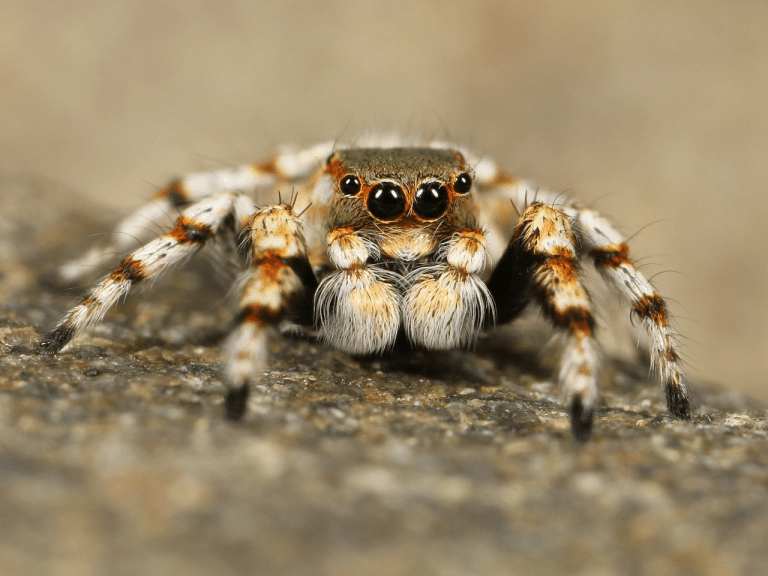
  • Jumping Spider

    Jumping spiders are small, fuzzy, big-eyed spiders that hunt by leaping onto their prey. They belong to the family Salticidae, the largest spider family in the world, with more than 6,000 known species living almost everywhere except the coldest places. Jumping spider Quick Facts Common name Jumping spider Scientific name Salticidae Kingdom Animalia Phylum Arthropoda…

  • Facts on Tarantula Spiders

    Largest Among the Species of Spiders in the World Hairy Mygalomorphs is a family of spiders that also include tarantulas. Scientists think this variety of spiders has been there for millions of years and has not undergone any significant change since. They are the largest among the species of spiders in the world. There are…

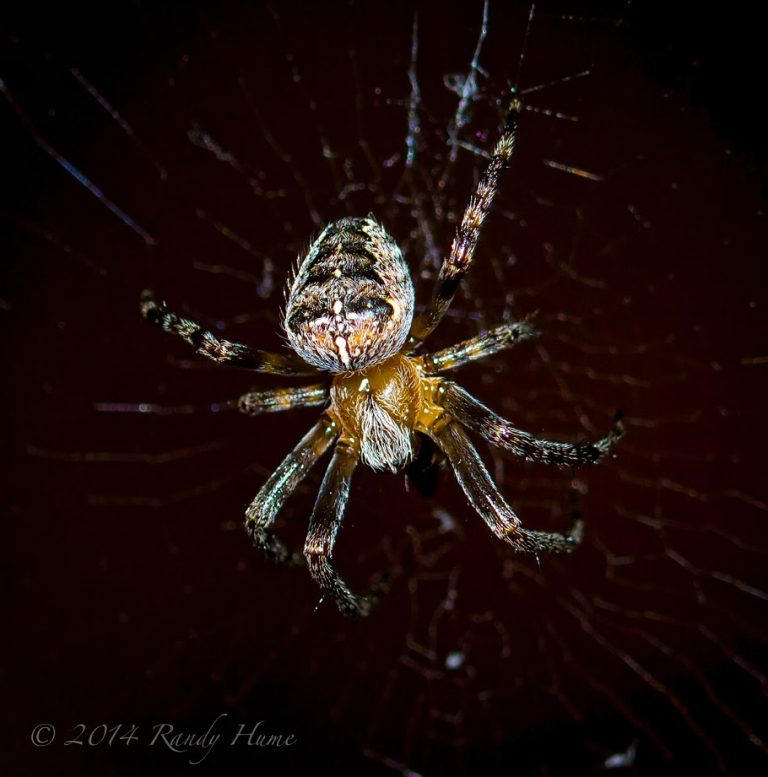
  • Garden Spider

    The garden spider, also called the yellow garden spider or black-and-yellow argiope (Argiope aurantia), is a large orb-weaving spider found across much of North America. It is famous for its bold black-and-yellow body and the thick zigzag of silk it weaves into the middle of its web. Garden spider Quick Facts Common name Garden spider…

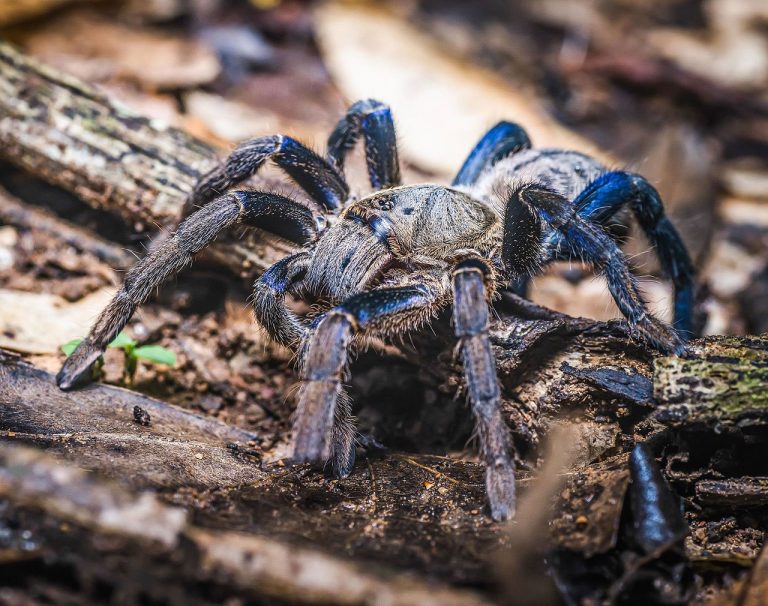
  • Blue Tarantula Spider

    Cobalt blue tarantula Quick Facts Common name Cobalt blue tarantula Scientific name Cyriopagopus lividus Kingdom Animalia Phylum Arthropoda Class Arachnida Order Araneae Family Theraphosidae Genus Cyriopagopus Type Arachnid (tarantula) Diet Insects; crickets in captivity Habitat Burrows in humid climates; sometimes webs Native range Cambodia, Laos, Vietnam, Thailand and Myanmar Size Leg span about 5 inches…

  • Buying a Pet Spider

    Select Your Suppliers Very Carefully Spiders are exciting creatures belonging to the family of arachnids. They are quiet and low on maintenance. However, like other intrusive and noisy pets like dogs or cats that warrant much more attention, buying a pet spider and keeping it as a pet, also involves a great responsibility. A first-time…