Blog

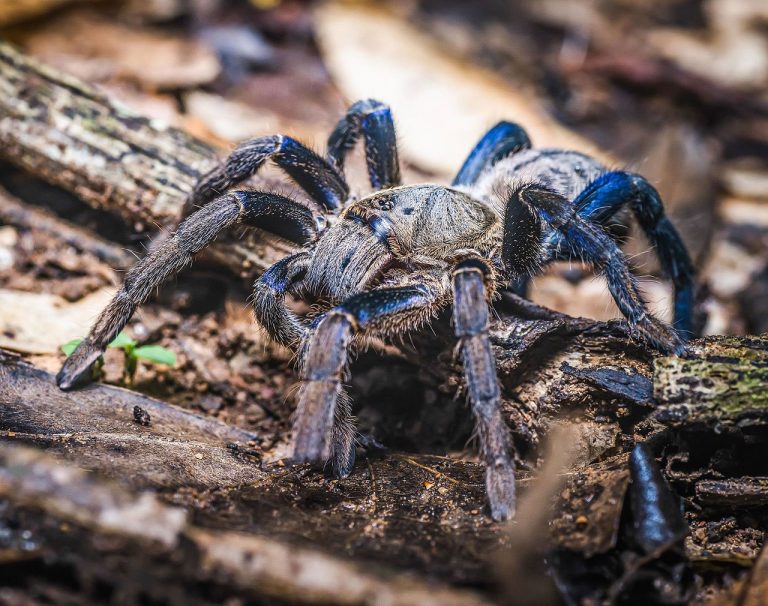
  • Blue Tarantula Spider

    Cobalt blue tarantula Quick Facts Common name Cobalt blue tarantula Scientific name Cyriopagopus lividus Kingdom Animalia Phylum Arthropoda Class Arachnida Order Araneae Family Theraphosidae Genus Cyriopagopus Type Arachnid (tarantula) Diet Insects; crickets in captivity Habitat Burrows in humid climates; sometimes webs Native range Cambodia, Laos, Vietnam, Thailand and Myanmar Size Leg span about 5 inches…


  • Keeping Tarantulas as Pets

    Beauty Lies in The Eyes Of the Beholder Tarantulas are a cluster of mostly hairy and quite large arachnids derived from the Greek word “Arachne,” meaning spider), or joint-legged invertebrate animals, with eight legs, belonging to the Theraphosidae family of spiders, in the subphylum Chelicerata, which boasts of more than 1,000 identified species. Tarantulas are a common…

  • Fancy Rat

    Scientific Classification & Quick Facts Name Fancy rat Breed of Brown rat (Rattus norvegicus) Kingdom Animalia Phylum Chordata Class Mammalia Order Rodentia Family Muridae Type Domesticated pet brown rat Diet Omnivore: eats almost anything, including fruit and vegetables Size Body 6-11 in; tail 7-9 in Weight 6-18 oz; some males up to 2 lb Lifespan…

  • Pet Rat Life Expectancy

    Best Physical Activities Promote Fitness, Good Health And Pet Rat Life Expectancy Rats are wonderful pets despite the fact that they earned a very bad reputation for the havoc they wreaked at the time of the bubonic plague. The average life span of a rat being approximately 2 to 3 years, makes them excellent pets…

  • Pet Rat Cages

    A good cage is the most important thing you can buy for a pet rat, because it is your rat’s bedroom, kitchen and playground all in one. Pet rats are smart, curious and active, so they need a roomy, safe, well-ventilated home with plenty of things to climb and explore. Why Rats Need a Good…

  • Pet Rat Types

    It is a great experience to know about the variety of pet rat types in the market today. It is a revelation for us to learn about the diverse varieties that we never knew about. The collectors have been speculating on the types of these rat varieties that have intrigued hobbyists over the years. Currently,…

  • Rhodiola

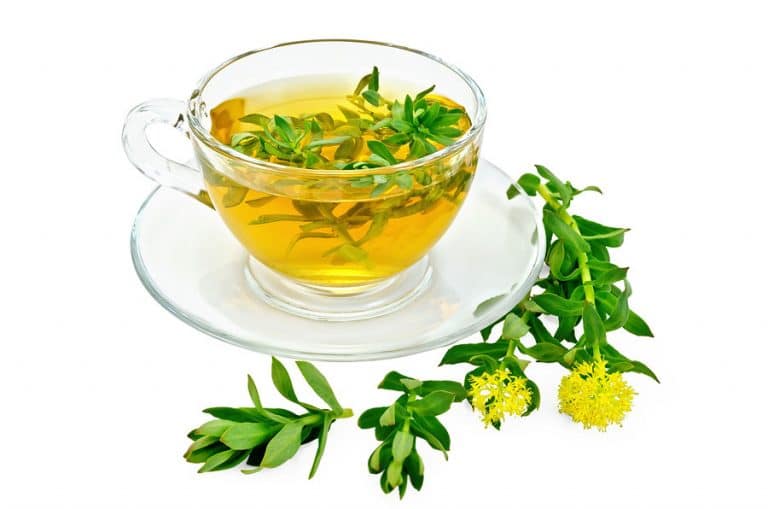
    Scientific Classification & Quick Facts Common name Roseroot Scientific name Rhodiola rosea Kingdom Plantae Phylum Tracheophyta Class Magnoliopsida Order Saxifragales Family Crassulaceae Genus Rhodiola Type Perennial flowering plant in the stonecrop family Habitat Cold mountains, sea cliffs and coastal ledges Native range Arctic, Europe, Central Asia, eastern North America Colours Yellow-green to yellow flowers, sometimes…

  • Red Clover

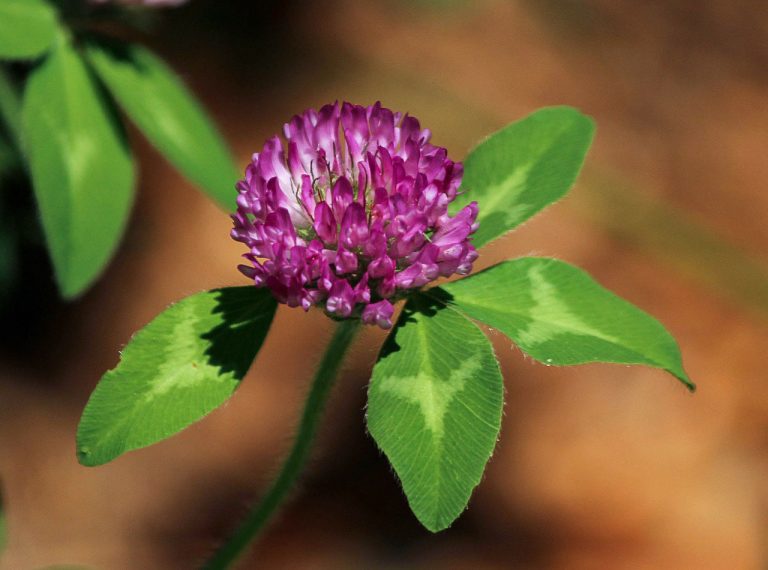
    Scientific Classification & Quick Facts Common name Red clover Scientific name Trifolium pratense Kingdom Plantae Phylum Tracheophyta Class Magnoliopsida Order Fabales Family Fabaceae Genus Trifolium Conservation status Least Concern Type Short-lived perennial herb in the pea family Habitat Waste land, roadsides, pastures; well-drained soil Native range Western Asia, northwest Africa, Europe Colours Deep pink flowers…

  • Pueraria Mirifica

    Scientific Classification & Quick Facts Common name Kwao Krua Scientific name Pueraria mirifica Kingdom Plantae Phylum Tracheophyta Class Magnoliopsida Order Fabales Family Fabaceae Genus Pueraria Type Woody climbing vine with tuberous roots Habitat Deep forests, 300–800 m above sea level Native range Thailand and northern Myanmar Colours Blue or purple flowers Flowering season February to…

  • Psyllium Husk

    Psyllium husk is the thin, papery outer coating of the seeds of a plant called Plantago ovata. When it gets wet, it swells into a slippery gel, which is why it is widely used as a fiber supplement. The plant is a small, hardy herb grown mainly in India. Scientific Classification & Quick Facts Common…

  • Pycnogenol

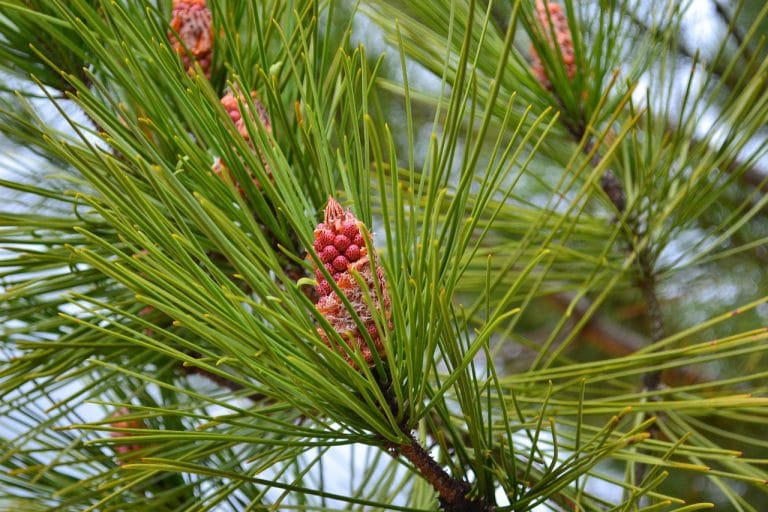
    The Pycnogenol is an extract of the bark of Pinus Maritima, commonly known as the European coastal pine. A natural product of plant origin, it is the most potent antioxidant known. It shields against toxins that commonly occur in the environment. Research studies have indicated that Pycnogenol is far more effective that vitamin E and…

  • Pimento Allspice

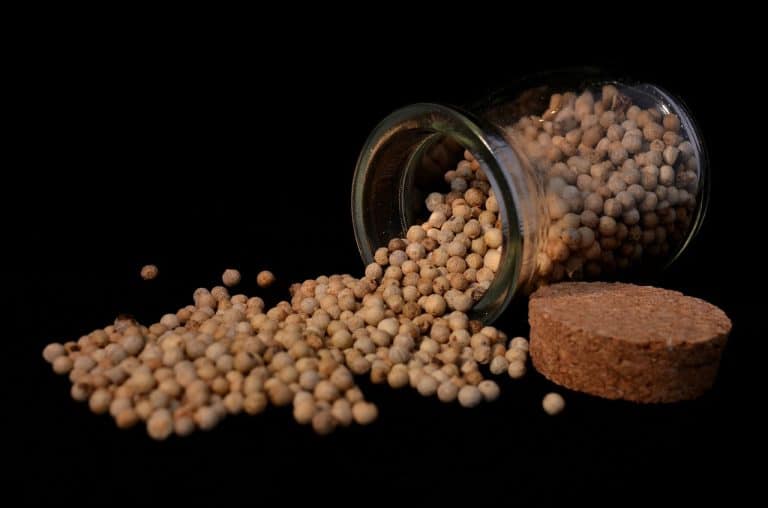
    Allspice is a warm-tasting spice made from the dried, unripe berries of the pimento tree (Pimenta dioica). It gets its name because its flavor reminds people of a mix of cinnamon, nutmeg, and cloves all at once. The tree is native to the Caribbean and Central America, and Jamaica is famous for growing it. Scientific…