Blog

  • Tree Frog

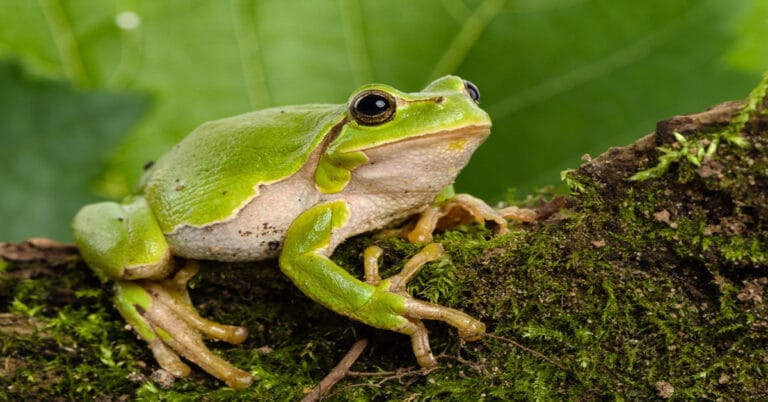
    Tree frogs spend the most part of their life in trees, a situation referred to as the arboreal state. Many divisions of the Neobatrachia contribute to different types of tree frogs, although no close link exists between them. The Neobatrachia is a suborder of the Anura, under the order of frogs and toads This suborder is the…
  • Cuban Tree Frog

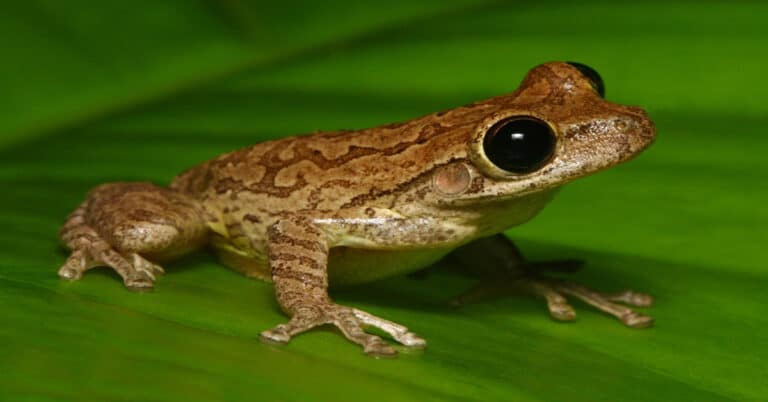
    The Cuban tree frog, scientifically known as frog Osteopilus Septentrionalis, is an amphibian inhabiting the regions of the Caribbean of the Western Hemisphere. In North America, this is the biggest tree frog. Because it is a Voracious eater and has the capability to prosper along with human beings. It has become a species that, to a…

  • American Bullfrog

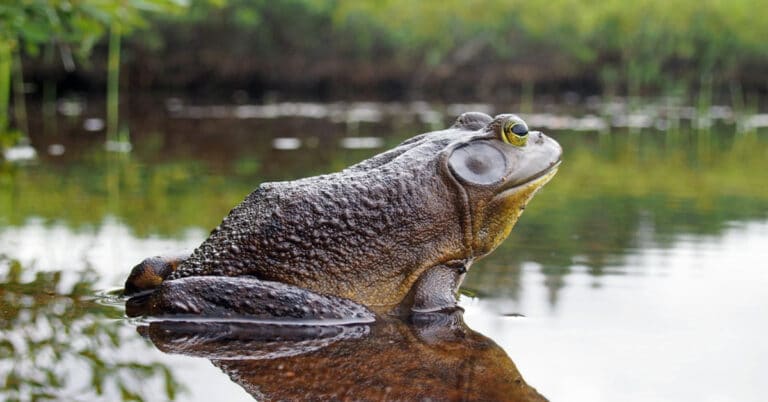
    The American bullfrog scientifically called Lithobates Catesbeianus, is generally known in the United States and Canada by the name bullfrog. This is a marine frog, associated with the Ranidae family or “real frogs”. This variety is customarily grouped as Frog Rana Catesbeiana, nevertheless, on account of paraphyly( where one group of organism separates from other groups at a particular point…

  • Bladderworts

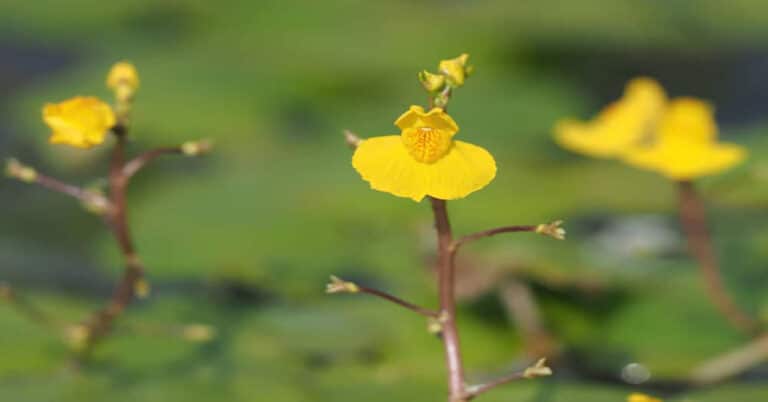
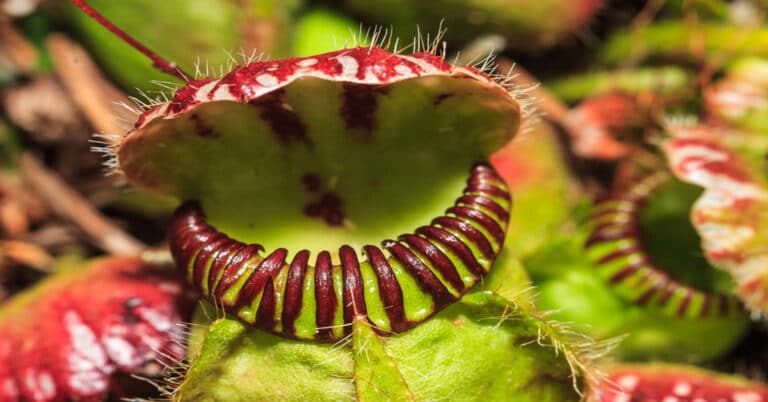
    Most of you are surely acquainted with the Venus Flytrap,  biological name Dionaea Muscipula and its amazing carnivorous,  feeding habits, but how many of you are familiar with other hunting carnivores plants? Meet the Utricularia or the Bladderwort plant that has a trap working at almost 100 times the speed of a Venus Flytrap. The interesting facts…

  • Catopsis

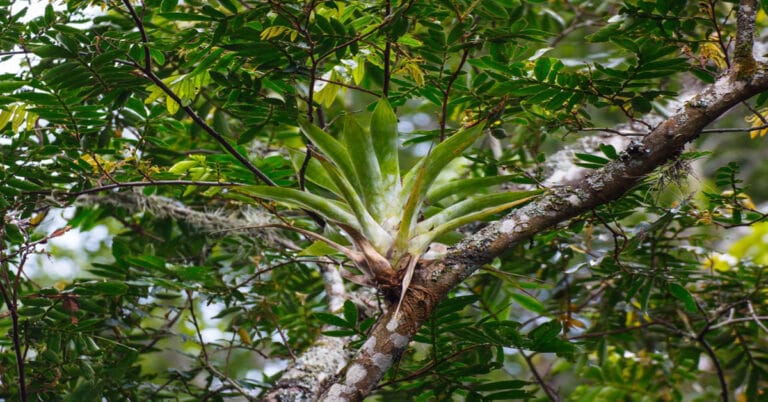
    The species Catopsis belongs to the family Bromeliaceae and the  Tillandsioideaev subfamily. The name derives from “kata” the Greek word for “hanging down” combined with “opsis” or “appearance”. You can find varieties of Catopsis from Florida, running parts of Brazil in the East, as well as the Caribbean. Kingdom Plantae (Plants) (Unranked) Angiosperms (Unranked) Monocots (Unranked) Commelinids Order…

  • Nepenthes

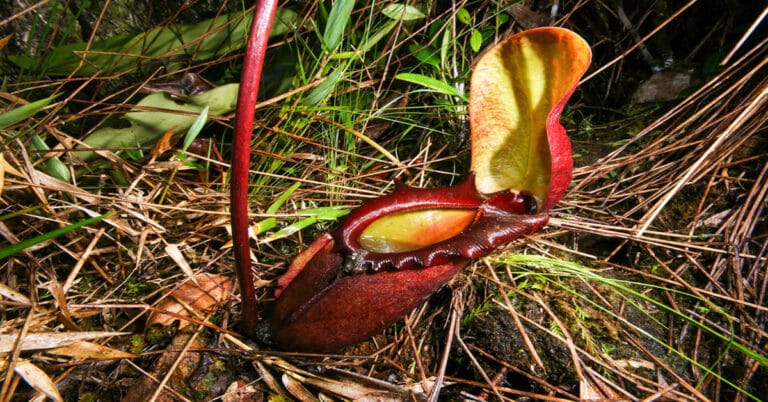
    Tropical pitcher plants, popular name monkey cups, fit in the Nepenthes carnivorous plants species having pitfall traps. They include a verified list of 130 prevalent varieties in China, Indonesia, Philippines, Malaysia, Madagascar, Australia, India, Seychelles, Borneo, and Sumatra. They derive the name “monkey cups” due that you can often see monkeys drinking rainwater from them. Kingdom Plantae…

  • Sundews

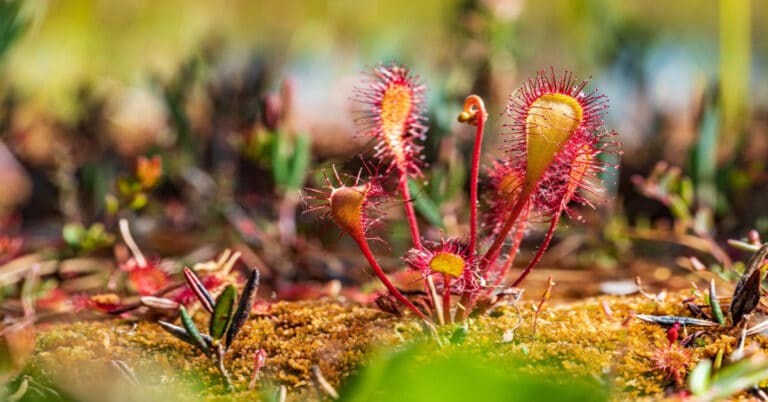
    Drosera, usually famous as the sundews, encompasses one of the biggest varieties of carnivorous plants, having over 194 species. The members of the Droseraceae family attract, arrest, and absorb insects through stalked mucilaginous glands spread over the surface of their leaves. The insects go to enrich the meager mineral nutrition of the soil wherein they grow….

  • Butterworts

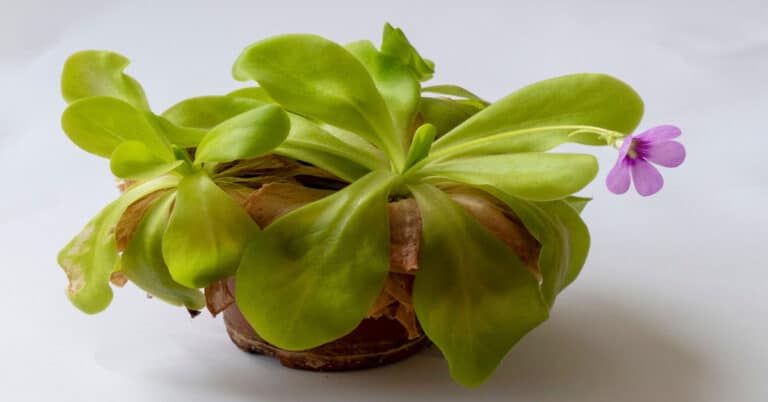
    Pinguicula carnivorous plants, more popularly known as the butterworts, are a species of carnivorous plants that employ their sticky, glandular leaves to entice, trap, and absorb insects to compensate for the meager mineral nutrition they get from the environments. At present, it has eighty known species. Of these, twelve belong to Europe, nine to North America,…

  • Heliamphora

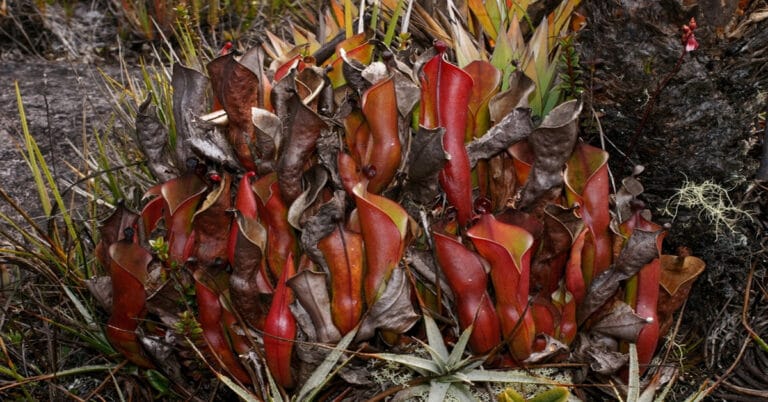
    The genre Heliamphora carnivorous plants have 23 varieties of pitcher plants that are widespread in South America. Everyone knows the species group as “sun pitchers,” because of the misguided opinion that the Heli of Heliamphora derives from the Greek Helios, meaning “sun”. Actually, the name is a derivative of helos, meaning marsh. Therefore, a more precise translation of their scientific…

  • Drosophyllum Lusitanicum

    Drosophyllum is a type of carnivorous plant having a single genre, Drosophyllum lusitanicum (Portuguese sundew or dewy pine). It looks akin to the related group Drosera (the sundews) and to the more distant cousin Byblis (the rainbow plants). Kingdom Plantae (Plants) (Unranked): Angiosperms (Unranked): Eudicots (Unranked): Core Eudicots Order Caryophyllales Family Drosophyllaceae Chrtek, Slavikova & Studnicka Genus Cephalotus…

  • Western Australian Pitcher Plant

    Cephalotus follicularis is the single specie of the genus Cephalotus and they call it the pitcher plant. The adapted leaves form the pit-fall traps and many names exist for this plant, including, the flycatcher plant, the Albany pitcher plant, the moccasin plant, and the Western Australian pitcher plant. Kingdom Plantae (Plants) (Unranked) Angiosperms (Unranked) Eudicots (Unranked)…

  • California Pitcher Plant

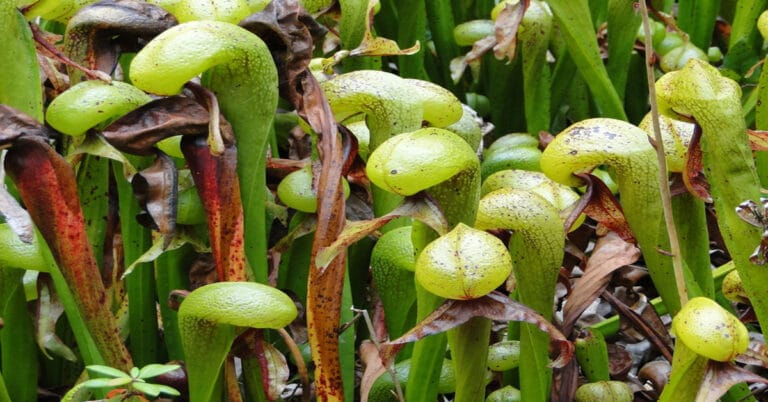
    Darlingtonia California is also known as California pitcher plant, cobra plant, or cobra lily California is a genus of animal-eating plant, the only member of the genre Darlingtonia from the family of the Sarraceniaceae. It inhabits Northern California and Oregon, grows in marshes, and seeps with cold running water. This plant has an unusual classification as due to its natural…