Reeve’s Turtles
Scientific Classification
| Kingdom: | Animalia |
| Phylum: | Chordata |
| Class: | Sauropsida |
| Order: | Testudines |
| Suborder: | Cryptodira |
| Superfamily: | Testudinoidea |
| Family: | Geoemydidae |
| Genus: | Mauremys |
| Species: | M. reevesii |
| Binomial name: | Mauremys reevesii |
The Chinese three-keeled pond turtle or the Reeves turtles is one of the endangered varieties of Asia because the Chinese collect a lot of them and market them as Chinese food products. In the 1970s, and earlier, these very same tiny turtles with sharp features, were famous in the pet trade. Gracefully many US keepers breed them as pets, even today.
Anatomy
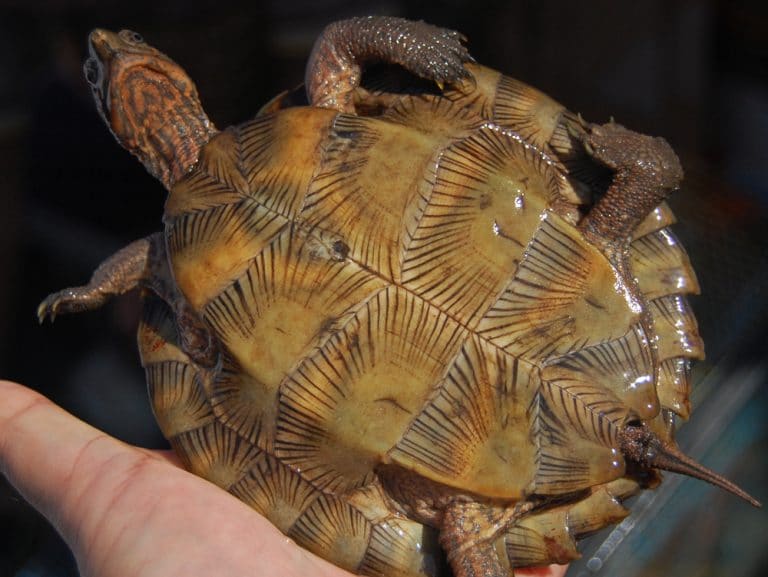
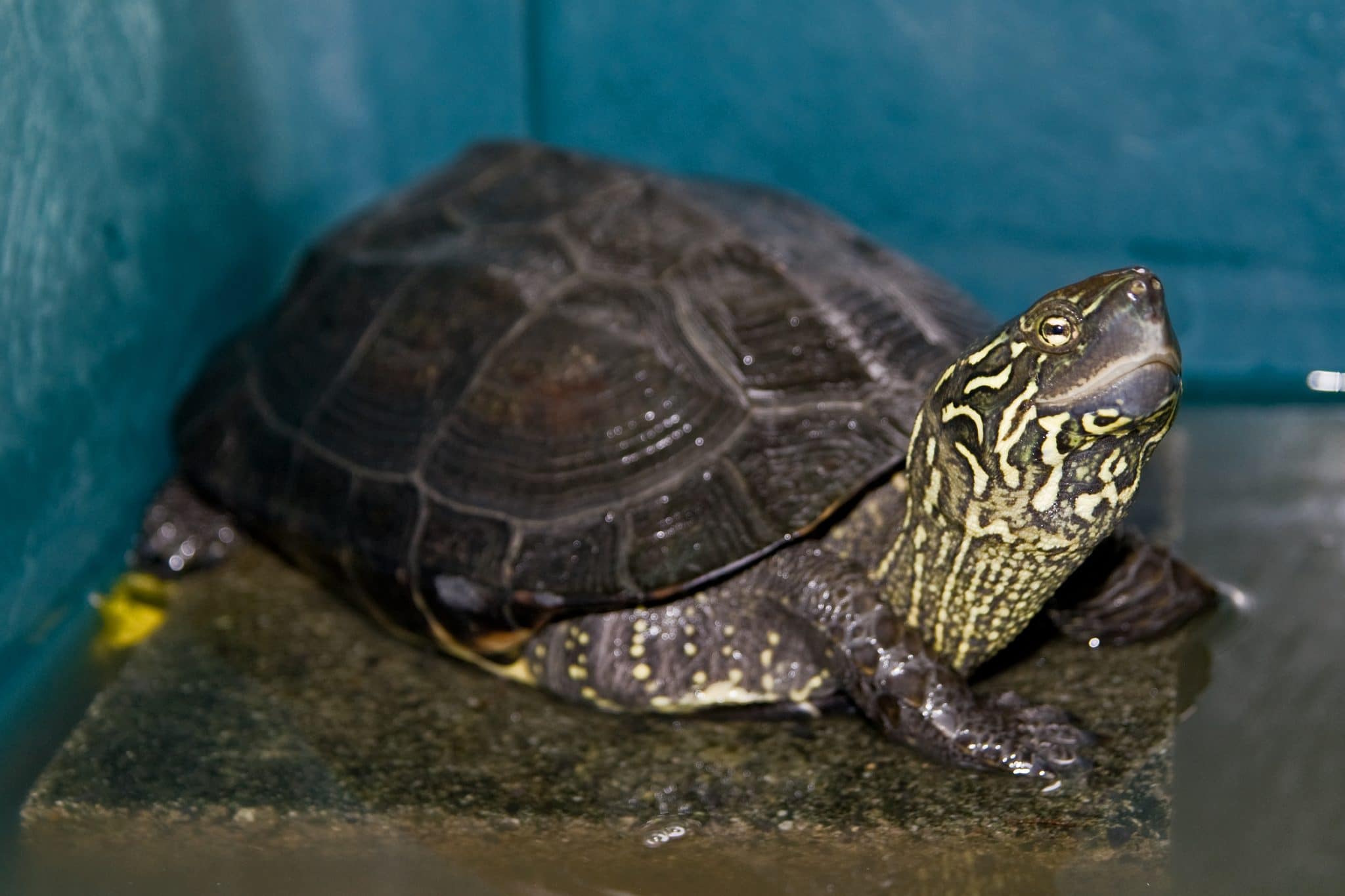
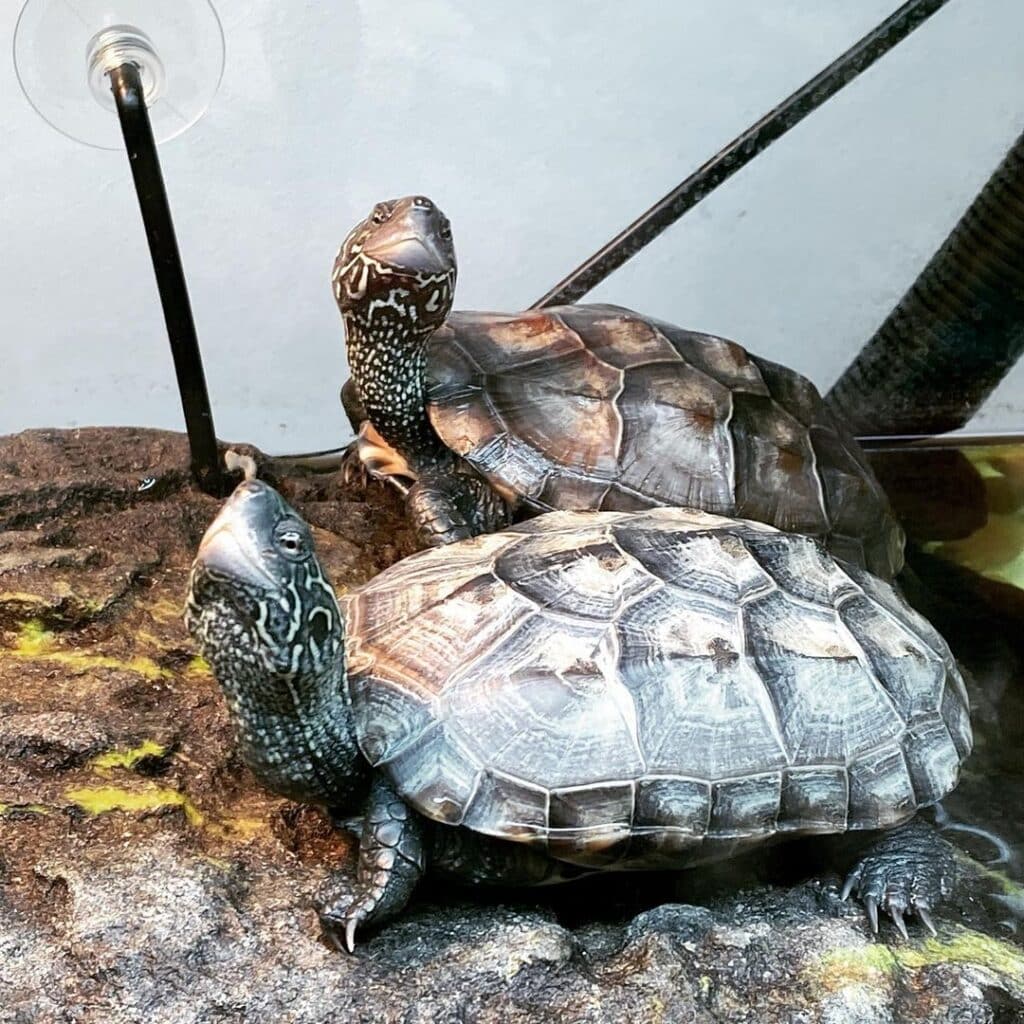
The Reeves turtle is rectangular in shape and most of these turtles attain a length of 5”. Along the length of the carapace from head to the tail of the Reeve’s turtles you will find three ridges or keels. The color of the Reeve’s Turtles differs to a great extent from turtle to turtle. The carapace has three firm ridges, its sides are parallel and reasonably dome-shaped. The scutes of the carapace are generally brown in color. The plastron covers the entire abdomen, it is usually yellow and blotched brown.
Habitat
Reeve’s Turtles are “semi-aquatic”. Just as the Central American Wood Turtles, when in the wild these turtles are likely to spend a great amount of their time on land. Even though the hatchlings are most of the time in water, they come out of the water mainly to bask. While advancing in age, they tend to prefer the land, still they do not leave the water habitat.
As a Pet
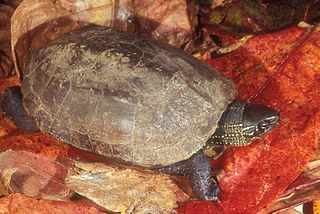
The reeve’s turtle is on the whole small and as such you can conveniently breed them indoors. Apart from this, each turtle has its own personality; they are robust and tame rapidly, for which reason, it is an ideal starter pet turtle for beginners. It willingly eats a lot of food; it is also very appealing and robust. To conclude, every turtle grows with a unique personality, turning out as super turtles to admire and watch particularly when you house a female and a male in a cage. In brief, these Reeve’s Turtles currently in the market are exceedingly interesting and easy to maintain.
Housing
In custody, we normally consider them an aquatic variety; and adapt well to an aquarium life.
Temperature and Humidity
Very often, we come across these Reeve’s turtles in nature basking on rocks or logs. For facilitating them with an artificial basking area, keep a hardware store reflector clip light lamp above the dry end of the housing. Even though these turtles can tolerate cold temperature they adjust to ambient temperature of 77 – 86°F as well. You can easily maintain these temperatures with a low-wattage UVB light lamp or LEDs.
Lighting
To provide for an infusion of Vitamin D3, needed in calcium metabolism, you can equip the cage with a complete spectrum of fluorescent lights that provide UVB. You can add a Mercury vapor bulb to complete this lighting arrangement.
Captive Feeding
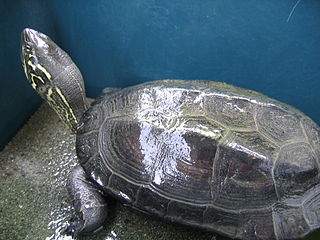
Reeve’s Turtle (Chinemys reevesii), likes to bask. As they are omnivorous; their diet consists of fruits and greens, pellets, aquatic plants, fish, worms, insects and meat. These carnivorous Reeve’s Turtles anxiously feed on worms, insects and thawed frozen fish, and in addition they have some greens. Besides, they like to consume aquatic vegetation like duckweed. As they advance in age, they seem to prefer a higher percentage of vegetables. Most of the turtle-feed available in the market, consists of catfish foods or Koi. These are the ideal food stuff for the hatchlings.
Breeding
In case you desire to raise Reeve’s Turtles, ensure that you provide proper reeves turtle care that includes a land area for the female turtles to bury their eggs in the dirt or damp soil. At a time she lays 2 to 3 eggs.
Handling
Prior to managing them, give them the freedom of getting acquainted with your home. The Reeve’s turtles warm up to you and you can reduce stress when you handle them at periodic intervals.
Having discovered a fondness for insects while pursuing her degree in Biology, Randi Jones was quite bugged to know that people usually dismissed these little creatures as “creepy-crawlies”.