Bird Life Cycle: Stages from Egg to Adult (With Diagram)

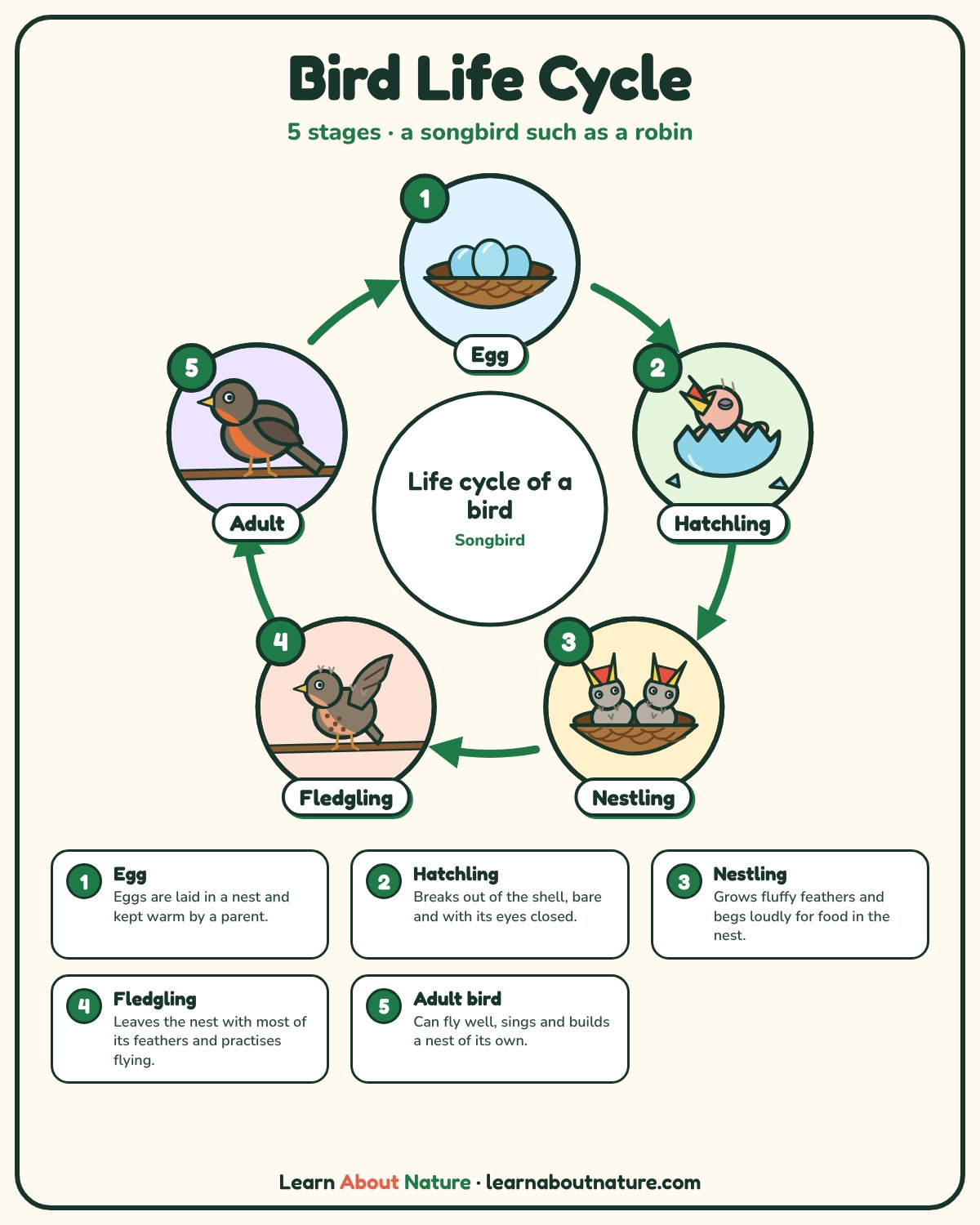
Quick answer: The bird life cycle has five stages: egg, hatchling, nestling, fledgling and adult. Parents incubate the eggs until they hatch, feed the young in or near the nest, and fledglings learn to fly and find food before growing into adults that breed, often within a year.
The bird life cycle has five stages: egg, hatchling, nestling, fledgling and adult. Every bird, from the tiniest hummingbird to the giant ostrich, starts life inside an egg. What happens after hatching depends a lot on the kind of bird, because some babies are helpless and others are up and running within hours.
Bird Life Cycle Quick Facts
| Common name | Bird |
| Scientific name | Aves |
| Kingdom | Animalia |
| Phylum | Chordata |
| Life cycle stages | Egg, hatchling, nestling, fledgling, adult |
| Type of development | Hatches from eggs; chicks altricial or precocial |
| Incubation | About 11–14 days in many songbirds; 2+ months in albatrosses |
| Time to adulthood | Usually about 1 year for small birds; several years for large birds |
| Lifespan | A few years for many songbirds; decades for some large birds |
| Number of eggs | From 1 (many seabirds) to a dozen or more (some ducks and quail) |
There are more than 10,000 species of birds, so their life cycles vary in timing. A small songbird can go from egg to flying in about a month, while a big albatross may take most of a year just to raise one chick. The stages below describe the general pattern, with examples from familiar birds.
Stage 1: Egg
Birds’ life cycles usually begin with courtship and mating, often in spring. You can read more about this in how birds mate. Most birds then build or find a nest where the female lays her eggs. Nests come in all shapes, from cups of grass and mud to holes in trees and bare scrapes on the ground. See the different types of bird nests.

The number of eggs in a clutch varies widely. Albatrosses and many other seabirds lay just one egg, many songbirds lay about three to six, and some ducks and quail lay a dozen or more. Eggs come in many colors and patterns too. The sky-blue color of robin eggs is a famous example.
Parents keep the eggs warm by sitting on them, which is called incubation. In some species only the female sits, while in others both parents take turns. Inside the egg, the yolk feeds the growing chick. Incubation lasts about 11 to 14 days in many small songbirds and more than two months in the largest albatrosses.
Stage 2: Hatchling
When it is ready to hatch, the chick uses a tiny, sharp bump on its beak called an egg tooth to break through the shell. Making the first small hole is called pipping. Hatching can take hours or even a day or more. The egg tooth falls off or disappears soon afterward.
Altricial vs precocial chicks
Birds hatch in two main ways:
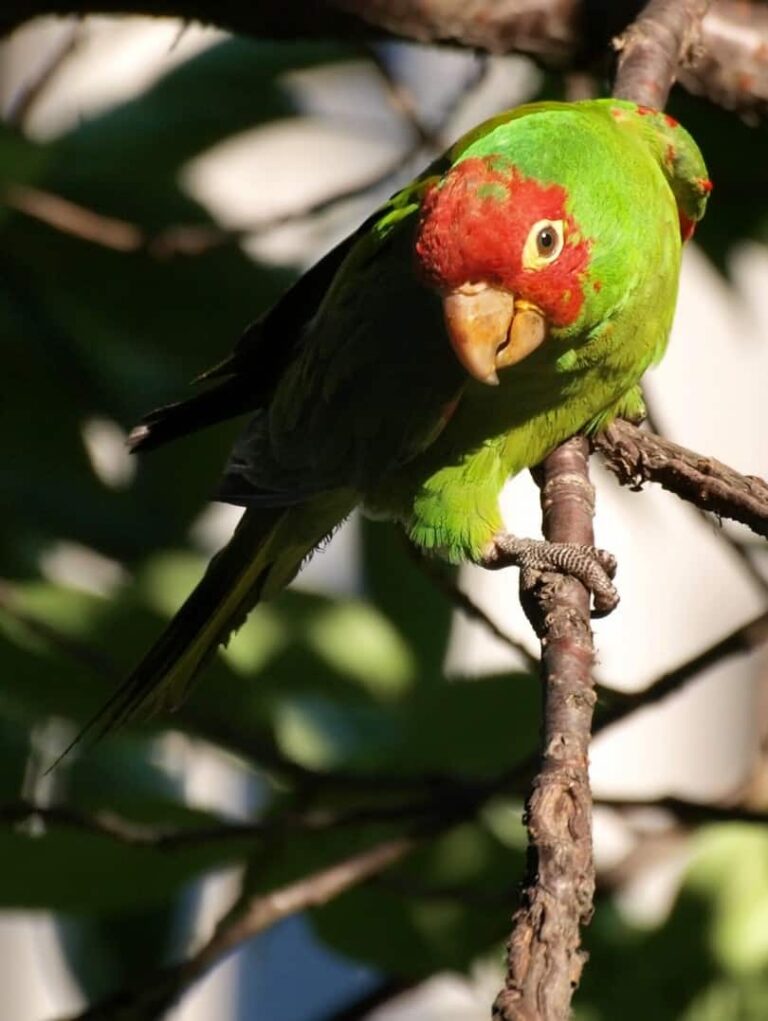
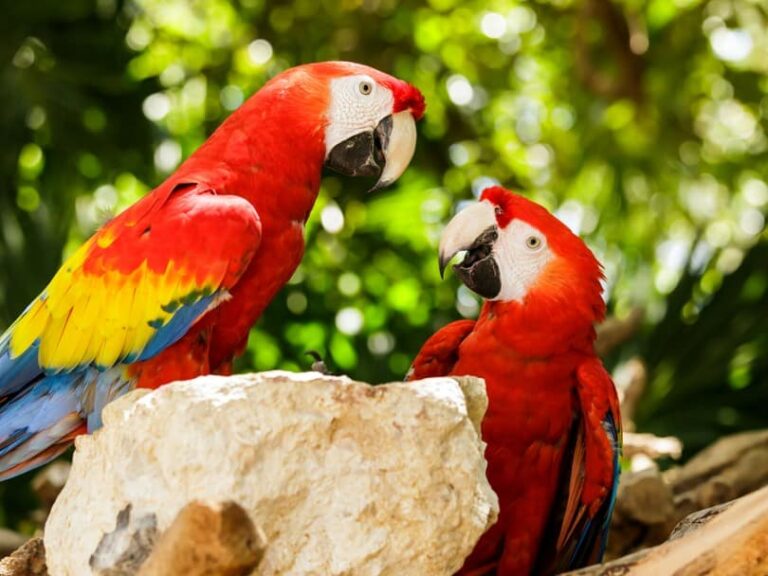
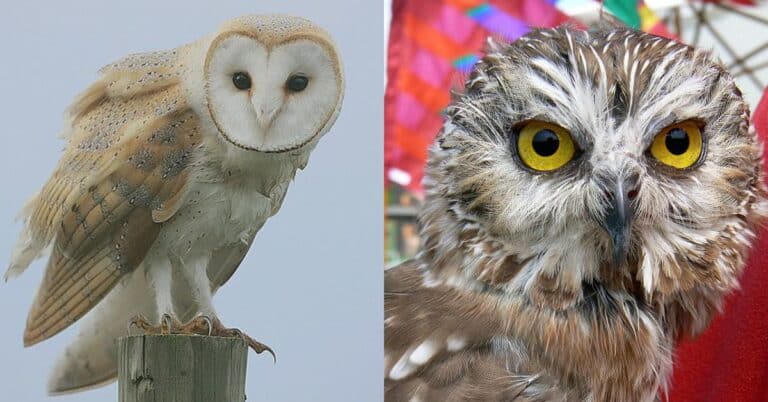
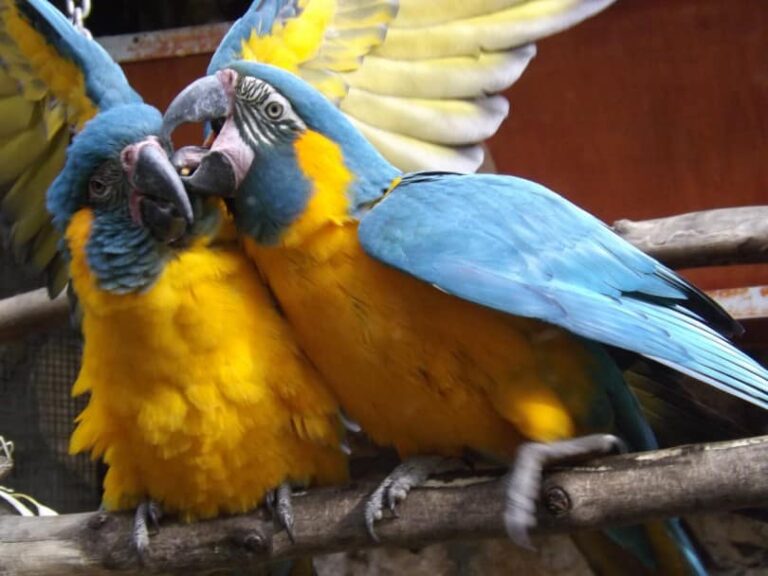
- Altricial chicks hatch with their eyes closed and little or no down. They cannot walk or keep themselves warm, so they stay in the nest and depend on their parents for food and warmth. Songbirds, pigeons, woodpeckers, parrots and owls have altricial chicks.
- Precocial chicks hatch with open eyes and a coat of fluffy down. They can walk, swim or run within hours and often find their own food while their parents guard them. Chickens, ducks, geese, quails and many shorebirds have precocial chicks.
Many birds fall somewhere between these two types, but the difference helps explain why some birds stay in the nest for weeks and others leave on the day they hatch.
Stage 3: Nestling
Altricial chicks spend their first days and weeks as nestlings. Their parents work from dawn to dusk to bring them food, usually insects, worms, seeds or fish, depending on the species. Nestlings open their brightly colored mouths wide and call loudly to beg.
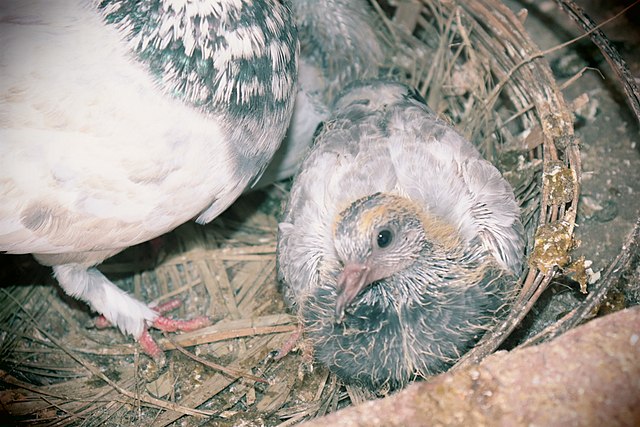
Nestlings grow astonishingly fast. Their feathers start as tubes called pin feathers that soon open up. American robins leave the nest about two weeks after hatching. Pigeons and doves feed their young a special food called crop milk, made in the parents’ throats, and the chicks stay in the nest for several weeks. Learn more about baby pigeons.
Nestlings face many dangers, including snakes, cats, squirrels, crows and bad weather. Parents often remove droppings from the nest to keep it clean and avoid attracting predators.
Stage 4: Fledgling
A fledgling is a young bird that has left the nest but is not yet fully independent. Most fledglings have nearly all their feathers but short tails and wobbly flying skills. They hop on the ground or flutter between branches while their parents keep feeding them and teaching them where to find food.
It is common to see a fledgling on the ground in spring and summer. This is a normal part of growing up, and the parents are usually close by. If a bird looks injured or is in obvious danger, ask an adult to contact a local wildlife rehabilitator. For more ways to help, see these tips for hosting nesting birds safely in your yard.
Stage 5: Adult
Fledglings become juveniles that feed themselves, and eventually adults that can breed. Most small birds are ready to raise their own young the spring after they hatch. Large birds take longer. A bald eagle does not get its white head until it is about five years old, and some albatrosses do not breed until they are several years older than that. Read about some of the biggest eagles in the world.

Adult birds replace their worn feathers by molting, usually once or twice a year. Many adults migrate long distances between their breeding and winter homes. When an adult pair builds a nest and lays eggs, the life cycle begins again. To see how a bird’s body is built for all this, read about bird anatomy.
How Long Does a Bird Live?
Bird lifespans range from a few years to many decades. Many small songbirds in the wild live only two to five years, although some survive much longer. Large birds usually live longer. Parrots, eagles and seabirds can live for decades, and a wild Laysan albatross named Wisdom was still raising chicks when she was over 70 years old. Most young birds die in their first year, which is why many small birds lay several eggs and may raise more than one brood a year.
Bird vs Chicken Life Cycle
Chickens are birds too, so the chicken life cycle follows the same basic stages. The big difference is that chickens are precocial. A chick hatches after about 21 days with open eyes and fluffy down, and it can walk and peck for food within hours. It never spends time as a helpless nestling. A robin chick, on the other hand, is altricial and must be fed in the nest for about two weeks before it leaves.
Birds also have a lot in common with reptiles, which lay eggs too. Compare the bird life cycle with the turtle life cycle, or see all our animal and plant life cycles.
Fun Facts About the Bird Life Cycle
- The ostrich lays the largest egg of any living bird.
- Some hummingbird eggs are about the size of a jelly bean.
- Ducklings can swim and follow their mother within a day of hatching. Find out whether ducks can fly.
- Brush-turkeys and their relatives bury their eggs in warm mounds, and the chicks dig themselves out and can fly within about a day.
- Pigeons and doves feed their chicks crop milk, something very few other birds do.
- Many songbirds go from egg to flying in about a month.
More life cycles
- Owl Life CycleEggs → owlet → fledgling → adult
- Chicken Life CycleEgg → chick → young bird → hen or rooster
- Bat Life CyclePup → juvenile → adult
- Rabbit Life CycleKits → young rabbit → adult
- Frog Life CycleEgg → tadpole → froglet → frog
Bird Life Cycle FAQs
What are the five stages of a bird’s life cycle?
The five stages are egg, hatchling, nestling, fledgling and adult. Precocial birds such as chickens and ducks skip most of the nestling stage.
What is the difference between altricial and precocial birds?
Altricial chicks hatch helpless, with closed eyes and little down, and are fed in the nest. Precocial chicks hatch with open eyes and down and can walk and find food within hours.
What is the difference between a nestling and a fledgling?
A nestling is a young bird that still lives in the nest. A fledgling has left the nest but cannot fly well yet, and its parents still feed it.
How long does it take a bird egg to hatch?
Many small songbird eggs hatch in about 11 to 14 days, and chicken eggs take about 21 days. Large birds such as albatrosses can take more than two months.
What should I do if I find a baby bird on the ground?
If it has feathers and hops around, it is probably a fledgling and its parents are nearby, so leave it alone. If it looks injured or is in danger, ask an adult to contact a wildlife rehabilitator.

Randi Jones is the owner and founder of the Nature Gift Store, an online retailer specializing in nature-themed gifts, educational science projects, live animal nature kits and real butterfly artwork. A biology graduate who fell in love with insects, she founded the company in 2001 to make active learning about nature fun, accessible and engaging for children and adults. Her store offers real butterfly frames, home and garden decor and educational live animal kits, including ant farms, worm farms, tadpoles, ladybugs and hermit crabs, and she runs a bug museum in Washington featuring live animals like Eddie the Iguana alongside other reptiles and insects.