The Difference Between Frogs and Toads
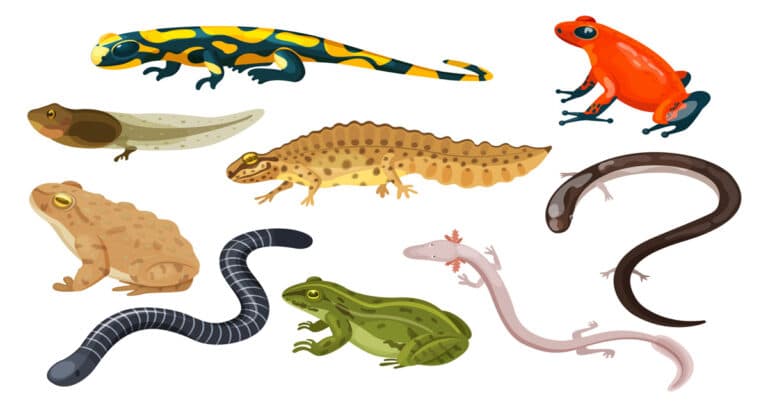
The big question is what is the difference between frogs and toads? The problem with this question is that there isn’t an easy answer because toads ARE frogs, or at least they are in the frog family. But toads aren’t what are called “true frogs”. True frogs are the species of frogs that most people think of as frogs and not toads. True toads are what people think of as toads and not frogs. There are several differences in true North American frogs and true North American toads.
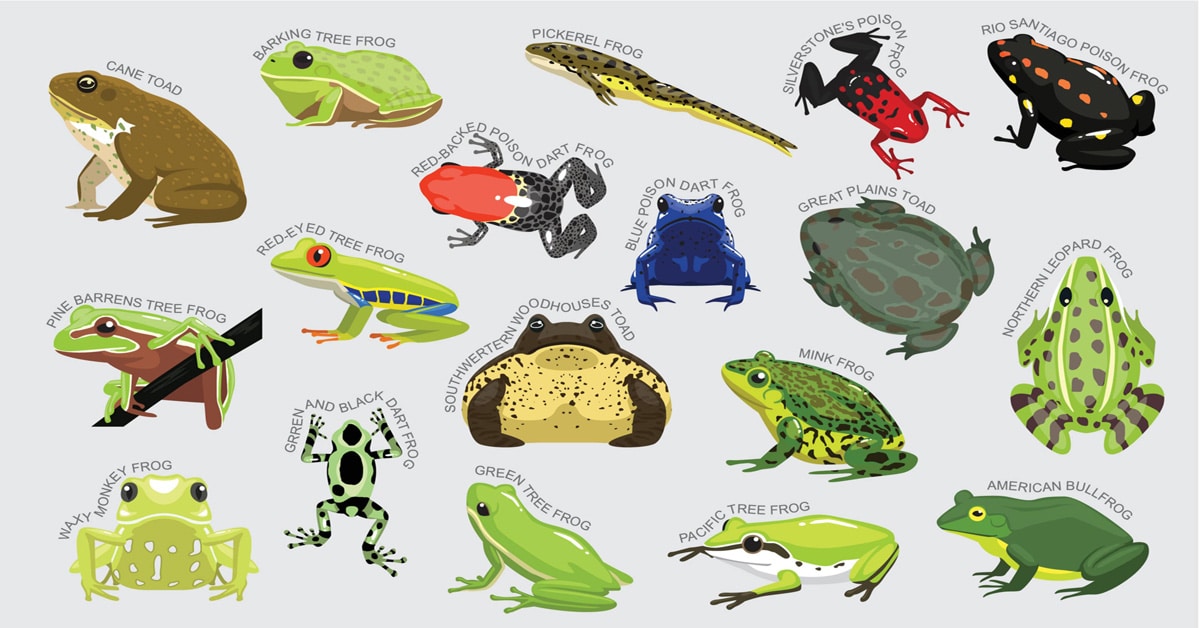
Frogs have smooth, wet skin that looks slimy. Toads have drier, rough skin that looks really bumpy, like warts. This is where the myth comes from that you will get warts when you touch a toad, but that just isn’t true. Toads do have a weird smell and yucky taste to their skin, though. This is to keep bigger animals from wanting to eat them.
Frogs have skinnier bodies than toads too. Toads are kind of wide and look fat. Frogs also have longer legs and webbed hind feet, but toads don’t need long jumping legs because they walk, and they don’t need webbed back feet for swimming because they live on land. Frogs live in water and jump everywhere they go.
Toads do lay their eggs in water, though, because their babies start off as tadpoles, just like frog babies do. The difference is that frog eggs are laid in bunches or clusters, and they have a jelly-like substance around them. Toads lay their eggs in lines, or strands, on the leaves of plants that live in the water.
In some parts of the world, especially tropical parts near the equator, frogs and toads look very much alike. The only way to tell these frogs and toads apart is to look at their teeth and bones because they will be different, but good luck catching them so that you can get a close look.
If you really want to be able to tell the difference in frogs and toads, ask your parents to take you to the local zoo and go to the amphibian house. There will be frogs and toads from around the world there. Don’t look at the names of the creatures; try to figure out for yourself which ones are which now that you know the difference in frogs and toads.
Having discovered a fondness for insects while pursuing her degree in Biology, Randi Jones was quite bugged to know that people usually dismissed these little creatures as “creepy-crawlies”.