Why Are Frogs So Many Different Colors?
Quick answer: Frogs come in many colors for camouflage, warning and attracting mates. Green and brown frogs blend in with their surroundings, while bright colors on poison dart frogs warn predators that they are toxic.
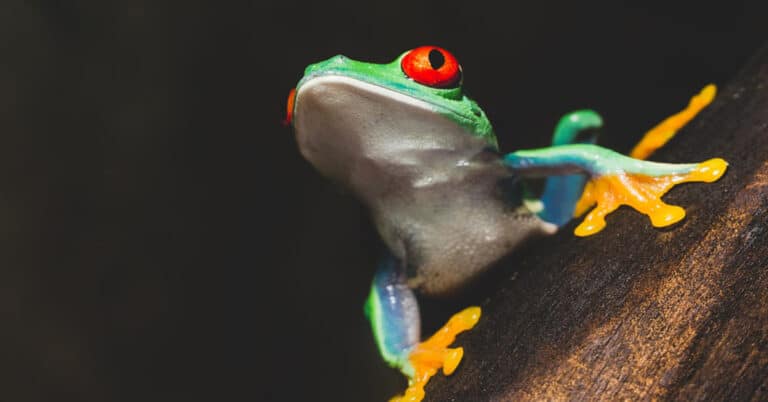
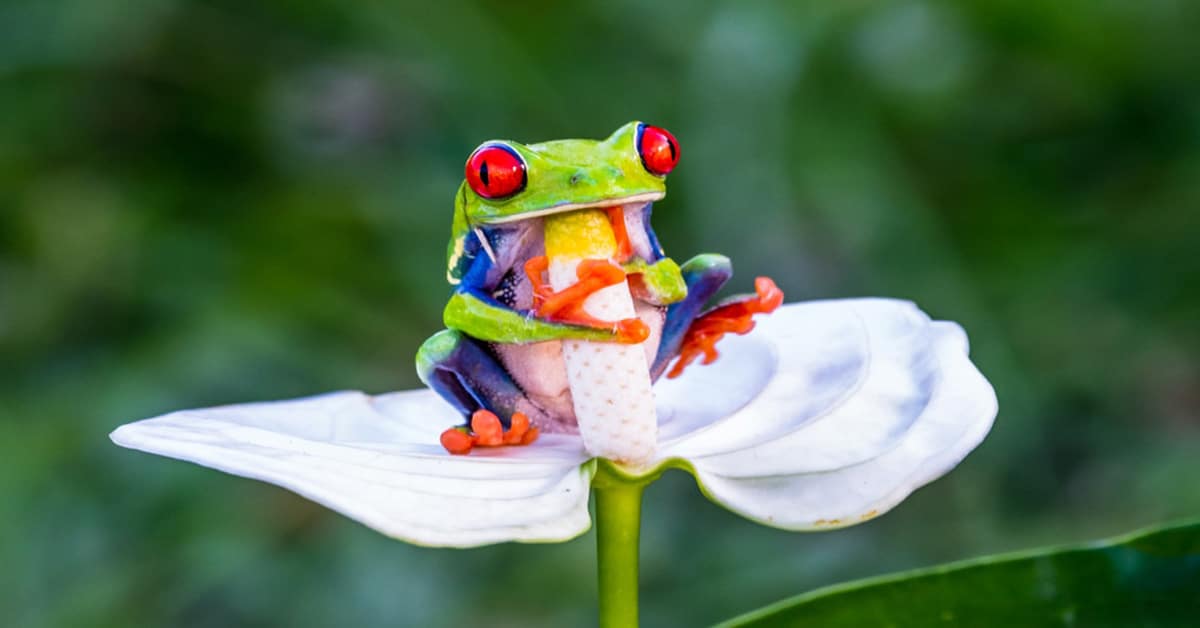
Well, this is a good question to think about. Are all of the people in the world the same color? Are all of the dogs and cats in the world all one color? Nope! With that being said, why should we assume that frogs are all going to be the same color? There are more than 7,000 different species in the frog and toad family and all of them are just a little different and special in their own way. There can be red, green, blue, purple, yellow and even metallic-looking frogs and they all have very distinct markings and are definitely those colors for a reason.
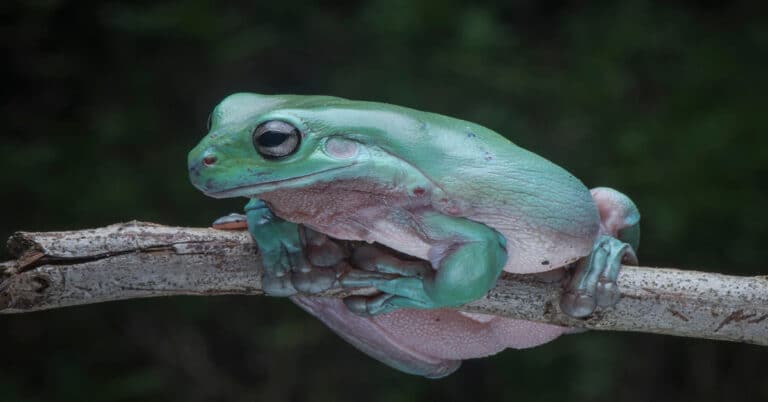
There are several reasons for all the different colors. A bright color could tell other animals if the frog is poisonous or not. Some frogs that are not poisonous have become bright colors too, called ‘mimicry’, in hopes that predators will mistake them for poisonous ones. Many frogs can change their colors according to their surroundings (camouflage). Some frogs, like the Ornate Tree Frog, even come in different colors and shapes within the same species. A White tree frog can even change its own color depending on where it is sitting. Some frogs have bright colors just underneath, like the Fire-Bellied toad so if a predator bothers it, it will flash the bright color at it and hopefully scare it away.
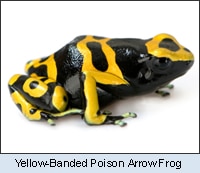
So as you can see, there is not one answer to why we see so many different colors of the frog. There are many different reasons, and most of them involve clever ways for the frog not to be eaten.
Frog Colors FAQs
Why are some frogs brightly coloured?
Bright colours often act as a warning. Poison dart frogs, for example, have vivid red, yellow or blue skin that tells predators they are toxic and taste bad. This is called aposematism. Some harmless frogs copy these warning colours, a trick known as mimicry, to avoid being eaten.
Can frogs change colour?
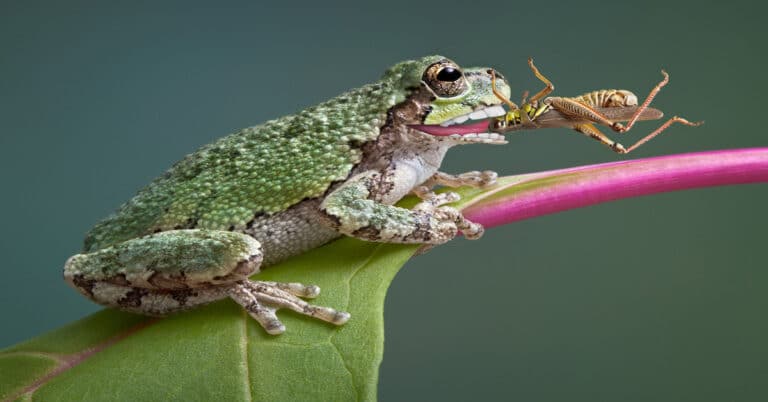
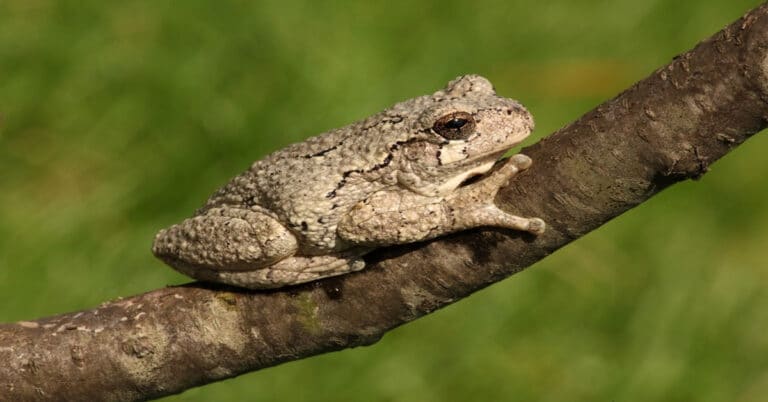
Some frogs can. Species such as the grey tree frog and White’s tree frog can become lighter or darker depending on temperature, light, humidity and their background. The change happens because special pigment cells in their skin expand or contract. It is usually slower and less dramatic than a chameleon’s colour change.
Why are most frogs green or brown?
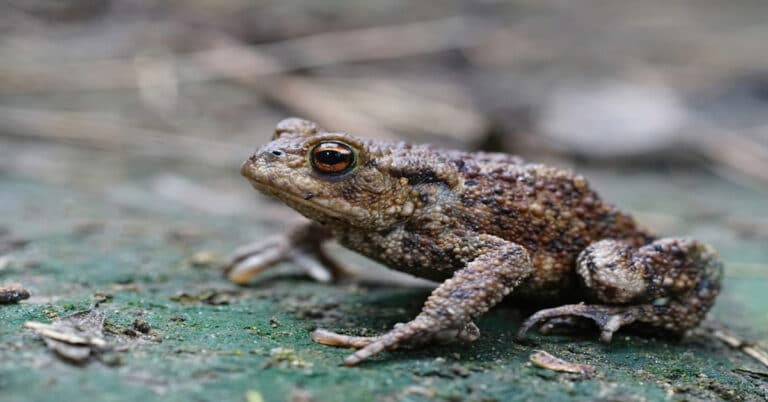
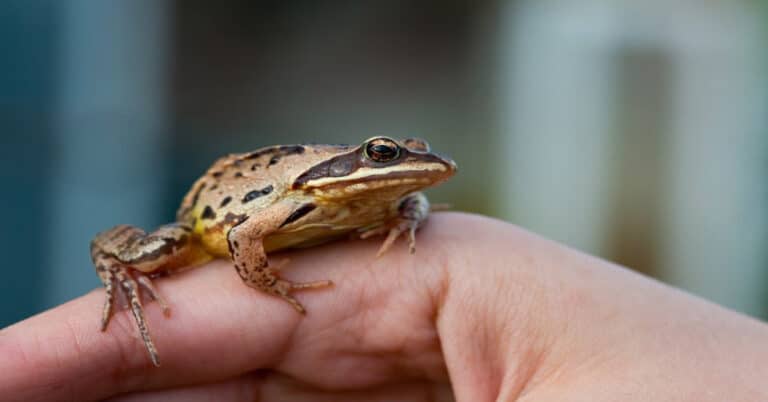
Green and brown colours help many frogs blend in with leaves, mud, water and tree bark. This camouflage makes it harder for birds, snakes and other predators to spot them, and it also helps frogs stay hidden while they wait to ambush insects.
Why does the fire-bellied toad have a bright belly?
The fire-bellied toad is mostly green or brown on top, but its belly is bright red or orange with black spots. When threatened, it arches its back and shows the bright colours, warning predators that its skin produces distasteful toxins. This display is known as the unken reflex.

Randi Jones is the owner and founder of the Nature Gift Store, an online retailer specializing in nature-themed gifts, educational science projects, live animal nature kits and real butterfly artwork. A biology graduate who fell in love with insects, she founded the company in 2001 to make active learning about nature fun, accessible and engaging for children and adults. Her store offers real butterfly frames, home and garden decor and educational live animal kits, including ant farms, worm farms, tadpoles, ladybugs and hermit crabs, and she runs a bug museum in Washington featuring live animals like Eddie the Iguana alongside other reptiles and insects. Randi wrote most of the guides on this site. They first appeared on her long-running nature sites, including Monarch-Butterfly.com, Ladybug-Life-Cycle.com, Frog-Life-Cycle.com, Dragonfly-Site.com and Butterfly Pictures, which have now been brought together here at Learn About Nature.