Dill
Scientific Classification
| Kingdom: | Plantae |
| (unranked): | Angiosperms |
| (unranked): | Eudicots |
| (unranked): | Asterids |
| Order: | Apiales |
| Family: | Apiaceae |
| Genus: | Anethum |
| Species: | A. Graveolens |
| Binomial name: | Anethum Graveolens |
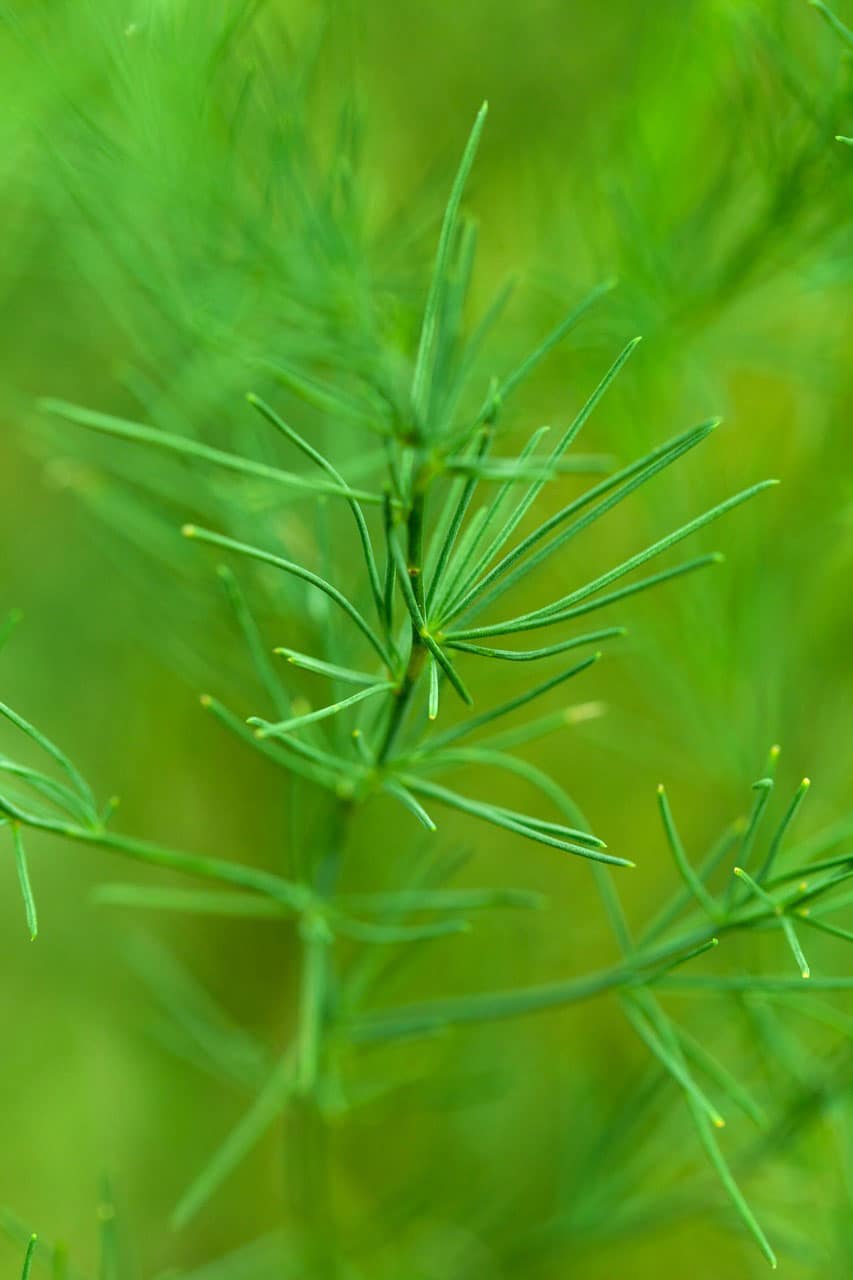
Dill (Anethum graveolens) is an annual herb in the celery family Apiaceae. It is the sole species of the genus Anethum. Its origin is still unknown but believed to be indigenous to THE Mediterranean region. It is a strong-smelling plant similar to the fennel herb. It is a perfect garden herb with branching stems and soft, fiber-like leaves. It also produces beautiful bright-yellow flowers that are cultivated for ornamental purposes. Hence it is also referred to as garden Dill.
History
Dill (Anethum graveolens) is an annual herb in the celery family Apiaceae. It is the sole species of the genus Anethum. Its origin is still unknown but believed to be indigenous to THE Mediterranean region. It is a strong-smelling plant similar to the fennel herb. It is a perfect garden herb with branching stems and soft, fiber-like leaves. It also produces beautiful bright-yellow flowers that are cultivated for ornamental purposes. Hence it is also referred as garden Dill.
Anatomy
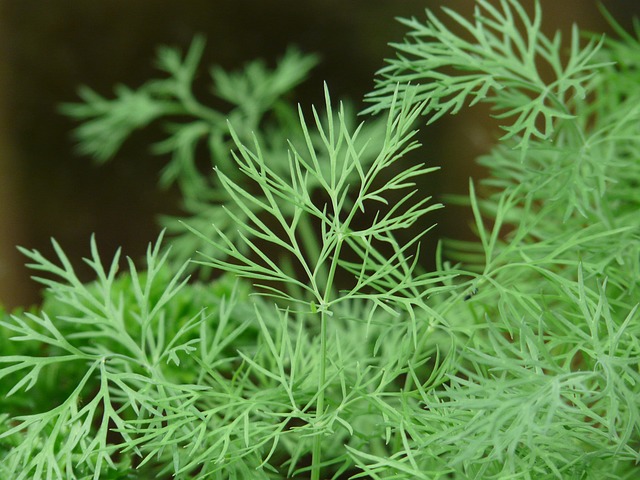
Dill has a hollow stem growing about 16 to 24 inches (40 to 60 cm). Its leaves are set alternately, delicate, soft and finely divided and about 3.9 to 7.9 inches (10 to 20 cms) long and about 1 to 2 mm broad. The flowers form in small umbels of 2 to 9 mm diameter and yellow to white in color. The seeds measure 4 to 5 mm in length and about 1 mm in width, with ridged edges and a curved configuration.
Habitat
Dill has a hollow stem growing about 16 to 24 inches (40 to 60 cm). Its leaves are set alternately, delicate, soft and finely divided and about 3.9 to 7.9 inches (10 to 20 cms) long and about 1 to 2 mm broad. The flowers form in small umbels of 2 to 9 mm diameter and yellow to white in color. The seeds measure 4 to 5 mm in length and about 1 mm in width, with ridged edges and a curved configuration.
Soil
Dill doesnt necessarily require soils with any specific pH value. Since it has a tap root, compacted soil may pose problems. It prefers a well drained soil. As it can grow on its own, you should look for spots where it can spread around. Else, ensure to harvest it before it seeds.
Watering
Periodic watering normally suffices, but frequent watering becomes necessary in case of dry spells. Regular watering is needed during the germination period till the shoots come out. Thereafter the soil should be allowed to dry between irrigations.
Planting
Dill seeds are sown nearly 1/4-inch deep, spaced out by about 18 inches, in rich soil. For optimum growth the temperature of soil should be 60 – 70ºF.
It does not grow healthy if transplanted. So, establish its seeds fresh in your garden during early summer. Ensure that the plants are sheltered against strong winds.
You should be able to see the plants in ten to fifteen days. Wait for another 10-15 days before thinning the plants to approximately 12 – 18 inches apart.
Dill should be planted next to onions or cabbage, but distanced from carrots.
Dill is ready to harvest approximately 90 days after planting. Leaves can be harvested anytime but the most preferable time is before the flowering period.
The leaves can be harvested by simply pruning them from the stem or by cutting the stem just few inches above the soil.
Seed-heads should be plucked every 2 to 3 weeks just after the blooms appear. It should be harvested before it changes color.
Watering
Early summer or late spring is ideal for planting the Devils claw. Before sowing, soak the seeds overnight in warm water to soften the seed coat. It can also be removed by rubbing with a sandpaper or scraper. Researchers opined that there is a 100% improvement in the germination process if the seeds are used by removing the seed coat. Before planting, add at least 2 to 3 inches of organic matter to the soil. For sowing the seed, either prepare a furrow of width 60cm and depth 20cm and scatter the seeds evenly over the furrow, or sow them on an even bed.. Once the seeds are sown, lightly rake the seeds and spread a thin layer of sand on them. Plant the tiny tubers 50 cm apart and 10 cm deep. If the seeds are planted very deep, it will result in weak germination.
Care
Liberally water the plant during the growing season.
When you want to get a continuous supply of fresh Dill, keep sowing seeds periodically. For the prolonged harvest, ensure that there are no flowers growing on the plant.
If the soil is left undisturbed all through the growing season, you can expect additional Dill plants to grow during the coming year.
Thin the plant whenever required so that the tall plants can find support on each other.
Do not allow the plants to crowd and allow good air circulation at the base area of the plant which will allow them to grow healthy.
Provide stalking to the taller variety plants.
Pests
Dill plant is a strong smelling herb; hence it is not much affected by any pests. Their beautiful yellow blossoms attract many useful insects like lady bugs and wasps. Though most of the pests leave the Dill plant alone, due to its pungent smell, there are certain pests that can create substantial damage if unattended, like the parsley worm, tomato-horn worm and aphids. Diseases are also seen to be affecting the Dill plants. Some of them are powdery mildew, root rot and fungus. Leaf spot are also seen affecting the leaves.
Uses
The most well known use of Dill is in making pickles. Its seeds are invariably used in pickling spice mixes. Its leaves may be used for flavoring all kinds of foods, including breads, salmon, lamb, fish and scores of vegetables, including beets, potatoes, peas and asparagus. Chewing of Dill seeds relieves you of bad breath. It is a slightly diuretic herb and is found helpful in conjunction with other herbal medicines meant for treating chronic cold, cough and flu. It may be used together with anti-spasmodic herbs such as cramp bark, utilized for menstrual pain. Dill possesses effective anti-bacterial, antispasmodic, anti-fungal, anti-cancer and carminative properties. The oil extracted from Dill also possesses medicinal qualities that can be very useful in cases of indigestion, flatulence, hyperacidity and indigestion related diarrhea. By daily using, this herbal oil can cure digestion problems as well as it prevents constipation. This oil is also used in manufacturing soaps and cosmetic products. Poultice made from Dill leaves are very effective for ulcers and blood boils. A combination of Dill oil and sesame oil can help cure swollen joints. Women use it for menstruation related problems and to increase the milk flow. It is also used as a herbal medicine for treating insomnia. It is very effective for sore throat.
Having discovered a fondness for insects while pursuing her degree in Biology, Randi Jones was quite bugged to know that people usually dismissed these little creatures as “creepy-crawlies”.