Devil’s Claw
Scientific Classification & Quick Facts
| Common name | Devil’s claw |
| Scientific name | Harpagophytum procumbens |
| Kingdom | Plantae |
| Phylum | Tracheophyta |
| Class | Magnoliopsida |
| Order | Lamiales |
| Family | Pedaliaceae |
| Genus | Harpagophytum |
| Type | Flowering plant in the sesame family |
| Habitat | Sandy soil, open woodland, dry savanna |
| Native range | Southern Africa, including the Kalahari |
| Colours | Purple, pink or red trumpet flowers |
| Edible parts | Seeds; roots used for tea |
| Special feature | Leaves turn to follow the sun |
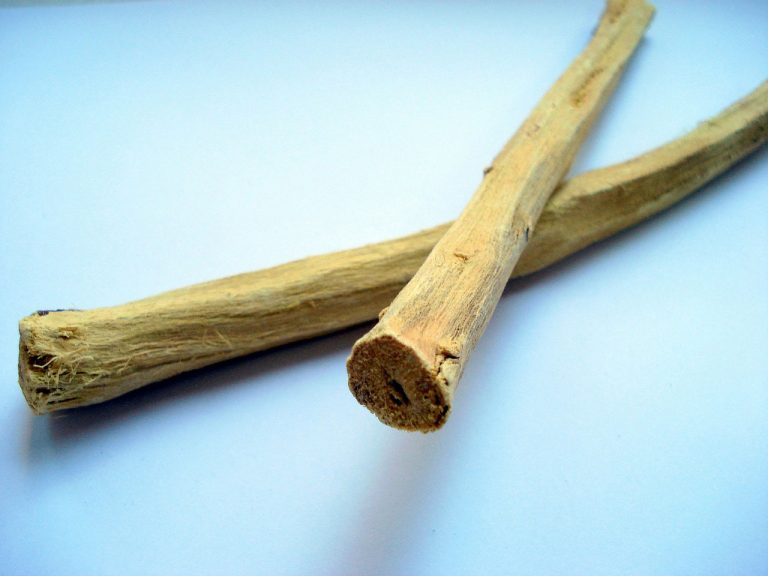
Harpagophytum, usually called devil’s claw, is also known as grapple plant and wood spider. It belongs to the sesame family (Pedaliaceae) and is native to southern Africa. It gets its name from its strange fruits, which are covered in hooked arms that look like claws. The plant has pink to purple flowers and large storage roots called tubers. These tubers have traditionally been used in African folk medicine for fever, pain and digestion.
History
People in southern Africa have long used devil’s claw in traditional medicine for problems such as fever, upset stomachs and aches and pains. In the early 1900s, a German soldier in what is now Namibia learned about the plant and helped bring it to Europe. Today it is sold in Europe and North America as an herbal remedy, especially for joint pain. Don’t confuse it with the North American plants also called devil’s claw, which belong to a different genus, Proboscidea. Native Americans in Arizona grew one of these, a white-seeded kind, and used the black fibers from its long, curved pods to weave patterns into baskets.
Anatomy
Harpagophytum procumbens is a perennial plant with long stems that spread along the ground. It grows from a main taproot that can reach as deep as 2 m, plus smaller side tubers, which are the parts used to make teas and herbal products. Its gray-green leaves turn during the day to face the sun, and its large, trumpet-shaped purple, pink or red flowers are pollinated by big bees such as carpenter bees. The young fruit is fleshy and somewhat banana-shaped, but it dries into a woody capsule up to about 15 cm (6 inches) long, covered in hooked arms. These hooks catch on the feet and fur of passing animals, which helps spread the seeds.
Habitat
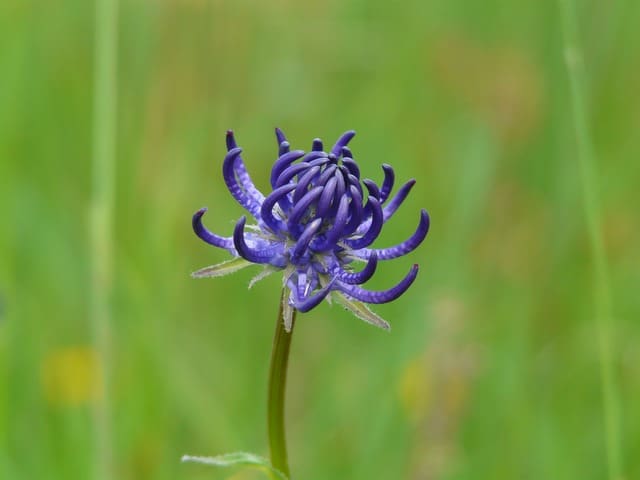
Devil’s claw grows in sandy soils in the dry savannas and open woodlands of southern Africa, often where the ground has been trampled or overgrazed. Harpagophytum procumbens is most common in the Kalahari region, including southern Botswana, eastern Namibia and the Northern Cape of South Africa. A close relative, Harpagophytum zeyheri, grows in southern Angola and northern Namibia. The North American plants called devil’s claw (genus Proboscidea) are different plants that grow in places like the Sonoran Desert of the southwestern United States and Mexico.
Soil
In order to plant the devils claw seed, the top layer of the soil is loosened with a rake and the ground is cleared of all the vegetation. In case the soil is compressed, the soil is dug out to a depth of 8cm and turned over for the purpose of loosening it for planting. Once the soil is ready for planting, take a rake and level the bed so that an even surface is obtained for sowing the seeds.
Temperature
Devils claw thrives in temperature ranging from 17 to 30°C. It grows very well in properly drained light, red color rocky soils. The plant tolerates mild frost.
Planting
Devils claw is a very difficult plant to grow. Many attempts have been carried out by experts to cultivate it, but a very small percentage had positive results. Tissue culture and cutting was also tried, but the plant could not bear the harsh conditions in the wild. Usually this plant can be harvested only once. Even the seed germination takes place in a very slow rate.
Watering
Early summer or late spring is ideal for planting the Devils claw. Before sowing, soak the seeds overnight in warm water to soften the seed coat. It can also be removed by rubbing with a sandpaper or scraper. Researchers opined that there is a 100% improvement in the germination process if the seeds are used by removing the seed coat. Before planting, add at least 2 to 3 inches of organic matter to the soil. For sowing the seed, either prepare a furrow of width 60cm and depth 20cm and scatter the seeds evenly over the furrow, or sow them on an even bed.. Once the seeds are sown, lightly rake the seeds and spread a thin layer of sand on them. Plant the tiny tubers 50 cm apart and 10 cm deep. If the seeds are planted very deep, it will result in weak germination.
Pests and Disease
Animals living on tubers are the only pests known to disturb these plants. Among them are the antelopes like Steenboks, Duiker and Porcupines. Newly seeded beds of wild flowers attract birds. Where the area is small, and the birds build their nests, and shredded palm or dried leaves are spread over the bed/ Once you see the seedlings sprout, remove the mulch. An excess of water leads to problems related to fungus. Registered fungicides are useful.
Devil’s claw FAQs
Why is it called devil’s claw?
It gets its name from the way its fruit looks, like a devil’s claws. It is also known as wood spider and grapple plant.
Where does devil’s claw grow?
Devil’s claw (Harpagophytum procumbens) grows in southern Africa, including Botswana, Namibia and the Kalahari. It likes sandy soil and dry, open land.
What do devil’s claw flowers look like?
The flowers are big, trumpet-shaped and purple, pink or red. Large bees such as carpenter bees and bumblebees pollinate them.
Is devil’s claw easy to grow?
No, it is very difficult to grow. The seeds germinate slowly, and many attempts to farm it have failed.
What animals eat devil’s claw?
Antelopes such as steenbok and duiker, and porcupines, dig up and eat the tubers.

Randi Jones is the owner and founder of the Nature Gift Store, an online retailer specializing in nature-themed gifts, educational science projects, live animal nature kits and real butterfly artwork. A biology graduate who fell in love with insects, she founded the company in 2001 to make active learning about nature fun, accessible and engaging for children and adults. Her store offers real butterfly frames, home and garden decor and educational live animal kits, including ant farms, worm farms, tadpoles, ladybugs and hermit crabs, and she runs a bug museum in Washington featuring live animals like Eddie the Iguana alongside other reptiles and insects.