Basil
Scientific Classification
| Kingdom: | Plantae |
| (unranked): | Angiosperms |
| Order: | Lamiales |
| Family: | Lamiaceae |
| Genus: | Ocimum |
| Species: | O. basilicum |
| Binomial name: | Ocimum basilicum |
Basil, Sweet Basil, or Thai Basil is the general name given to the culinary herb Ocimum basililicum. They belong to the group Lamiaceae (mints), In countries where the mother tongue is English they at times call them” St. Joseph’s wort.”
Anatomy
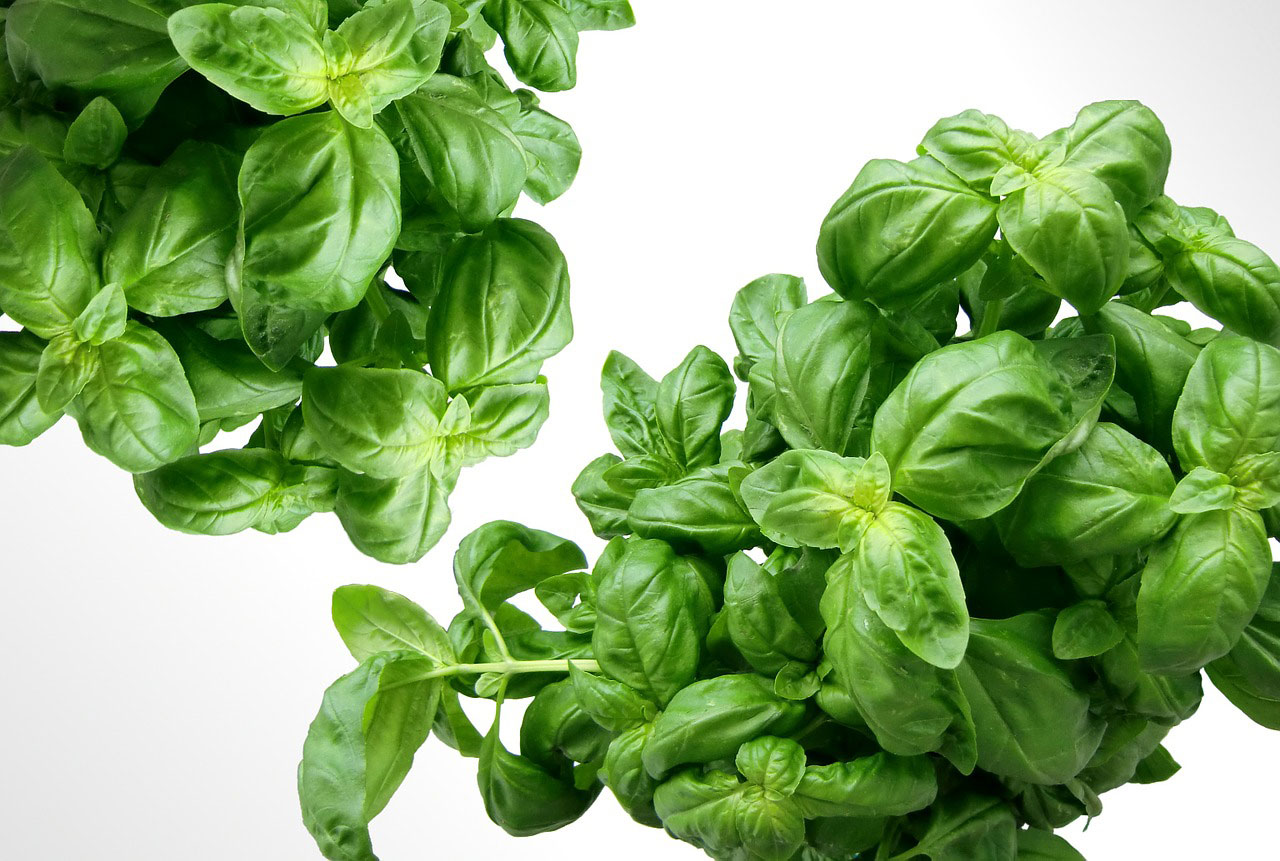
Sweet basil is a yearly flowering bush, it grows to a height of one to two feet, and have glossy opposite leaves for foliage. Its flowers are white and spiky. We use the basil leaves for cooking, it gives out its anise (licorice) aroma to the dishes.
Habitat
India has cultivated Basil for over 5,000 years; its original habitat is India.
How to Grow Basil at Home
Soil for Planting
Basil is a local Mediterranean herbaceous plant; it prefers full sunlight (i.e. about 8 hours, according to the availability). Use a properly drained and damp soil enriched with organic material, old manure and/or compost. Be certain your external location receives total sunlight in the day (around 6 to 8 hours).
Planting
When the ground is warm after frost, plant your seeds in your garden, begin your indoor planting in separate pots or purchase bedding plants. In case you begin planting the seeds indoors, use a heating cable to assist in warming up the soil, because these are tropical plants and do not yield in the cold.
Watering
Do not water your basil seedlings in excess; they are likely to get affected with “damping off” disease.
Temperature and Humidity
The Basil plant loves heat. Do not worry about temperature when planting your basil seeds provided you maintain the temperature to 70°F at day and 50°F at night. 3-4 weeks before the end of spring (frost date), begin planting your seeds indoors. Different from other Mediterranean herbs, basil prefers a soil that is rich and not dry.
Care
Give your basil enough of water. Once your soil is warm, mulch it to preserve moisture.
Pests and Pesticides
Basil is prone to a variety of fungal diseases, such as black spot, Fusarium wilt, and gray mold and the damping-off disease affects seedlings. It is possible to get over these diseases by avoiding congesting the plant and not rushing to plant outside till the soil is warm. Hand pick the Japanese beetle pests, and prevent your plants from becoming a skeleton.
Harvest Month and Storage
When the leaves are large enough for usage, start consuming them. Gather the leaves from the branch tips cutting them many inches. Carefully handle the basils; if not the foliage gets discolored and darkened.
Dry your basil leaves in the air, in separated bunches. However, freezing them helps to keep the flavor. In order to freeze the basil, prepare the washed leaves into a puree in a food processor or blender; make the puree thick but flowing, by gradually adding water. Freeze the content in ice-cube trays, remove them from the tray pack them in labeled freezer bags for later use in soups, sauces and pesto. (Pesto is a creamy mixture of grated cheese, purred basil, garlic and olive oil). Putting a layer of olive oil on its top helps retain its freshness in the refrigerator for a pretty long period.
Varieties
Ocimum basilicum, occurs in several varieties and many connected varieties or hybrid species named basil. Italian foods use the typical variety known as sweet basil. Asians use Thai basil (O. basilicum var. thyrsiflora), holy basil (Ocimum tenuiflorum) and lemon basil. Generally,basil is a yearly flowering plant, because a few are perennials.In the tropics, where the climate is warm, this includes a cultivar and holy basil called ‘African Blue’.
Having discovered a fondness for insects while pursuing her degree in Biology, Randi Jones was quite bugged to know that people usually dismissed these little creatures as “creepy-crawlies”.