Summer Flowers: Morning Glory
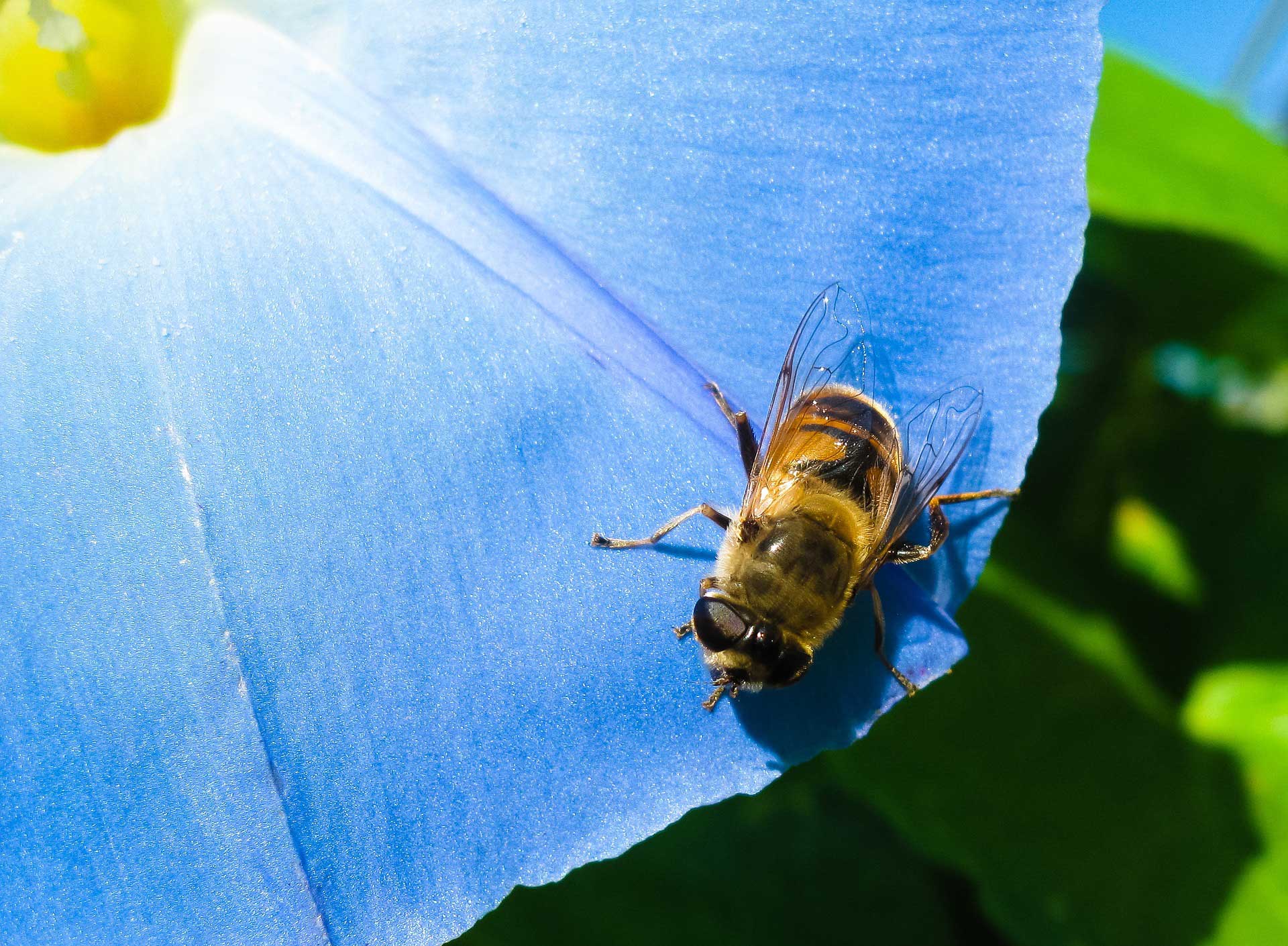
Morning glory is the common name for more than 1,000 species of flowering plants in the bindweed family, Convolvulaceae. The garden favorites are fast-growing climbing vines with heart-shaped leaves and trumpet-shaped flowers that open in the morning and close by afternoon, which is how the plant got its name.
Scientific Classification & Quick Facts
| Common name | Morning glory |
| Scientific name | Ipomoea |
| Kingdom | Plantae |
| Phylum | Tracheophyta |
| Class | Magnoliopsida |
| Order | Solanales |
| Family | Convolvulaceae |
| Type | Annual climbing vines |
| Habitat | Full sun, well-drained soil |
| Colours | Purple-blue, white, pink and magenta |
| Flowering season | June to August |
| Special feature | Trumpet flowers and heart-shaped leaves |
What Morning Glories Look Like
Most garden morning glories belong to the genus Ipomoea. Popular kinds include the common morning glory (Ipomoea purpurea), the sky-blue ‘Heavenly Blue’ (Ipomoea tricolor) and the Japanese morning glory (Ipomoea nil). In most gardens they are grown as annuals, living for one summer, although some are perennials in warm climates.
Morning glories climb by twining. Instead of using tendrils, their thin stems wrap themselves around anything they touch: strings, fences, poles and even other plants. A vine can easily grow 3 meters (10 feet) or more in a single summer.
The flowers are shaped like funnels or trumpets and come in blue, purple, pink, magenta, red and white, often with a pale or starry center. Before opening, each bud is twisted into a neat spiral, like a furled umbrella. Each flower usually lasts just one day, but the vine produces new ones every morning for weeks.
Morning glories have some famous relatives. The sweet potato is a morning glory, and the moonflower is a close cousin that does the opposite: it opens its big white flowers at night. In Japan, the morning glory is called asagao, and gardeners there have been breeding fancy varieties for hundreds of years.
Growing Morning Glories at Home
Morning glories are one of the easiest flowers to grow from seed, which makes them perfect for young gardeners.
Preparing to Plant
Morning glories are not fussy about soil and grow well even in poor soil. In fact, very rich soil or too much fertilizer gives you lots of leaves and fewer flowers. A well-drained soil that is neutral or slightly alkaline is ideal. Keep the soil damp but not soggy when you plant.
Before planting, decide what your vines will climb. A trellis, chain-link fence, arch or set of strings works well. Morning glories grow thick and tall, so many people use them as a living screen for privacy or summer shade.
Planting Seeds

Morning glory seeds have a hard coat. To help them sprout faster, soak them in water overnight or gently nick the seed coat with a nail file. Sow them outdoors after the last frost, once the soil has warmed, about 1 cm (1/2 inch) deep and 20 to 30 cm (8 to 12 inches) apart. You can also start them in pots indoors a few weeks earlier, but handle the roots gently when moving them.
Choose a spot with full sun, at least six hours a day. Morning glories can also be grown in pots with a trellis.
Placement and Watering
If there is no rain, water morning glories about once a week, and twice a week during hot, dry spells. Water deeply, then let the top of the soil dry a little. Avoid waterlogged soil. Once the plants are growing well, they do not need much feeding.
As the vines grow, guide them toward their support by gently twisting the stems around it. If you are growing them against a wall, put up a net or a few strings and they will soon climb on their own.
After Bloom Care
Morning glories usually bloom from early or midsummer until the first frost. When flowers fade, they form small round seed pods. Let some pods dry on the vine, then collect them, take out the seeds and store them in a dry, sealed container for next year.
If you leave the pods on the plant, the seeds will drop and sprout on their own the next spring, sometimes in places you did not want them. In some regions, morning glories spread so easily that they become weeds, so check local advice before planting.
Because most garden morning glories are annuals, you do not need to prune them in winter. Pinch the tips of young vines to make them bushier, and pull out the dead vines after frost.
A Safety Note
Morning glory seeds are poisonous if eaten. Keep seed packets and seed pods away from small children and pets, and wash your hands after handling the seeds.
Morning glory FAQs
What does a morning glory look like?
A morning glory is a climbing vine with slender stems, heart-shaped leaves and trumpet-shaped flowers in purple-blue, white, pink or magenta.
When do morning glories bloom?
They bloom from June to August.
Do morning glories need support?
Yes. They climb by twisting around a trellis, chain-link fence or strings, and grow thick and tall. People use them for a privacy screen or shade.
How do you get morning glory seeds to sprout faster?
Nick the hard outer coat of the seeds or soak them in water first. This helps them absorb water and sprout quickly.
How often should you water morning glories?
Water them once a week if there is no rain, and twice a week when it is hot and dry. Do not overwater.

Randi Jones is the owner and founder of the Nature Gift Store, an online retailer specializing in nature-themed gifts, educational science projects, live animal nature kits and real butterfly artwork. A biology graduate who fell in love with insects, she founded the company in 2001 to make active learning about nature fun, accessible and engaging for children and adults. Her store offers real butterfly frames, home and garden decor and educational live animal kits, including ant farms, worm farms, tadpoles, ladybugs and hermit crabs, and she runs a bug museum in Washington featuring live animals like Eddie the Iguana alongside other reptiles and insects.