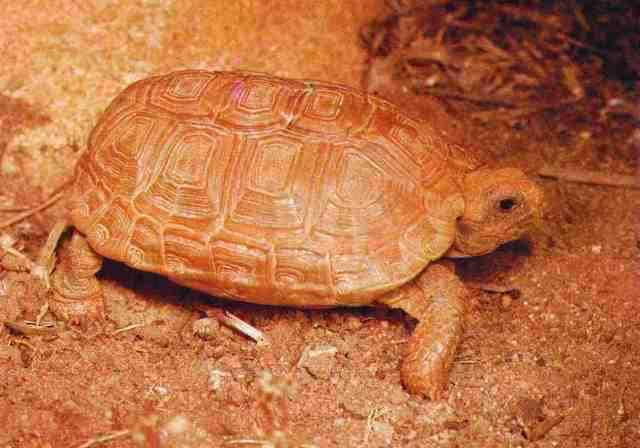
A Worldwide Effort to Rescue African Tortoise
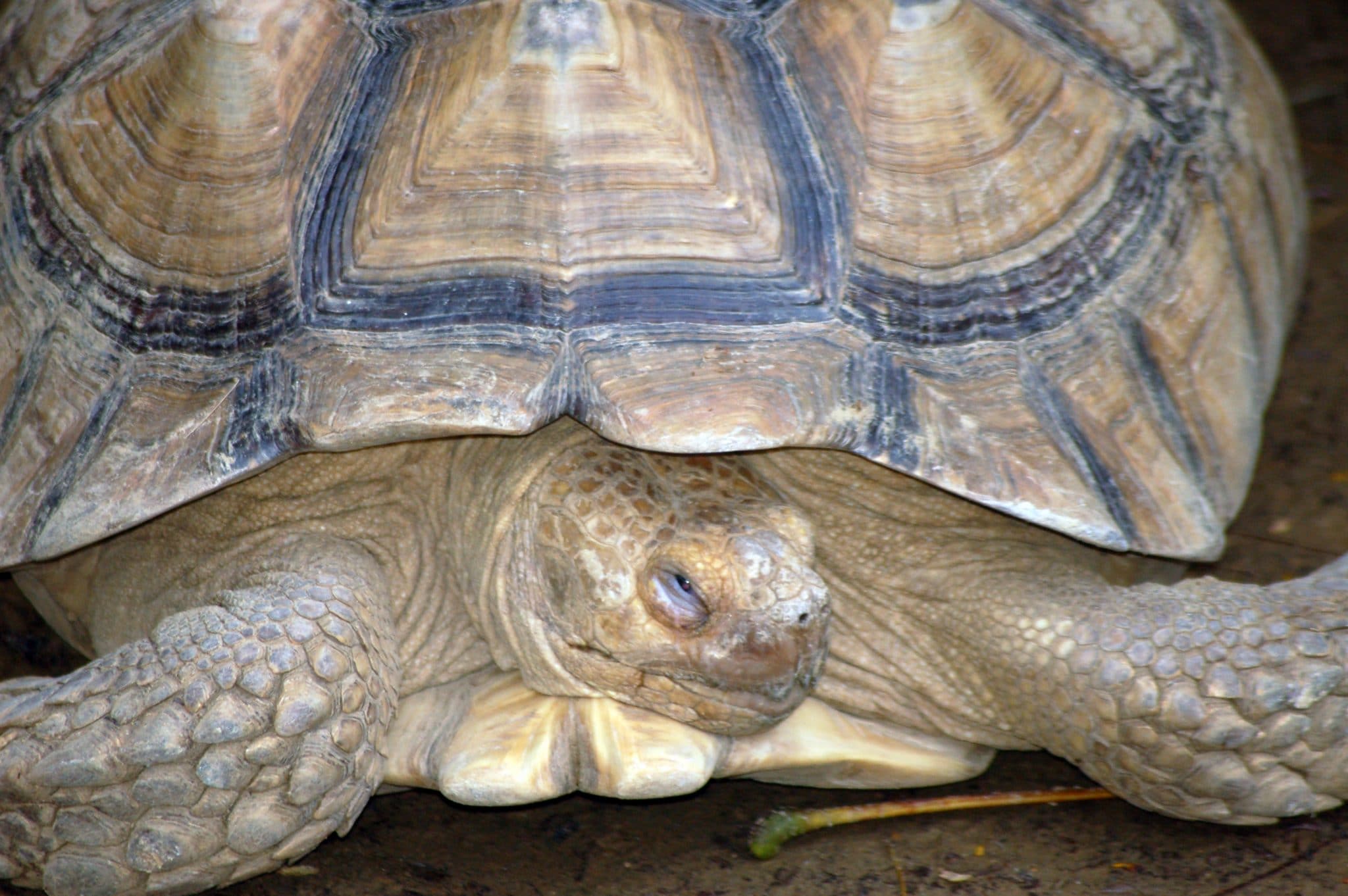
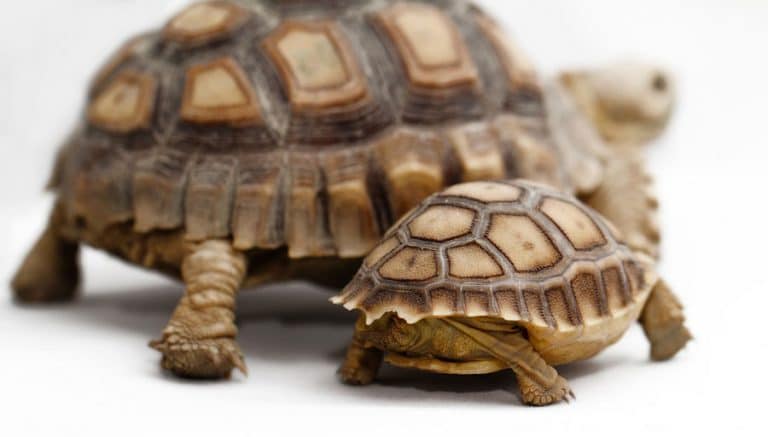
Part of being a responsible pet owner is to know every aspect of the animal that one is eyeing to take care of. After deciding that you will bring an African Tortoise, which is also known as the Sulcata Tortoise, there are things that you need to know about the breed that will make your pet’s life more comfortable.
African spurred tortoise Quick Facts
| Common name | African spurred tortoise |
| Scientific name | Centrochelys sulcata |
| Kingdom | Animalia |
| Phylum | Chordata |
| Class | Testudines |
| Family | Testudinidae |
| Genus | Centrochelys |
| Conservation status | Endangered |
| Type | Reptile (tortoise) |
| Habitat | Hot coasts and deserts, from the Red Sea to the Sahara |
| Native range | Northern Africa |
| Special feature | Copes well with a wide range of habitats |
These animals are quickly disappearing from their existing habitats and worldwide efforts persist in saving them. A good pet owner must study in detail all the aspects that affect the good maintenance of the pet. If you have decided to bring one in, you would do well to learn all about the breed that you can, so that you can make its life as comfortable as possible.
Some of the animals said to have a close relationship to the Sulcata are:
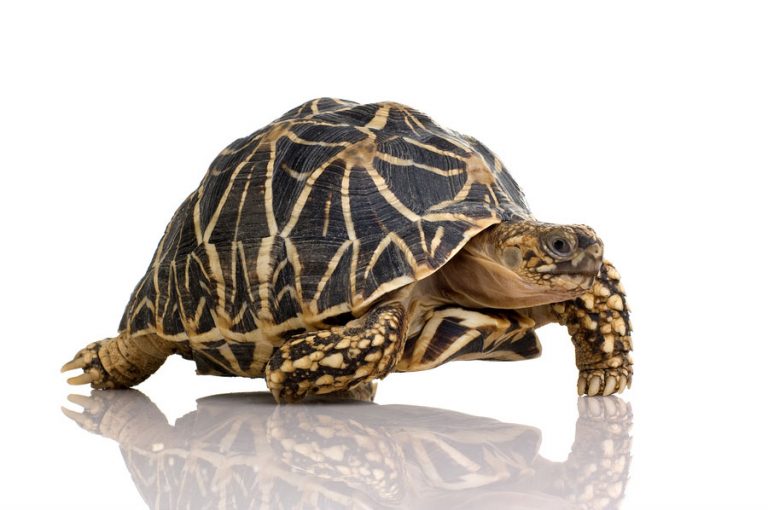
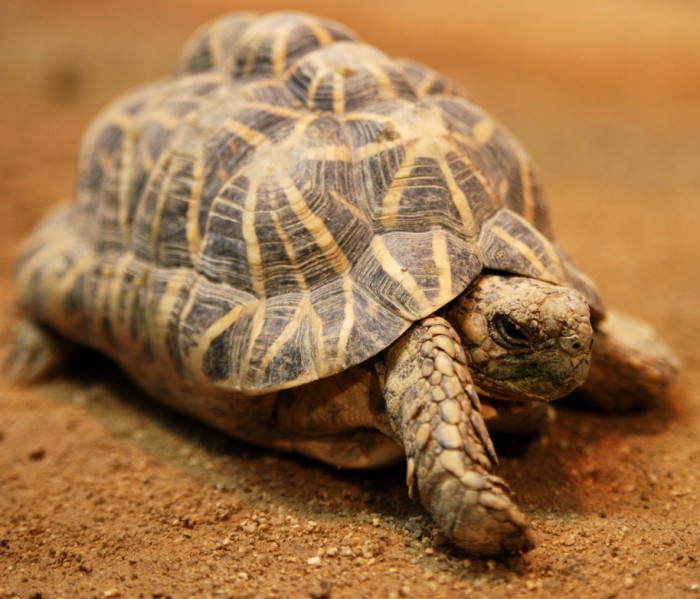
Geochelone Elegans
A tortoise family living in south of India
Testudo Graeca
Has four toes and large body with color variations, next only to the Mediterranean variety
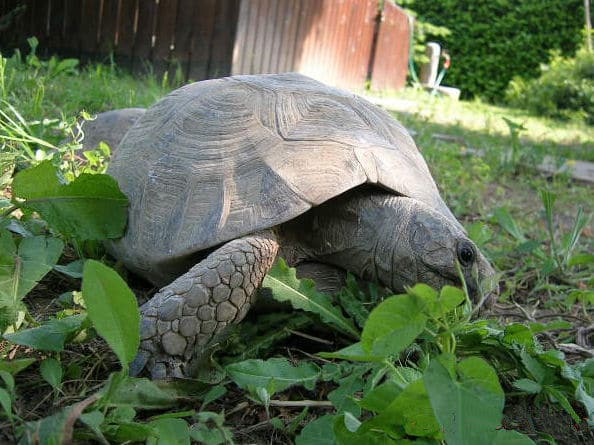
Russian Horsefiel
Considered entry level species in Japan and the USA, largest Mediterranean population
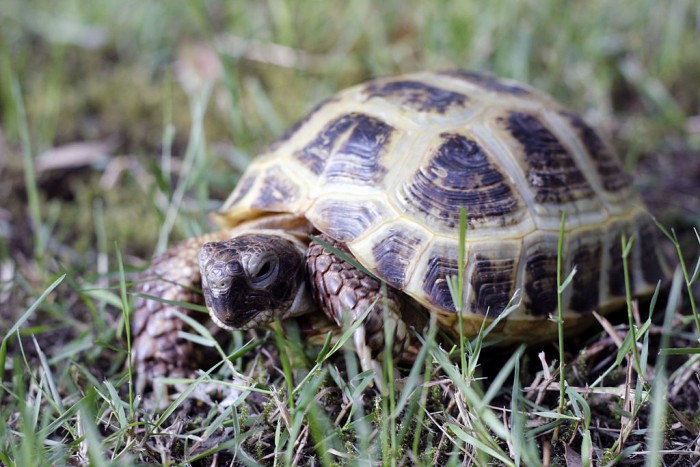
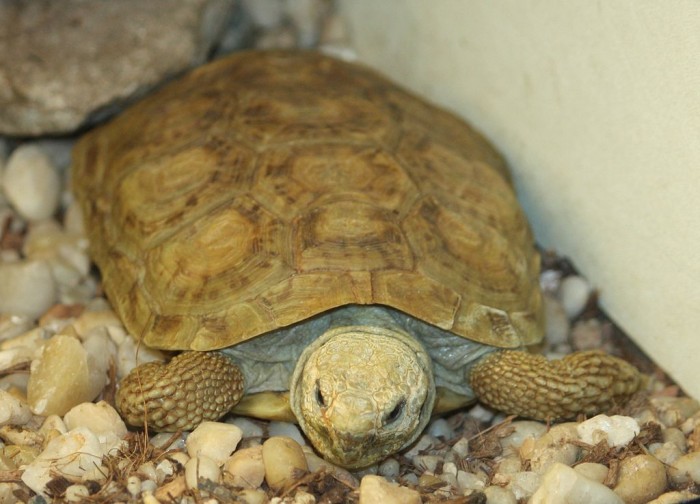
Pancake
Very flat and beautifully patterned shell
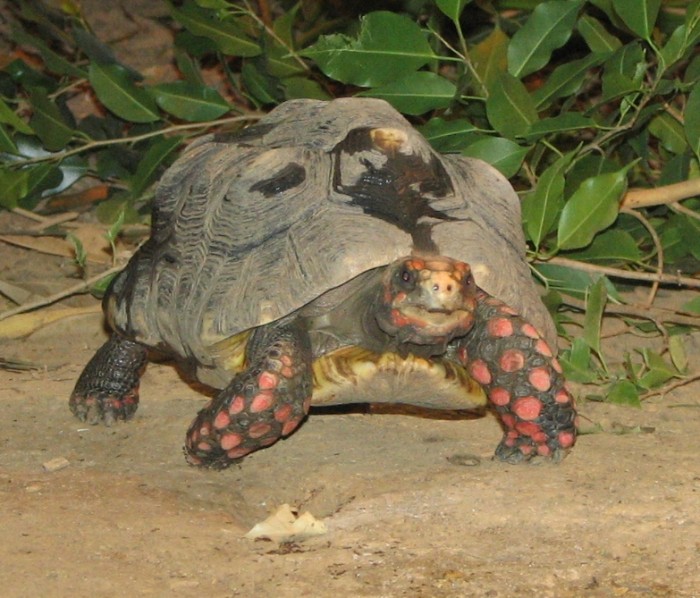
Red Footed
Easy to breed and good for beginners
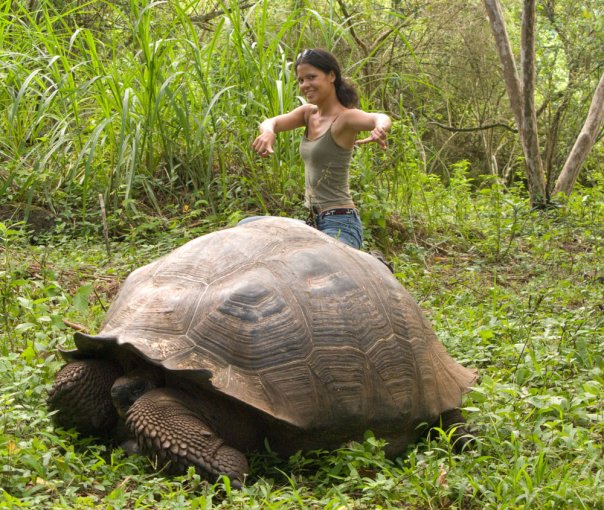
Galapagos
Endemic only to the Galapagos Islands and the largest in the world
Origin of the African Tortoises
Most Northern regions of Africa are home to the African Tortoises. They are not very fussy on their habitat, and survive equally from the scorching coasts of the Red Sea to the Desserts of the Sahara. They have a wide resistance to habitat adjustment.
Ecological distribution Today
Consistent poaching of the species from their natural habitat in the hundreds is leading to an ecological imbalance despite of the best efforts of wildlife conservation agencies. In today’s scenario, your best bet to buy, especially newly hatched, would be in one of the pet shops across the United States.
Worldwide Mission
The concerted efforts of the different wildlife organizations from all parts of the world are making great strides in ensure that the balance of population remains steady and that they are not pushed closer to extinction by poaching and other illegal trade.
African spurred tortoise FAQs
Where do African spurred (sulcata) tortoises come from?
They come from the northern parts of Africa. They live everywhere from the hot coasts of the Red Sea to the Sahara desert.
Is the African tortoise the same as the sulcata tortoise?
Yes, the article uses African tortoise and Sulcata tortoise for the same animal.
Why are African tortoises disappearing from the wild?
Poaching and illegal trade take large numbers of them from their natural homes. Wildlife groups around the world are working to keep their numbers steady.
Can African tortoises cope with tough habitats?
Yes. They are not fussy about where they live and can handle changes in their habitat, from scorching coasts to desert.

Randi Jones is the owner and founder of the Nature Gift Store, an online retailer specializing in nature-themed gifts, educational science projects, live animal nature kits and real butterfly artwork. A biology graduate who fell in love with insects, she founded the company in 2001 to make active learning about nature fun, accessible and engaging for children and adults. Her store offers real butterfly frames, home and garden decor and educational live animal kits, including ant farms, worm farms, tadpoles, ladybugs and hermit crabs, and she runs a bug museum in Washington featuring live animals like Eddie the Iguana alongside other reptiles and insects.