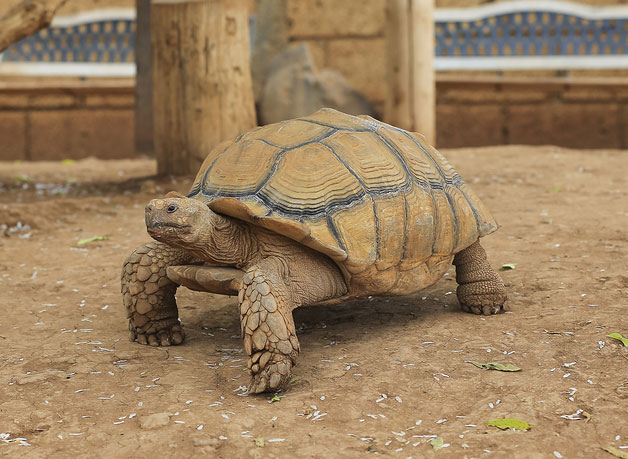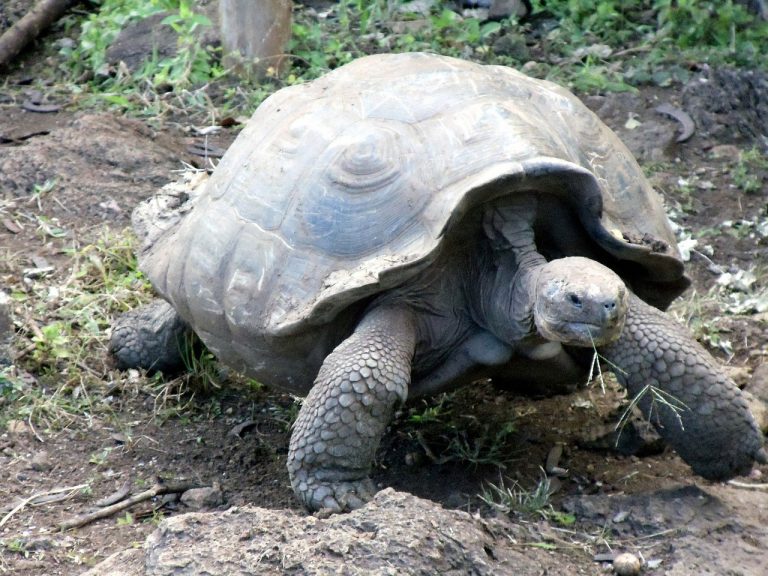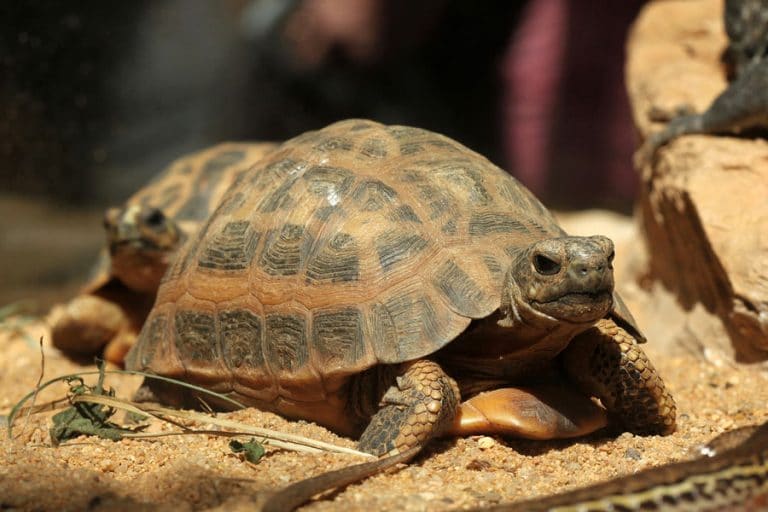
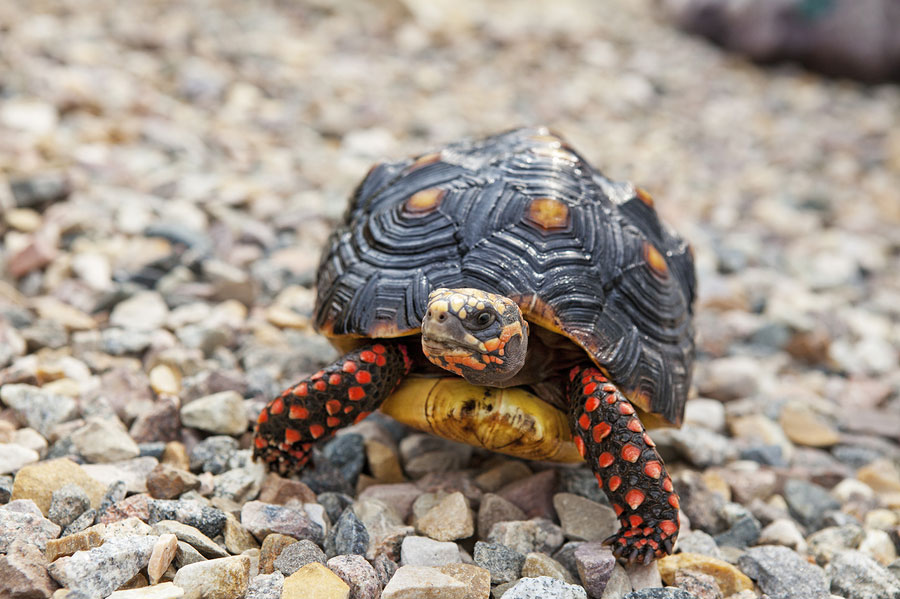
Red Footed Tortoise: Must-Know Facts
The Red footed tortoise has turned out to be a well-liked pet in current years. If you’re contemplating buying one, you’ll have to get as much info as you possibly can about these types of animals before you do. Exactly where you maintain them and just how you feed these will figure out how long they reside.
This specific tortoise grows fastest inside a warm, moist atmosphere. In the event you do not reside inside a climate exactly where it stays fairly moist and about 75 to 80 degrees, you need to most likely attempt to discover a kind of tortoise that’s much more suited for your climate. Because you will find many kinds to select from, this should not be an issue at all.
These animals will grow to 12 to 14 inches tall as adults and can consequently require a sizable outside enclosure as soon as they reach 2 years of age. Make sure that there’s absolutely nothing within their enclosure that may harm them, such as numerous chemical substances, animals, as well as unsafe plants. It’s important that he can access a shallow water tank to dip in, and a lot of areas to hide. You’ll also have to offer a tortoise home, which may be totally enclosed for night time and rainfalls.
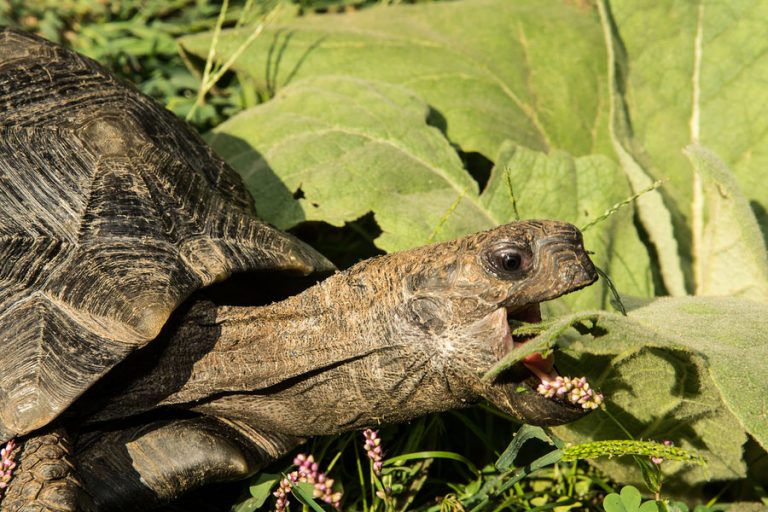
A few of the plants that this Red Footed tortoise eats within the wild, which you need to attempt to plant inside your pet’s fencing are yarrow, flowering maples, aloe, tall oat grass, cow parsley, peppers, cucumber, thistle, orchard grass, Bermuda grass, hibiscus, wild carrot, hollyhock, prickly pear cactus, dandelion, and clover. It is essential for the creature to possess a wide number of plants, just like he would in the wild.
Even though there are lots of industrial tortoise pellets accessible, it’s very best to give them an all-natural diet plan simply because pellets are produced to cover all diets. There will probably be deficiencies with your specific breed. Along with plants, these types of animal may also prey on insects once they encounter them, so do not be surprised in the event you see your pet capturing bugs.
Personality-wise, these types of tortoises are usually friendly as well as curious, and have a tendency to become peaceful. As lengthy as they’re comfortable with you and really feel secure in their atmosphere, they’ll be tension free and could effortlessly reside for half a century, or much more. This species is pretty simple to care for, and can make an excellent pet for any ready newbie, or perhaps the skilled owner.
Having discovered a fondness for insects while pursuing her degree in Biology, Randi Jones was quite bugged to know that people usually dismissed these little creatures as “creepy-crawlies”.